Ethiopia’s Safe Houses: How Women Rebuild Their Lives After War and Trauma
Surviving the Unthinkable: The Harsh Reality for Women in Ethiopia’s Civil War
Imagine waking up to the sound of gunfire, your village under attack. Your husband is missing, your children are hungry, and the little food you had is gone. As you flee for safety, you’re targeted, violated, and left with nothing—no trust, no strength, no hope. This is the devastating reality for countless women and children who find refuge in safe houses supported by organizations like Women for Women International (WfWI) through their Conflict Response Fund.
Why Safe Houses Are a Beacon of Hope in Ethiopia’s Crisis
Since 2022, Ethiopia has been torn apart by civil war, with the northern region of Tigray at the heart of the conflict. Government airstrikes, rebel resistance, and a suffocating blockade have severed access to food, medicine, electricity, and communication for millions. The United Nations reports a staggering increase in abductions, human trafficking, and sexual violence against women and girls escaping the chaos. Amid this turmoil, safe houses have emerged as vital sanctuaries for survivors.
More Than Just Shelter: The Holistic Support of Safe Houses
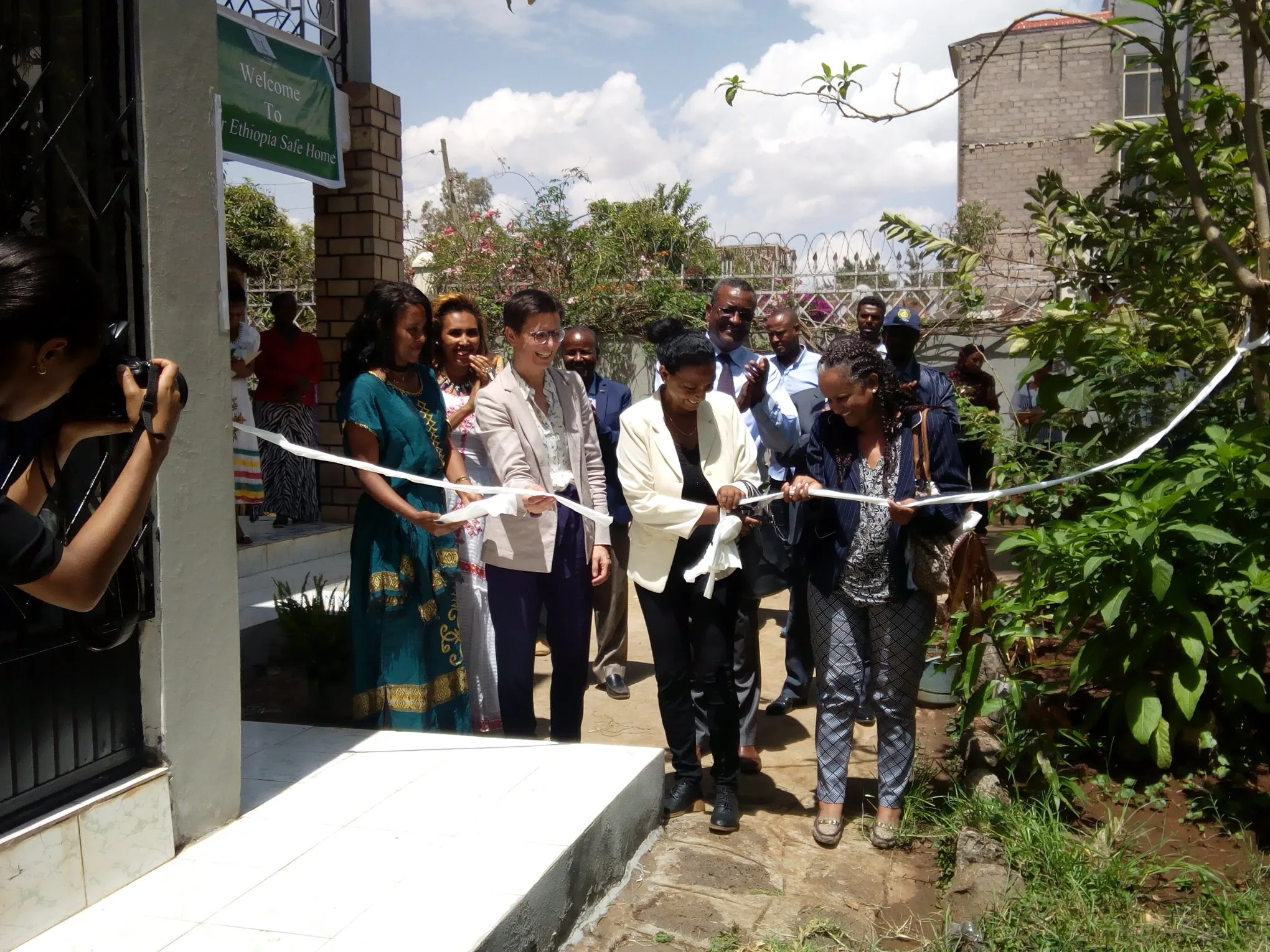
These safe houses, backed by WfWI’s Conflict Response Fund, offer far more than a place to stay. In cities like Mekelle and Adigrat, WfWI collaborates with Mums for Mums to provide shelter, counseling, and comprehensive one-stop centers for women and their families. But the support extends even further. In Bahir Dar, the Agar Ethiopia Charitable Society operates a safe house where 105 survivors—women and children alike—received care between June and August 2022. Here, they are given three meals a day, medical assessments, and psychological support, including referrals to local hospitals for specialized treatment.
Healing isn’t limited to therapy. Survivors engage in creative activities like arts, handcrafts, and indoor games to help them process their trauma and begin their journey to recovery. Mahlet Tadele, Monitoring & Evaluation Officer at Agar Ethiopia, shares: “We’ve witnessed women rise above their emotional wounds, confront their fears, and rediscover confidence in themselves and their place in the world.”
Empowering Women to Take Back Control of Their Lives
What makes these safe houses unique is their commitment to long-term recovery. In Dessie, the Association for Women’s Sanctuary and Development (AWSAD) provides not only shelter, food, and clothing but also modern psychological services tailored to each survivor’s needs. Women can access literacy training, self-defense classes, and legal support to seek justice for the crimes committed against them.
Children are also a top priority. Many have witnessed horrific violence, leaving them with deep emotional scars. Lense Kassahun, AWSAD’s program coordinator, explains: “Children who’ve seen their mothers or sisters raped often display hypersexuality, fear, or aggression. We use play therapy for younger kids and counseling for teens to help them work through their experiences.” Family tracing and reunification services also help survivors reconnect with lost loved ones, a critical step in their healing journey.
Building a Future Beyond Survival
These safe houses don’t just offer immediate relief—they equip women with the skills to rebuild their lives. In Dessie, survivors can train in food preparation with a local chef. In Bahir Dar, vocational programs include barbering, hairdressing, and beauty services. These skills don’t just provide financial independence; they restore dignity and self-worth.
Community engagement is another cornerstone of this effort. Conferences and discussions with police, legal authorities, and local leaders raise awareness about gender-based violence (GBV) and how to prevent it. Survivors learn their rights, how to report abuse, and—most importantly—that they are not alone in their struggle.
A Message of Hope Amidst the Darkness
Even in the midst of war, these safe houses prove that healing is possible. Women who once felt broken are learning to trust again, to hope again, and to envision a future where they and their families can thrive. As peace talks continue, the work of these organizations serves as a powerful reminder: recovery isn’t just about ending conflict—it’s about rebuilding lives, one survivor at a time.
For more information on gender-based violence and global efforts to combat it, visit the UN Women website.