The Power of Positivity: How Optimism Boosts Your Health & Happiness
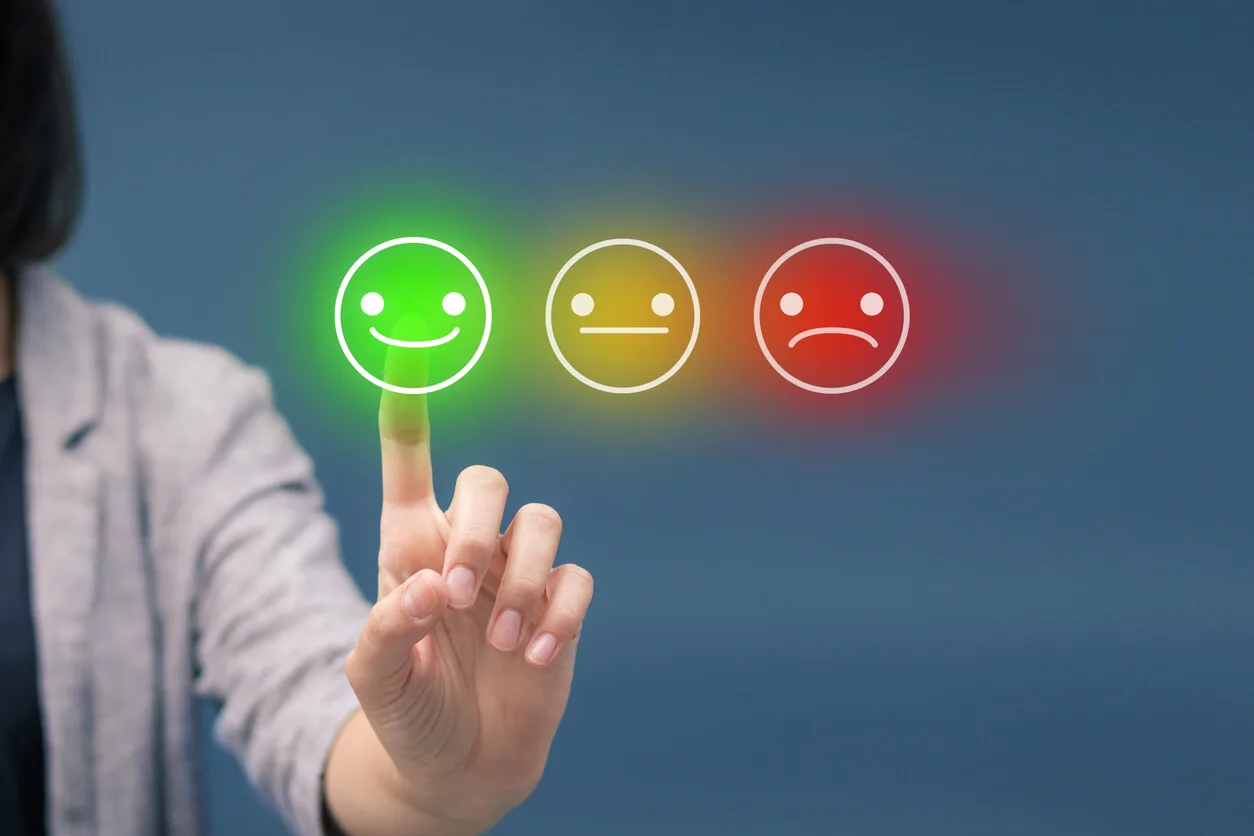
Is Your Glass Half Full or Half Empty? The Choice Is Yours
We’ve all heard the classic question: Is the glass half full or half empty? But here’s the real question: Which one are you? Are you the type who sees opportunity in every challenge, or do you brace for the worst at every turn? As a sociologist, I’ve spent years studying how our mindset shapes our emotions, relationships, and even our physical health. And the truth is, the way we perceive the world doesn’t just influence our mood—it can literally change our lives.
For decades, psychologists and sociologists debated whether our outlook was shaped by internal forces (like past trauma) or external factors (like upbringing or environment). But in the 1960s, a groundbreaking shift occurred: experts began to recognize that we have the power to choose our own perspective. That’s right—optimism isn’t just something you’re born with. It’s a skill you can cultivate, and it might just be the key to better health, stronger relationships, and a longer, happier life.
Optimism vs. Pessimism: How Your Mindset Shapes Your Reality
In his book Learned Optimism: How to Change Your Mind and Your Life, psychologist Martin Seligman reveals a stunning truth: our outlook on life has as much impact on our health as physical factors like diet and exercise. The difference between optimists and pessimists often comes down to how we interpret setbacks. Do we see them as temporary hurdles or permanent roadblocks?
Seligman’s research introduces the concept of learned helplessness—the belief that we’re powerless to change our circumstances. Here’s how it plays out:
- Optimists view bad events as temporary, isolated, and surmountable. They ask: What can I learn from this? or How can I make this better?
- Pessimists see the same events as permanent, pervasive, and uncontrollable. They think: This always happens to me or Nothing ever goes right.
This difference isn’t just philosophical—it’s physiological. Studies show that optimists tend to have lower stress levels, stronger immune systems, and even longer lifespans. Meanwhile, chronic pessimism is linked to higher rates of depression, anxiety, and stress-related illnesses like high blood pressure and heart disease.
When Opposites Attract: My Life as an Optimist Married to a Pessimist
I’ll admit it: I’m a die-hard optimist. My husband? A card-carrying pessimist. (Yes, opposites really do attract.) I’ve always believed in finding the silver lining, even in the darkest clouds. That doesn’t mean I ignore problems—I face them head-on. But I choose to focus on solutions, not setbacks. My husband, on the other hand, has spent his career in a field where his job is to spot mistakes before they cost the company money. He’s conditioned to see what’s wrong in every situation.
Needless to say, our perspectives have led to some… lively discussions. I’ll see the good in a person or situation, while he’ll point out the risks I’m overlooking. And more often than not? He’s right. (Which, as any optimist will tell you, is incredibly frustrating.)
Here’s a real-life example: We were stopped at a red light when a car with a barely hanging-on bumper pulled up across from us. My husband muttered something about the driver’s recklessness. I, ever the optimist, suggested, “Maybe the bumper just fell off while he was driving, and he’s on his way to get it fixed.” My husband’s response? “Sometimes your positivity just pisses me off!”
But here’s the kicker: His frustration raised his stress levels, spiked his blood pressure, and left him feeling agitated—all over a situation that had nothing to do with him. Me? I didn’t bat an eye. Our perspectives didn’t just shape our reactions—they shaped our physical and emotional states.
How Your Outlook Affects Your Health (Backed by Science)
It’s not just anecdotal. Research consistently shows that our mindset has a direct impact on our well-being. Here’s how optimism and pessimism stack up:
Optimists Tend to Experience:
- Better physical and mental health – Optimists report fewer aches, pains, and chronic illnesses, as well as lower rates of depression and anxiety.
- Less stress – They bounce back from challenges faster and experience lower cortisol (the stress hormone) levels.
- More confidence – A positive outlook fosters self-efficacy—the belief that you can handle whatever life throws at you.
- Deeper relationships – People are drawn to optimists. Their positivity is contagious, leading to stronger social connections.
- Lower blood pressure – Chronic stress is a major contributor to hypertension, and optimists simply don’t stress as much.
Pessimists Tend to Experience:
- More stress – Constantly expecting the worst keeps the body in a heightened state of alert, leading to chronic stress.
- Higher rates of depression – A negative outlook can spiral into feelings of hopelessness and despair.
- Fewer (or shallower) relationships – Pessimism can push people away, leading to isolation.
- More physical ailments – Stress-related issues like headaches, stomach problems, and high blood pressure are more common.
- Less social engagement – Pessimists often withdraw, missing out on the support and joy that come from community.
As the great playwright George Bernard Shaw once said, “The optimist invents the airplane; the pessimist, the parachute.” So, which are you? Do you trust the plane to fly, or are you already strapping on your parachute?
The Bottom Line: You Hold the Power
Here’s the good news: Optimism isn’t a fixed trait—it’s a choice. You don’t have to be a natural-born Pollyanna to reap the benefits. Small shifts in your thinking can lead to big changes in your health, happiness, and relationships.
Start by asking yourself: What lens am I using to see the world? If it’s a negative one, try flipping the script. Instead of “This always happens to me,” ask “What can I learn from this?” Instead of “Nothing ever goes right,” try “What’s one thing that went well today?”
Remember, your perspective isn’t just shaping your day—it’s shaping your life. And the best part? You get to choose which lens you look through. So, which will it be: the plane or the parachute?
Dr. Bethany Johnson is a professor of sociology with over 20 years of experience in education and social services. She holds a B.S. and Master’s in Sociology, as well as an Ed.D in Workforce Education. Passionate about empowering women, she strives to help others cultivate a positive, self-rising mindset. When she’s not teaching, you can find her reading, spending time with family, or soaking up the sun on a beach. She currently resides in Georgia with her husband and son.
Reference: Seligman, M. E. P. (1998). Learned Optimism: How to Change Your Mind and Your Life. Goodreads.