Pilates Uncovered: Myths, Philosophy, and Home Workouts
Pilates Uncovered: Myths, Philosophy, and Home Workouts
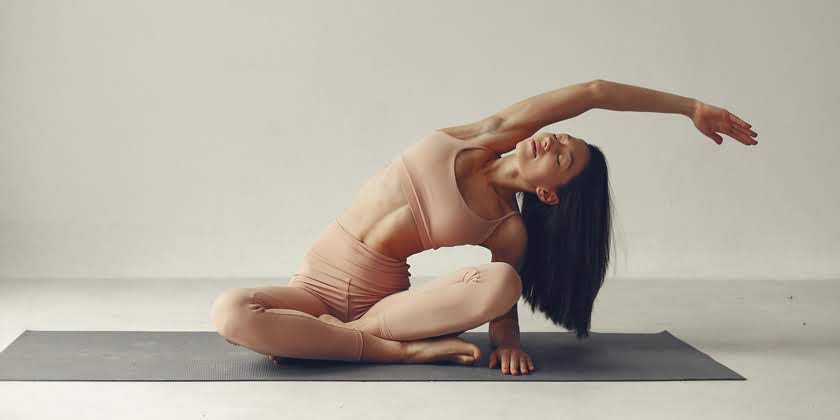
Have you found your ideal workout during self-isolation? Pilates has gained immense popularity recently, loved by everyone from bloggers to celebrities. However, many myths still surround this exercise system. Let’s debunk them, explore Pilates from A to Z, and get ready to work out! At the end of this article, you’ll find links to excellent video tutorials for home Pilates sessions.
Myth #1: Pilates is a Sport
Pilates is not a sport or a separate type of sport, but a program of exercises specifically created by Dr. Joseph Pilates. In the early 20th century, he used his method to help people recover from serious injuries. Today, Pilates helps many understand their bodies and strengthen their health. It’s an entire philosophy with its own history, designed to maintain good physical shape.
Benefits of Pilates
- Joint health improvement
- Muscle strengthening
- Tension relief
- Pain reduction
- Stress management
- Sleep normalization
- Weight control
- Posture improvement, and more.
Myth #2: Pilates is a Type of Yoga
To someone unfamiliar with both Pilates and yoga, they might seem similar, but in reality, they are quite different.
Differences Between Pilates and Yoga
- Different breathing styles
- Almost entirely different exercises (with a few similarities)
- Different approaches to movement
- Pilates is not only practiced on a mat like yoga but also on special equipment created by Pilates.
Recently, a new trend called Yogalates has emerged, combining elements of yoga and Pilates.
Myth #3: Pilates is Easy
If you perform the exercises mindlessly, they might seem simple. However, the essence of Pilates lies in concentration, control, and proper breathing. While the exercises themselves are not physically demanding, the mental strength required to control each muscle and smoothly transition from one position to another demands significant concentration, which is quite challenging. Pilates focuses on deep-seated muscles, making it much more difficult than it appears at first glance.
Myth #4: Pilates is Boring
During practice, you explore your body, learn to concentrate, and feel every cell. Your approach is crucial: the thoughts you bring to your sessions. Without a specific goal and understanding of Pilates philosophy, the workouts might indeed seem boring.
Myth #5: Pilates Helps with Weight Loss
This statement is only half true. People practicing Pilates do not primarily aim to lose weight, although it can be one of the reasons for starting. Initially, you tone your body, making it flexible, graceful, with good posture and proper gait. For weight loss, other sports and physical exercises that burn twice as many calories per hour would be more effective.
Myth #6: Pilates is Only for Women
The fact that Pilates is popular among women does not mean it is suitable only for them. Many athletes, including men, have discovered these workouts for correcting sports injuries and strengthening muscles. Notably, these exercises are suitable for all ages (from 12 years old). There is even a special type of children’s Pilates with basic exercises for younger kids.
Myth #7: Pilates Only Works the Abs
In Pilates, it’s important to feel the center, which is located in the abdomen. Throughout the workout, the abdominal muscles are strongly engaged, resulting in a toned stomach for practitioners. However, Pilates targets all the body’s muscles, especially the deep ones that we might not even feel. The result is not just a “flat stomach” but a toned, beautiful, slender body with a straight back, relaxed shoulders, and an elongated neck.
Myth #8: Pilates Can Only Be Practiced in a Gym with a Trainer
Pilates can be easily practiced at home! The key is to approach the process responsibly and understand its purpose. Concentration is crucial in Pilates, without distractions from the surroundings. You not only help your body but also relieve stress, giving yourself a sense of lightness and confidence. You can enhance your workouts with various fitness equipment: Pilates circles, support blocks, Pilates balls, and elastic fitness bands.
Channels to Help You Spend Time at Home Beneficially
- “Challenge5”: This channel offers excellent Russian-language video tutorials on Pilates for beginners. It’s the perfect time to explore them and add home workouts to your daily routine.