Celebrity chef Hugh Fearnley-Whittingstall on his food and lifestyle revolution
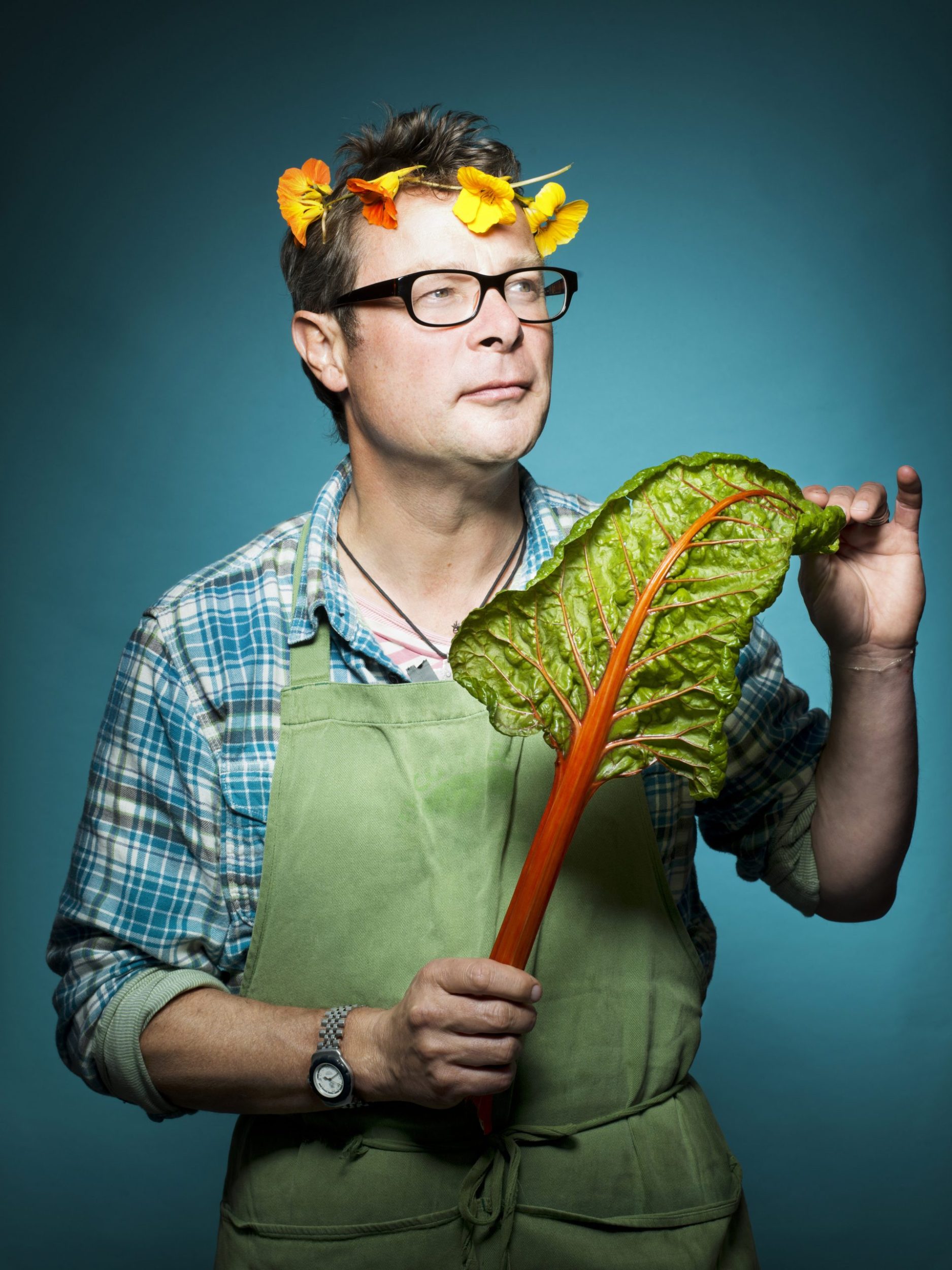
Celebrity Chef Hugh Fearnley-Whittingstall’s Food and Lifestyle Revolution
Stressed and struggling with insomnia, renowned chef Hugh Fearnley-Whittingstall decided to make a change. Through fasting, cold-water swimming, and focusing on gut-healthy foods, he found a path to better health. However, he’s not quite ready to give up cake, as he shares with Damian Whitworth.
Appreciating Food
There’s a moment during my conversation with Hugh when I can’t help but chuckle. “I don’t talk to my vegetables,” he says, “but I do admire them.” The celebrity chef then enthusiastically describes how something as simple as cutting into a red cabbage can lead to contemplating its nutritional impact on our bodies. “These everyday things keep you alive,” he notes, before adding, “It’s like a secular grace, a meditative moment of gratitude.”
Hugh suggests taking the time to appreciate raw ingredients and enjoy the process of preparing them. “Take it as far as you’re comfortable without feeling like you’re on some hippy-dippy trip,” he says with a laugh.
A Journey to Better Health
Between lockdowns, we enjoy a chunky beef chili and a salad of red cabbage, carrot, and clementines at River Cottage HQ, the base for Hugh’s TV and book projects, cookery events, and restaurant businesses. Hugh reflects on how our food choices affect our gut health, imagining the bugs in our gut thanking us for choosing wholesome foods over processed snacks.
From being known as the man who eats everything, Hugh’s food journey has led him to write Eat Better Forever: 7 Ways to Transform Your Diet. He advocates for a varied diet full of whole foods, improved gut biome, reduced refined carbs, mindful eating, and better choices regarding fats and drinks. “If you’re overweight, you’d be unlucky not to lose weight by doing most of that,” he says.
Lifestyle Changes
At 55, Hugh is leaner and fitter than when I last interviewed him seven years ago. He attributes his improved health to better food choices and lifestyle changes, including addressing his insomnia. Creating and maintaining his business at River Cottage has been stressful, but he’s learned to manage it better.
After a particularly stressful period disrupted a family holiday, Hugh promised his family he would take a month off the following summer—and he did. Now, he takes a month off each summer and keeps weekends sacred.
To combat insomnia, Hugh sought help from a sleep therapist and used cognitive behavioral therapy for insomnia (CBT-I) and relaxation techniques, which he found transformative. Cutting back on drinking also helped; he now has four alcohol-free days a week.
Fasting and Mindful Eating
Hugh has become a devotee of fasting, typically having a 12-hour break from food each day and extending that to 16 hours a couple of times a week. “Eating food when you’re hungry is very pleasurable,” he says. “I’m really enjoying this stuff. I mean, I’m really relishing it.”
Taking the time to appreciate fresh produce is not just hippy nonsense, Hugh insists. Science suggests it may even help prevent overeating. While he has a sweet tooth, he’s critical of chocolate, describing it as “utterly fetishized yet utterly debased.” He occasionally indulges in nostalgia, but prefers healthier treats like his oaty, nutty chocolate tiffin.
On cake, Hugh writes, “No one actually needs cake in their life,” although he admits he does. He recommends using fine wholemeal flour and cutting 20% of the sugar from most recipes. “I’d be really surprised if within two versions of that cake you don’t actually prefer it,” he says.
As we finish our meal, Hugh reflects on his bread test: “Does it taste good? And is it at least 50% wholemeal?” It’s a simple philosophy that reflects his overall approach to food and life—enjoy what you eat, but make mindful choices.
For more information, visit River Cottage.