COVID-19 and Blood Clots: Essential Tips to Safeguard Your Health
COVID-19 and Blood Clots: Understanding the Risks
Medical experts have identified blood clots as a serious and dangerous complication of COVID-19, affecting people of all ages. This article provides in-depth information on the risks associated with blood clots, preventive measures, and crucial tests for early detection.
The Connection Between COVID-19 and Blood Clots
Since the beginning of the pandemic, healthcare professionals have noticed a worrying trend: COVID-19 can cause blood thickening, a condition that makes patients more likely to develop blood clots. Recent studies show that over 30% of COVID-19 patients are at risk of developing this condition, which can occur even months after recovery.
How COVID-19 Affects Blood Clotting
COVID-19 causes severe inflammation in the lungs and arterial walls, which can last long after the initial infection has cleared. This ongoing inflammation increases the risk of blood clot formation, posing significant health risks.
Common Areas for Blood Clot Formation
Blood clots mainly form in the lungs and lower extremities, especially in the deep veins. However, arteries such as the carotid and coronary arteries are also at risk. These clots can block the flow of oxygen to vital organs, including the brain, heart, and lungs, leading to severe complications.
The Dangers of Blood Clots
One of the most alarming aspects of blood clots is their ability to break loose and travel to other parts of the body, causing life-threatening conditions such as heart attacks or strokes. Understanding and reducing these risks is crucial for overall health and well-being.
Identifying High-Risk Individuals
While COVID-19 affects individuals differently, those who have experienced severe or moderate symptoms are at a higher risk of developing blood clots. Additionally, individuals with pre-existing conditions such as heart and vascular diseases, atherosclerosis, diabetes, and smokers are more susceptible to this complication.
Recognizing the Symptoms of Blood Clots
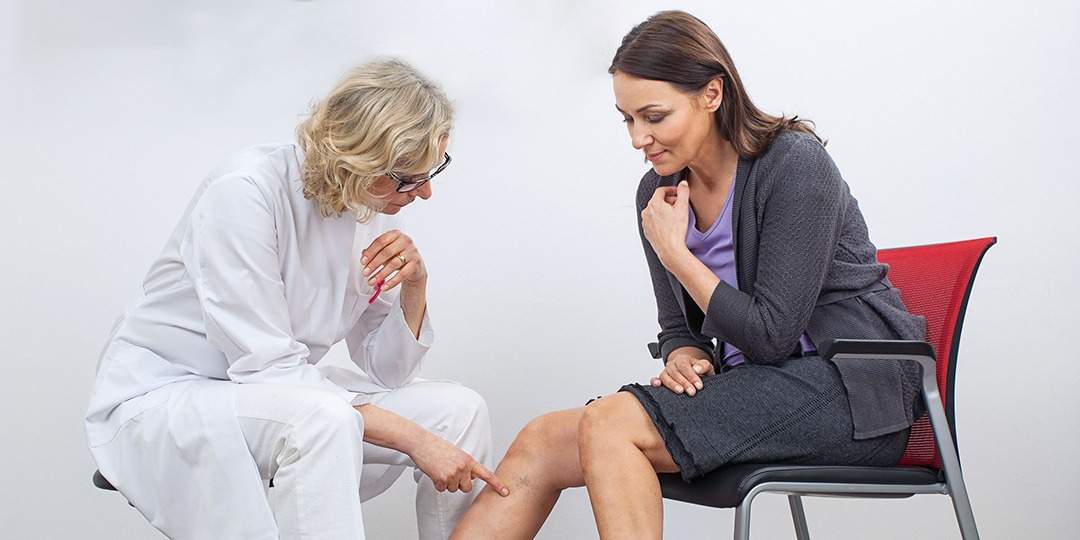
Symptoms of acute venous thrombosis include sudden swelling, skin discoloration, and intense pain. Deep vein thrombosis may present with numbness, restricted movement, and a cold sensation in the limbs. These symptoms require immediate medical attention to prevent severe complications like gangrene.
Diagnosing Blood Clots
Regular medical check-ups are essential for early detection and management of blood clots. Healthcare providers often recommend a D-dimer test to rule out acute thrombosis. However, it is important to consult with your doctor before undergoing this test, as elevated levels can indicate other inflammatory conditions.
Preventive Measures to Reduce the Risk of Blood Clots
Adopting a healthy lifestyle is key to reducing the risk of blood clots. If you smoke, quitting is crucial, especially since COVID-19 already compromises lung health. Staying hydrated and engaging in regular physical activity are also vital. If your daily routine involves prolonged sitting, take frequent breaks to prevent blood pooling in your legs.
Dietary Adjustments for Better Health
Reviewing and adjusting your diet can significantly impact your overall health. Avoid foods that contribute to blood thickening, such as parsley, dill, sugar, potatoes, legumes, liver, buckwheat, walnuts, bananas, and fatty products. Opt for a balanced diet rich in fruits, vegetables, and lean proteins.
For more information on managing vascular health, visit authoritative health resources and consult with healthcare professionals.