Cannabis grower Aimee Armstrong on her mission to help people and communities
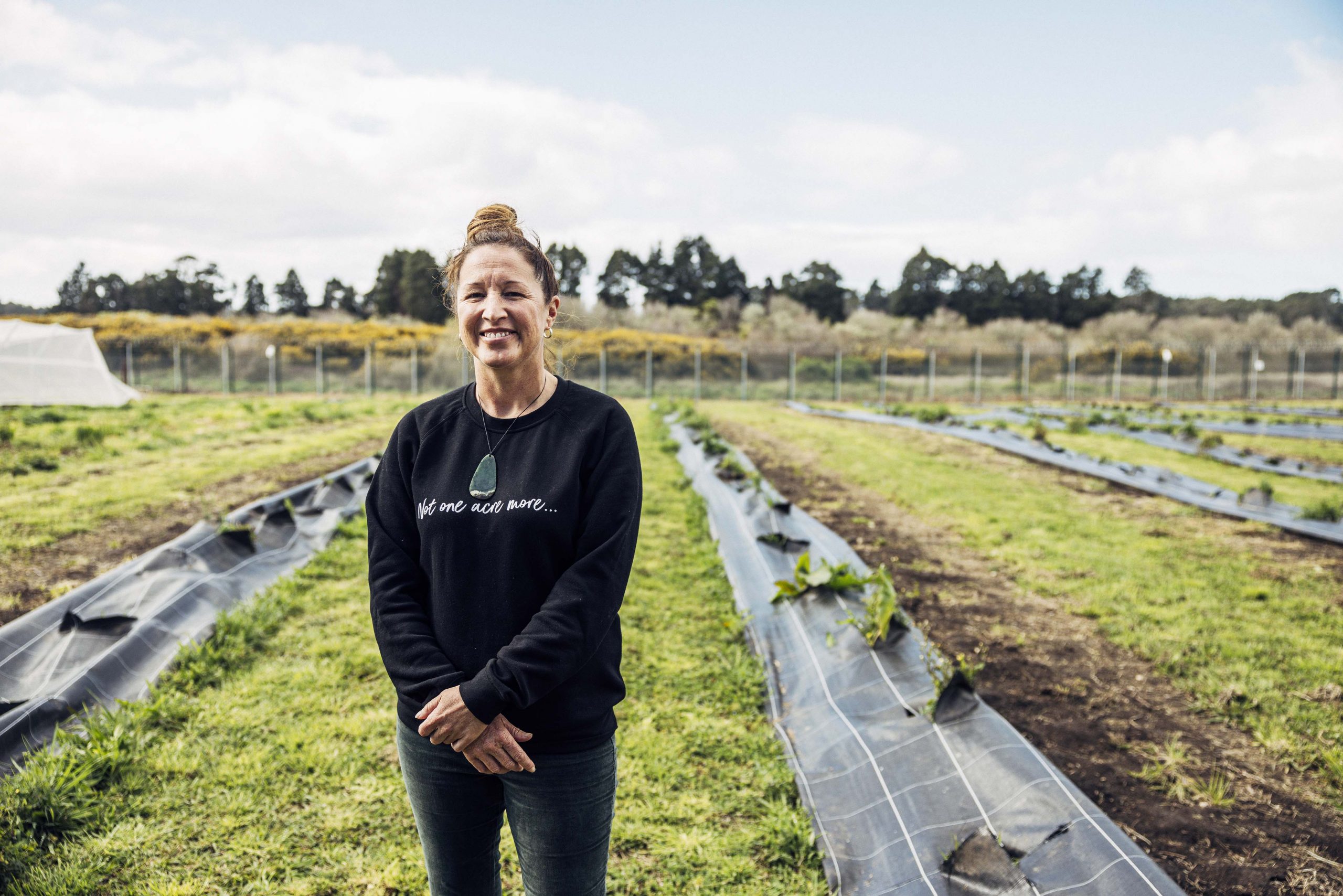
Aimee Armstrong: Cultivating Cannabis for Community Healing
Aimee Armstrong and her partner Jason Murray are the lead cultivators for Eqalis and operate a native nursery on Matakana Island in the Bay of Plenty. With 15 years of experience in the horticultural industry, a degree in geography and Māori development, Aimee focuses on the environment, conservation, and rongoā Māori (traditional Māori medicine).
A Personal and Professional Journey
For Aimee and Jason, growing cannabis for medicinal purposes was a natural progression in their business, driven by personal experiences. They witnessed the inefficacy and harsh side effects of pharmaceutical pills on their family members, leading them to explore alternative treatments.
“We saw through whānau that all those other pharmaceutical pills were just not working or had side effects that were so horrific,” Aimee explains. “You have to take a pill to counteract the side effects of the other pills, and our nannies and koros are taking 10-12 pills a day.”
The Benefits of Medicinal Cannabis
Having heard about the positive effects of medicinal cannabis overseas and seeing its benefits firsthand, Aimee and Jason were motivated to help others. “When people have cancer and don’t have long to live, it’s about improving their quality of life and end-of-life care,” Aimee says. “Instead of being zonked up on morphine and not being able to interact with their whānau, they can feel good within themselves and spend quality time with their loved ones in their last days.”
Community and Conservation
Aimee’s dedication to helping her community led to the establishment of the nursery, Mahana Island Therapies. After completing their university education, Aimee and Jason returned to Matakana Island, where Jason is from. At the time, the island’s primary industries were forestry, farming, and orchards, and the local mill, the largest employer, had just closed down, forcing many to relocate for work.
In 2005, they launched the nursery under a charitable trust dedicated to their community. In 2019, they began discussing the idea of growing cannabis, which was a natural progression for them. “It was a perfect fit for us, utilizing the skills of the community and the island for security, and helping to diversify the industries and employment opportunities to support whānau and provide meaningful jobs,” Aimee says.
Partnering with Eqalis
They approached Eqalis to see if they shared the same ideals and found a good match. “It wasn’t just about making money. It was about providing good medicinal products for everyone, not just those who can afford it,” Aimee explains. “At the moment, people are paying around $400 every month, and we’re wanting to drive the price right down so that all our whānau and all our people who need it can afford it.”
Navigating Regulations
They spent a considerable amount of time building their one-hectare compound with all the legally required security measures, such as proper double-barbed wire fencing and a full surveillance system. There are also regulations around how they grow, including avoiding certain herbicides and pesticides, and the seeds they’re allowed to import.
“New Zealand’s rules would be some of the toughest rules globally, which makes it harder. But it makes it a really top-quality product too, so you can trust what you’re using. It’s making sure we have a product that’s going to really help people, rather than people putting out something of lower quality just to make a whole lot of money from it,” Aimee says.
Future Plans
Aimee and Jason have big plans for the future. Their dream is to develop local seed strains to get a wider variety of plants and the different terpenes they contain, so they can start growing for different treatment purposes. The ultimate goal is to start combining cannabis with rongoā Māori.
“It’s finding the different herbs and what works best together, depending on what you’re trying to treat,” Aimee explains. “It’s trying to connect people back to nature. Most pharmaceutical drugs are synthetic versions of what’s in nature, so why wouldn’t you just use the real stuff and rongoā Māori to help people on a higher level as well, rather than just trying to treat the problem?”
Community Support
Initially, the kaumātua on the island were against the idea of Mahana growing cannabis due to the negative impact marijuana has had on their people. However, as they learned about the medicinal side of it, they became more open to the idea.
“I think people are really starting to open their eyes to the amazing medicinal properties of cannabis because it treats so many diseases and ailments. It’s quite remarkable,” Aimee says. “So now our kaumātua and kuia have been really supportive, especially because we feature so high in New Zealand’s health statistics, and if we can stop nanny from taking 12 pills a day and just having one thing – a natural thing – that can only be good for our people.”
“With climate change and everything like that, I think people are starting to come back to the natural world, and for me, that’s what healing is; reconnecting people with the land, with nature.”
For more information on medicinal cannabis, visit the New Zealand Ministry of Health website.