Understanding and Overcoming Panic Attacks: A Psychologist’s Guide
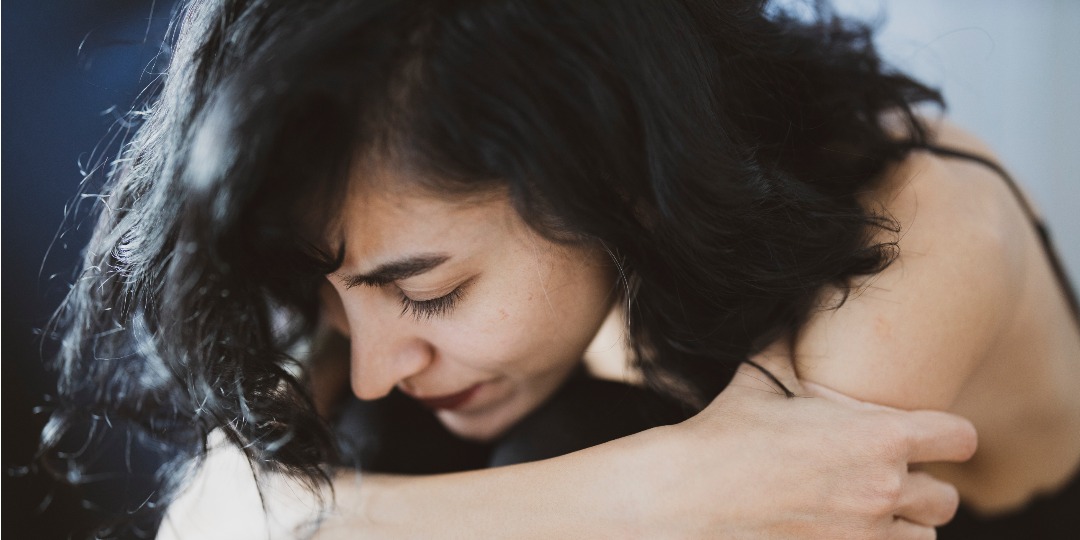
Panic attacks are a serious issue for many people. Recently, there has been an increase in reports of sudden, unexplained fear and intense anxiety. These episodes can strike without warning, whether you’re driving, at work, or out for a walk. Moreover, once experienced, the fear of another attack can be overwhelming. Together with psychologist Daria Volunchik, we delve into what panic attacks are and how to manage them.
Living in a High-Stress World
We all live in a high-activity environment, constantly exposed to numerous stressors, making countless decisions, and consuming vast amounts of information, often negative. This undeniably provokes internal tension and anxiety in response to surrounding changes.
As a result of persistent anxious thoughts, adrenaline is released, and the body remains in a state of stress and excessive mobilization, ready to defend itself at any moment. Even the smallest trigger can then set off a panic attack.
Symptoms of a Panic Attack
A panic attack is an episode of uncontrollable panic, fear, and anxiety, accompanied by an increased heart rate and other symptoms. The signs of a panic attack include:
- Sudden onset, peaking within minutes
- Feelings of fear or intense worry, fear of death
- Increased heart rate
- Chest pain and discomfort
- Difficulty breathing or shortness of breath
- Feelings of weakness and dizziness
- Numbness or tingling in the limbs, ringing in the ears, trembling hands, hot flashes or chills, sweating, nausea, dizziness, feelings of unreality, frequent urination, or abdominal pain
Causes of Panic Attacks
Panic attacks can be expected, for example, if someone with a fear of enclosed spaces feels unwell in an elevator. However, they often occur unexpectedly, without an obvious trigger. An attack can last from a few minutes to several hours and may recur several times a day or once every few months.
Panic attacks can arise for various reasons:
- Psychological stress and prolonged anxiety, such as worries about work or health
- In response to phobias, like the fear of enclosed spaces
- High incidence among those who abuse alcohol or drugs
- Withdrawal or reduction of medication, such as antidepressants
- Occurrence in individuals with mental illnesses
- Somatic diseases (e.g., bronchial asthma, thyrotoxicosis) can also trigger panic attacks due to anxiety about health
Differentiating Anxiety Attacks from Panic Attacks
The primary difference is speed. An anxiety attack gradually intensifies over time, while a panic attack comes on suddenly and rapidly escalates.
Most often, a panic attack seems to occur out of the blue, without a clearly identifiable trigger. In contrast, an anxiety attack has a specific trigger and circumstance that provoke the reaction.
Are Panic Attacks Dangerous?
While panic attacks themselves are not life-threatening, they significantly impair the quality of life. They can develop into phobias or nocturnal panic attacks. Additionally, after the acute phase of panic attacks, a person may become stuck in a state of anxious anticipation of a new attack, leading to avoidance of triggers such as public places or crowds.
Self-Help Methods During a Panic Attack
A panic attack can be very frightening, even if it’s not the first time. However, you can learn to control fear and anxiety at the onset of a panic attack. Here are some self-help techniques:
- Begin slow breathing. Restore your breathing using a paper bag with short inhales and long exhales. If you don’t have a bag, you can cup your hands around your mouth and nose.
- The 4-7-8 breathing technique is very effective. Start by exhaling all the air from your lungs, then inhale through your nose while counting to four. Hold your breath for seven seconds and exhale forcefully through your mouth while counting to eight. The “square breathing” technique also works well, with each stage (inhale – hold breath – exhale – hold breath) lasting four seconds.
- Try to relax. Lie down or sit as comfortably as possible.
- Distract yourself with simple actions, such as counting the buttons on your clothes or reciting a poem from memory.
- Start a conversation with someone about topics that do not induce fear and help you calm down.
- Shift your focus from your state to the external environment. Verbally describe everything you see around you, such as a passing car or the shining sun.
- Calm yourself with positive affirmations, saying things like “Everything is fine,” “I am okay,” “I am safe,” etc.
- Hold a small object like a stone, chestnut, or keychain. This item can help you “ground” yourself. Feel it in your palm, focus on it, and repeat calming phrases like “I am safe,” “Everything will be okay,” “I can get through this,” etc.
Despite the fear and panic experienced, panic attacks do not cause physical harm. However, this does not mean you should ignore the attacks, especially if they recur. In such cases, it is essential to consult a psychotherapist.
Do not wait for panic attacks to intensify phobias, make you live in anxious anticipation of a new attack, change your lifestyle to avoid anxiety, and negatively impact your quality of life.
To prevent panic attacks, try to avoid stress, smoking, alcohol, lack of sleep, and excessive caffeine consumption. Learn relaxation techniques that suit you and maintain a healthy lifestyle.
Interview conducted by Olga Davletbaeva
For more information, visit our Instagram.