Thinning Hair After 50? Expert Stylist Reveals the Best Ways to Restore Volume & Confidence
Why Your Hair Changes After 50 — And What You Can Actually Do About It
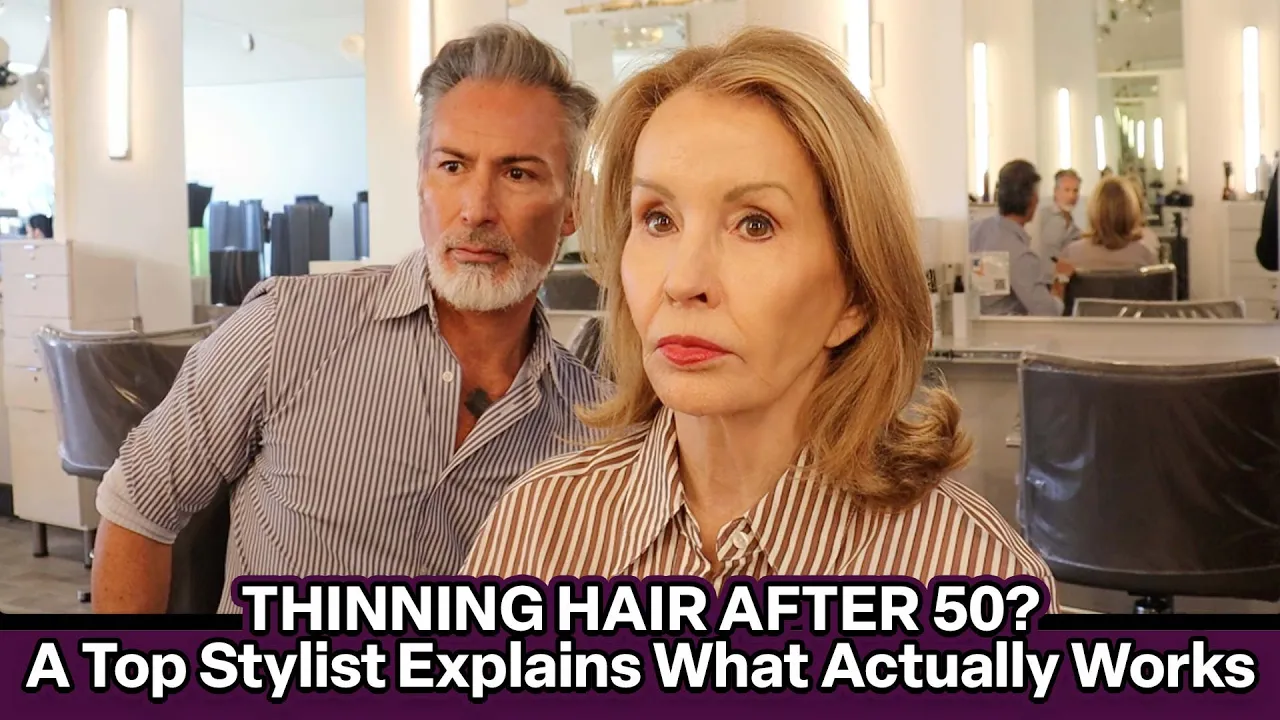
Hair thinning is a natural part of aging, but that doesn’t mean you have to settle for less volume or confidence. We sat down with Johnny Rodriguez, a renowned Dallas stylist and salon owner, to uncover the truth about why hair changes as we get older — and, more importantly, what really works to keep it looking full, healthy, and vibrant. From nutrition and lifestyle tweaks to the latest medical treatments and styling hacks, here’s your actionable guide to managing thinning hair after 50.
Understanding the Root Causes of Thinning Hair
Hair loss after 50 isn’t just about genetics. Multiple factors can contribute to thinning, including:
- Hormonal shifts, especially during menopause, which can disrupt the hair growth cycle.
- Stress and poor sleep, both of which trigger shedding. The good news? Hair often recovers once stress levels and sleep improve.
- Nutritional deficiencies, caused by rapid weight loss, fad diets, or appetite-suppressing medications that starve hair follicles of essential nutrients.
- Illness or medications, which can temporarily or permanently affect hair health.
It’s also important to note that long-term hair loss — such as decades of recession — may not regrow naturally. In these cases, a hair transplant might be the most effective solution, but it’s typically a last resort after trying other approaches.
Nutrition and Lifestyle: The Foundation for Healthy Hair
Johnny’s number one rule? Get your health right first. Hair, skin, and overall resilience all depend on a balanced diet rich in protein, micronutrients, and healthy fats. Here’s how to optimize your routine:
- Prioritize protein. Hair is made of keratin, a protein, so adequate intake is non-negotiable. If you struggle to eat enough, consider a high-quality protein supplement or collagen powder that fits your taste and lifestyle.
- Avoid extreme diets. Rapid weight loss or restrictive eating plans can rob your body of the nutrients it needs to grow strong, healthy hair.
- Improve sleep hygiene. Aim for 7-9 hours of quality sleep per night, and establish a consistent bedtime routine to reduce stress hormones like cortisol, which can contribute to shedding.
- Manage stress. Incorporate stress-reducing activities like walking, meditation, or prayer into your daily routine. Small changes, like reducing late-night screen time or cutting back on caffeine, can also make a big difference.
Supplements, Topicals, and Medical Treatments: What’s Worth Trying?
While no supplement or treatment can guarantee regrowth of long-lost follicles, some options can improve hair quality, thickness, and growth rate. Always consult your healthcare provider before starting any new regimen.
Supplements to Consider
Some of the most popular supplements for hair health include:
- Nutrafol: A clinically tested blend of natural ingredients designed to support hair growth.
- Biotin: A B vitamin that plays a key role in keratin production.
- Prenatal vitamins: Often recommended for their high levels of iron, folic acid, and other hair-friendly nutrients.
- Collagen or protein supplements: These can help fill nutritional gaps, especially if you’re not getting enough from your diet.
Pro tip: Choose reputable brands and avoid over-the-counter products with unverified claims. Your doctor can help you determine which supplements are right for you.
Topical Treatments
Topical solutions like minoxidil (Rogaine) are FDA-approved for hair regrowth and may produce finer, peach-fuzz-like hair for some users. However, they’re often most effective when used as part of a combination approach recommended by a physician. Results vary, and consistency is key.
Medical Procedures
For those looking for more advanced solutions, several medical treatments have shown promise:
- PRP (Platelet-Rich Plasma) Injections: This treatment involves drawing your blood, processing it to concentrate the platelets, and injecting it into the scalp to stimulate hair follicles. Many patients see improved thickness and density after a series of treatments.
- Peptide Injections: These can help nourish follicles and promote growth.
- Stem-Cell-Based Treatments: Some reputable clinics use donated umbilical stem cells to rejuvenate hair follicles. Results vary, and these treatments are still evolving.
Important caution: Not all clinics follow medical-grade standards. Before committing to PRP or other injectable treatments, ask:
- Does the clinic test the quality of the plasma or stem cells?
- Are licensed medical professionals performing the procedure?
- Can they provide transparent information about their credentials and success rates?
Avoid unvetted med-spas offering expensive packages without clear testing or qualifications. If conservative measures fail, hair transplants are an option, but most reputable surgeons will recommend trying nutrition, topicals, and injectable therapies first.
The Power of the Right Haircut and Stylist
A skilled stylist can work wonders with thinning hair, making it look fuller and more voluminous. Here’s what to look for:
Precision Cutting for Fine Hair
Fine, straight hair is unforgiving and requires a precision cut tailored to your texture, face shape, and lifestyle. A stylist who specializes in fine hair will know how to create the illusion of volume without weighing your hair down.
Thick or Coarse Hair? Shape Matters
Even thick, coarse hair can benefit from a strategic cut. The right shape can flatter your face, enhance your natural texture, and make styling easier. Bring realistic photos to your consultation and be honest about how you wear your hair daily.
Styling Education
Some salons offer styling or blow-dry classes to help you replicate salon-quality looks at home. Bring your own brushes and tools to these sessions so your stylist can show you what’s working — and what’s not. A brush that’s perfect for one hair type might be all wrong for another.
How to Find the Perfect Stylist for Thinning Hair
Not everyone has access to a stylist like Johnny Rodriguez, but you can still find a great one with a little research:
- Read reviews and check portfolios. Look for stylists who specialize in fine or thinning hair and have before-and-after photos of their work.
- Visit the salon in person. Observe the atmosphere, ask for a consultation, and see how the stylists interact with clients. A quality salon will welcome questions and offer an honest assessment before charging for services.
- Ask for word-of-mouth recommendations. Compliment someone whose hair you admire and ask who their stylist is. Many people find their best stylist this way.
When to See a Doctor
While some hair thinning is normal, sudden or severe shedding, patchy loss, or other unusual symptoms may indicate an underlying issue. Schedule an appointment with a physician or dermatologist if you notice:
- Rapid or unexplained hair loss.
- Bald patches or thinning in specific areas.
- Symptoms like fatigue, weight changes, or skin issues, which could signal hormonal imbalances, thyroid problems, or autoimmune conditions.
A doctor can run tests to identify the root cause and recommend appropriate treatments, such as hormone therapy, nutritional supplements, or prescription medications.
Your Quick Action Checklist for Fuller, Healthier Hair
Ready to take control of your hair health? Start with these steps:
- Boost your protein intake and consider a clean protein or collagen supplement that fits your routine.
- Improve sleep and reduce stress with a consistent bedtime routine and stress-management techniques.
- Book a consultation with a trusted stylist who asks about your lifestyle and inspects your hair thoroughly.
- Explore supplements and topicals with guidance from your healthcare provider. Research clinics carefully before trying PRP, peptides, or stem-cell therapies.
- Track your progress by taking photos and keeping a “hair record” to share with your stylist or doctor.
Final Thoughts: Embrace the Journey
Hair changes are a natural part of aging, but they don’t have to define your confidence or style. By focusing on health, nutrition, and the right styling techniques, you can make a dramatic difference in how your hair looks and feels. Some solutions may not restore every lost follicle, but they can help your hair appear fuller, healthier, and more vibrant.
Remember: A great haircut and styling routine can work wonders, and a skilled stylist can help you embrace your hair at every stage. For more tips and resources on aging gracefully, check out Prime Women.