Never Too Late: 3 Easy Steps to Discover a New Hobby After 50
Why Starting a New Hobby After 50 Is a Game-Changer
Age is just a number—and it’s never too late to dive into something new. In fact, picking up a hobby after 50 can be one of the most rewarding decisions you make. Whether you’re looking to stay mentally sharp, boost your physical health, or simply add more joy to your daily routine, a new hobby can breathe fresh life into your world.
Maybe you’ve always wanted to try painting, learn an instrument, or join a hiking group. Perhaps you’re craving a creative outlet or a way to stay active. Whatever your motivation, hobbies offer a powerful way to stay engaged, energized, and connected—especially as we get older.
With the right mindset and a little research, you can find an activity that not only enriches your life but also brings a sense of accomplishment and happiness. So, where do you start? Let’s break it down into three simple steps to help you discover the perfect hobby for this exciting chapter of your life.
The Surprising Benefits of a New Hobby After 50
Boost Your Brainpower
One of the biggest perks of starting a new hobby is the mental workout it provides. Learning something new—whether it’s a language, a craft, or a sport—challenges your brain, keeping it sharp and agile. Studies show that engaging in mentally stimulating activities can improve memory, problem-solving skills, and even delay cognitive decline. It’s like hitting the gym for your mind!
Find Joy and Purpose
Retirement or an empty nest can leave you with more free time than you know what to do with. A hobby fills that gap with something meaningful and enjoyable. Whether it’s gardening, writing, or woodworking, having a passion project gives you a reason to get up in the morning. Plus, the sense of achievement that comes from mastering a new skill is unmatched.
Build Connections and Community
Hobbies aren’t just solo adventures—they’re a fantastic way to meet new people and strengthen existing relationships. Joining a book club, a dance class, or a local sports league introduces you to like-minded individuals who share your interests. Even online communities, like forums or social media groups, can provide a sense of belonging and support. For many, these connections become a vital part of their social life.
Unlock New Opportunities
You never know where a new hobby might lead. That painting class could inspire you to create art for friends and family. That cooking hobby might turn into a small business selling homemade treats. Or, you might discover a hidden talent that opens doors you never imagined. The possibilities are endless when you step outside your comfort zone.
How to Choose the Perfect Hobby for You
Reflect on What Excites You
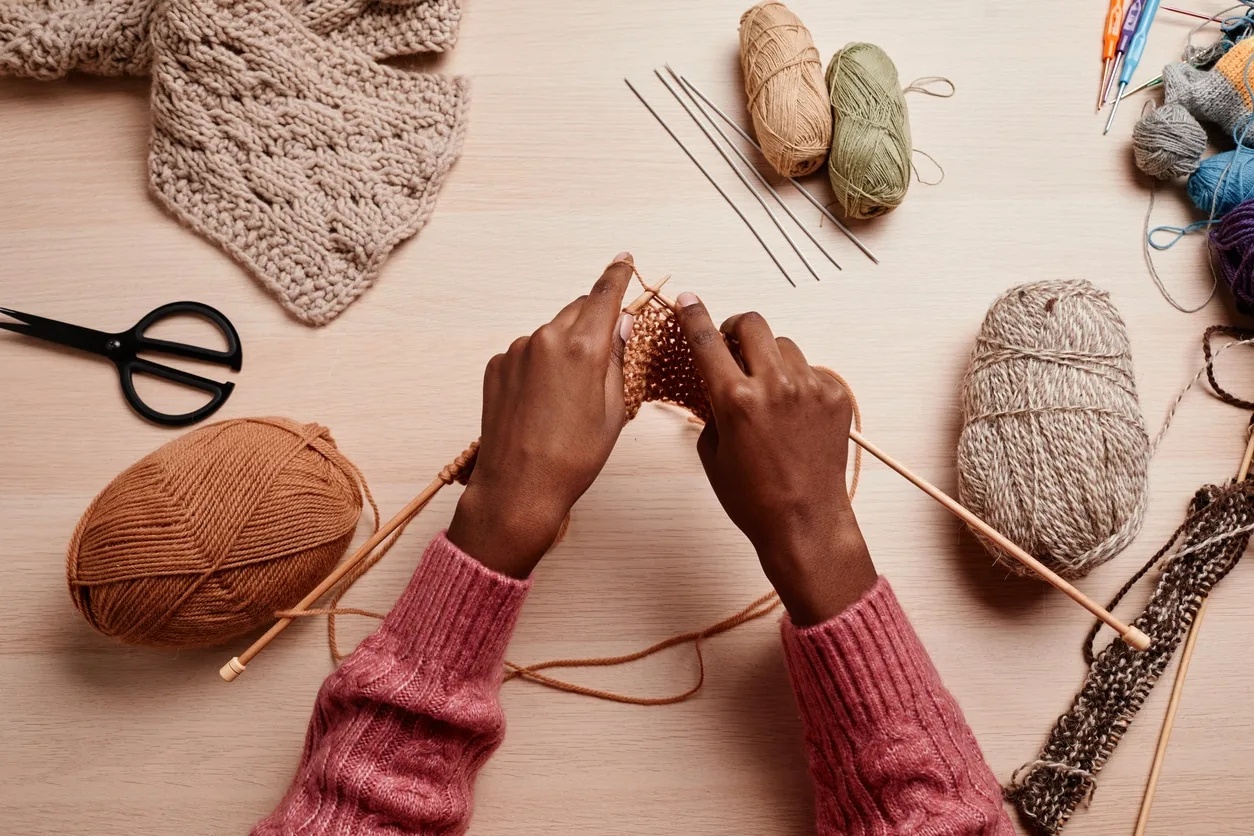
The first step is to think about what truly sparks your interest. Do you love being outdoors? Consider hiking, birdwatching, or gardening. Are you more of a creative soul? Try painting, knitting, or writing. Maybe you’re looking for something active—yoga, swimming, or dancing could be perfect. The key is to choose something that genuinely excites you, not what you think you should do.
If you’re unsure, start by making a list of activities you’ve always wanted to try. Then, narrow it down by researching each one. Look into the time commitment, cost, and learning curve. Ask yourself: Does this fit my lifestyle? Will it bring me joy? If the answer is yes, it’s a strong contender.
Talk to Others Who Share the Passion
One of the best ways to gauge whether a hobby is right for you is to talk to someone who’s already doing it. Reach out to friends, family, or even strangers in online communities. Ask them about their experiences: How did they get started? What do they love most about it? How much time do they dedicate to it each week?
These conversations can give you realistic expectations and help you avoid common pitfalls. Plus, you might even find a mentor or a buddy to join you on your new journey. Hearing firsthand stories can also reignite your excitement and motivation.
3 Simple Steps to Start Your New Hobby
Step 1: Start Small and Stay Consistent
Once you’ve chosen your hobby, resist the urge to go all-in right away. Instead, take small, manageable steps to build confidence and avoid burnout. For example, if you want to learn the guitar, start by mastering just three chords before moving on to more complex songs. If you’re interested in photography, begin with your smartphone before investing in expensive equipment.
Small steps allow you to enjoy the process without feeling overwhelmed. Celebrate each milestone, no matter how minor it seems. Progress takes time, and that’s okay. The key is to stay consistent and patient with yourself.
Step 2: Find Your Tribe
Starting a new hobby can feel intimidating, especially if you don’t know anyone else who shares your interest. That’s why finding a community is so important. Look for local classes, workshops, or meetups where you can connect with others who are just as passionate as you are.
If in-person groups aren’t your thing, explore online communities. Websites like Meetup are great for finding local and virtual groups centered around hobbies. Social media platforms, such as Facebook or Reddit, also host countless groups where you can ask questions, share your progress, and find encouragement.
Being part of a community not only makes the hobby more enjoyable but also provides accountability and support. When you’re surrounded by people who share your enthusiasm, it’s easier to stay motivated and push through challenges.
Step 3: Gather the Right Tools and Resources
Before diving in, make sure you have everything you need to succeed. The resources you’ll require depend on the hobby. For example:
- Creative hobbies: Invest in basic supplies like paints, brushes, or a sketchbook. You don’t need the most expensive gear to start—just the essentials.
- Physical hobbies: If you’re taking up yoga or dancing, find a comfortable space and appropriate clothing. For sports like golf or tennis, consider lessons or a coach to help you get started.
- Educational hobbies: Sign up for online courses, buy books, or download apps that can guide your learning. Many libraries offer free resources, too.
Having the right tools and resources from the get-go removes barriers and sets you up for success. It also prevents frustration down the line, as you won’t have to pause your progress to track down missing supplies.
Embrace the Journey
Starting a new hobby after 50 isn’t about perfection—it’s about exploration, growth, and joy. Whether you’re picking up a paintbrush for the first time or finally learning to play the piano, remember that every expert was once a beginner. The most important thing is to enjoy the process and celebrate your progress, no matter how small.
So, what are you waiting for? The world is full of possibilities, and your next great adventure is just a hobby away. Take that first step today—you won’t regret it.