The Timeless Allure: The Evolution of Leopard Print in Fashion History
The Timeless Allure: The Evolution of Leopard Print in Fashion History
Leopard print is a timeless fashion staple that has maintained its relevance for over a century. Its unique appeal lies in its ability to convey natural elegance, luxury, and a touch of aristocracy, while also exuding brightness and ambiguity that captivates the eye. This print seamlessly blends sexuality, naturalism, aesthetics, and a hint of rock ‘n’ roll, making it a versatile and enduring trend in the fashion world.
The Roaring Twenties and Thirties: Decadence and Jazz
In the 1920s, leopard print was considered a luxurious element in fashion, often associated with royal mantles. It became a favorite among wealthy women, symbolizing the era’s decadence and the rise of jazz culture. Iconic figures like Joan Crawford embraced this trend, making it a staple in high fashion. The post-war period saw a resurgence of leopard print, thanks to Christian Dior’s fresh perspective.
The Forties: Pin-Up Culture
The 1940s marked a significant shift for leopard print, as it became a symbol of sexuality through the pin-up culture. Leopard corsets and lingerie gained popularity, transforming the print from an exotic element to a sensual one. Despite this shift, leopard print continued to be a luxurious fashion statement, with wealthy women donning fur coats made from real leopard fur.
The Fifties: The Hierarchy of Fur
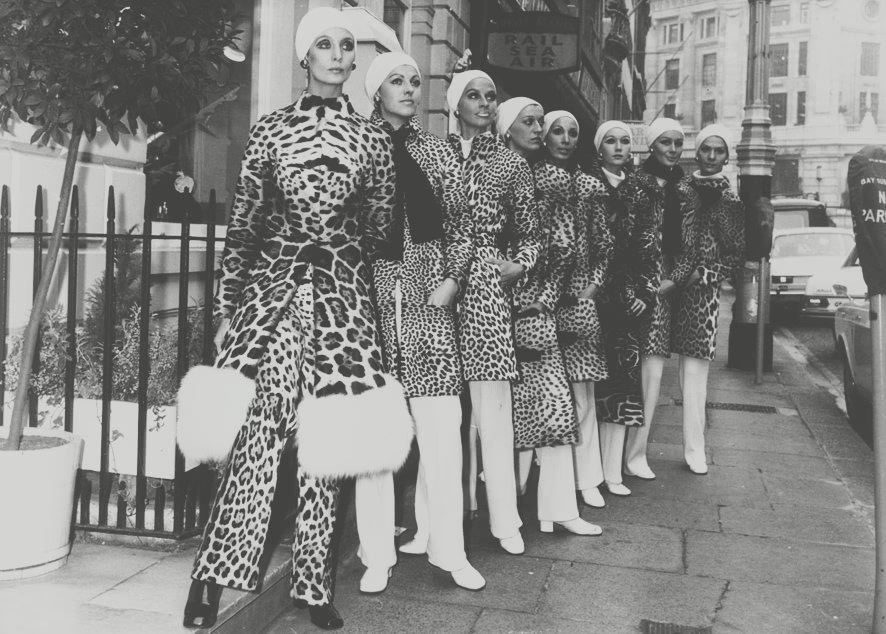
The 1950s were pivotal in the evolution of leopard print. Fur became a status symbol, and leopard fur, in particular, was a sign of wealth and power. It was a dominant feature in women’s fashion, often seen in high-end garments. However, leopard print also began to appear in everyday wear, as seen with Jayne Mansfield’s leopard leggings.
The Sixties: A Turning Point
The 1960s saw leopard print enter the mainstream, thanks to style icons like Jacqueline Kennedy. However, the use of real fur in her outfits sparked controversy and led to widespread hunting of leopards. The trend was further popularized by Audrey Hepburn, who wore a memorable leopard fur hat in the 1963 film “Charade.” The leopard coat worn by Mrs. Robinson in “The Graduate” also left a lasting impression, creating an image of a strong and sensual woman.
The Seventies: Leopard in Subculture
With the advent of glam culture in the 1970s, leopard print gained popularity among both men and women. Musicians wore tight leopard leggings as a symbol of their subculture, increasing the trend’s appeal across different societal layers. By the mid-70s, leopard print had become a symbol of rebellion, embraced by punk icons like Sid Vicious and Debbie Harry.
The Eighties: Spots on the Runway
By the 1980s, leopard print had firmly established itself on the fashion runways. Designers like Diane von Furstenberg incorporated leopard print into their iconic styles, featuring it in dresses and sheer blouses.
The Nineties: Everyday Fashion
The 1990s democratized leopard print, making it accessible to the masses. From the prostitute character in Tony Scott’s “True Romance” to Beth Linn’s combination of leopard fur coat, chemically bleached hair, and artificial nails, leopard print was everywhere. The Spice Girls brought a youthful maximalism to the trend with their leopard tops, and Madonna revived the glamorous yet shocking trends of the 90s with her leopard coat and red lips at the presentation of her album “Bedtime Story” in 1995.
The New Millennium: A New Era
In the fashion industry of the last decade, leopard print has been ubiquitous, from decorative elements to essential wardrobe pieces. In 2007, Armani featured leopard print pants in his spring collection. Kate Moss paired a light summer dress with a faux fur coat, and Burberry’s fall collection demonstrated that mixing prints and combining them with everyday wear remains a relevant trend. The phenomenon of leopard print is unlikely to fade away anytime soon.
For further reading on fashion trends, you can visit Vogue.