4 Smart Ways to Track Your Fitness Progress Without a Scale
Stop Obsessing Over the Scale: Here’s How to Measure Real Fitness
Society loves to define women by numbers—age, dress size, weight, height, even bra size. With social media setting unrealistic standards, it’s easy to fall into the trap of stepping on the scale daily, stressing over every tiny fluctuation. But here’s the truth: the number on the scale doesn’t tell the whole story about your health or fitness.
As a cycle and Pilates instructor, I’ve seen it all—women who think they’re fit just because they’re thin, and women who consider themselves “unfit” simply because they don’t wear a size two. Neither assumption is accurate. Factors like muscle mass, water retention, and even hormonal changes can skew the scale. A truly fit, healthy body looks different on everyone. So, how do you really measure your fitness? Here are four effective ways to track your progress without ever stepping on a scale.
1. Check Your Heart Rate: The Ultimate Fitness Barometer
Thanks to smartwatches and fitness trackers, monitoring your heart rate has never been easier. While no device is 100% perfect, most provide a solid snapshot of your cardiovascular health—a key indicator of overall fitness.
Resting Heart Rate (RHR): A lower RHR typically signals better cardiovascular health. According to the Mayo Clinic, the average adult’s resting heart rate falls between 60-100 beats per minute (BPM). Elite athletes, however, often have RHRs as low as 40 BPM. As cardiologist George Welch, M.D., explained to SELF, “The more you exercise and the harder you train, the lower your resting heart rate.” For the most accurate reading, check your RHR first thing in the morning, before stress or caffeine kick in.
Heart Rate Recovery (HRR): This measures how quickly your heart rate returns to normal after exercise. Research shows that HRR within the first 60 seconds post-workout is a strong predictor of long-term health. Glenn Gaesser, Ph.D., a professor of exercise physiology at Arizona State University, notes that while there’s no strict rule, your HRR should drop at least 70% of the way back to its pre-exercise rate within a few minutes. For vigorous workouts, he suggests your heart rate should decrease by at least 20 beats in the first minute and another 15-20 beats in the next minute.
2. Track Your Strength and Endurance with Measurable Goals
Instead of fixating on your waistline, focus on performance metrics. Set clear, achievable fitness goals and track your progress over time. Start with a baseline measurement, such as:
- How long you can hold a plank
- How many push-ups you can do in one minute
- The weight you can lift for a biceps curl or chest press
- How many jumping jacks or burpees you can complete in a set time
Revisit these metrics monthly. If your numbers improve, you’re building strength and endurance—even if the scale doesn’t budge. Remember, muscle weighs more than fat, so you might be getting leaner without seeing a change in weight.
3. Tune Into How You Feel: The Rate of Perceived Exertion (RPE)
Ever heard the gym mantra, “It’s not getting easier; you’re getting stronger”? That’s where Rate of Perceived Exertion (RPE) comes in. Measured on a scale of 1-10, RPE gauges how hard an exercise feels in the moment. If you used to gasp for air after 10 minutes on the treadmill but can now run comfortably for 15-20 minutes before feeling winded, that’s a clear sign of improved endurance and fitness.
Pay attention to your body’s signals. Are workouts feeling slightly easier? Can you push a little harder without feeling completely drained? These are all signs of progress that the scale can’t capture.
4. Assess Your Functional Fitness: Can You Move with Ease?
Functional fitness is all about how well your body performs everyday movements. Ask yourself:
- Can you bend over to tie your shoes without straining your back?
- Can you get up from the floor without struggling?
- Can you climb a flight of stairs without feeling out of breath?
These simple tasks reveal a lot about your flexibility, muscle tone, and cardiovascular health. Even someone who looks “fit” might struggle with these movements if they lack mobility or strength. No scale can measure how well you function in daily life.
Should You Ditch the Scale for Good?
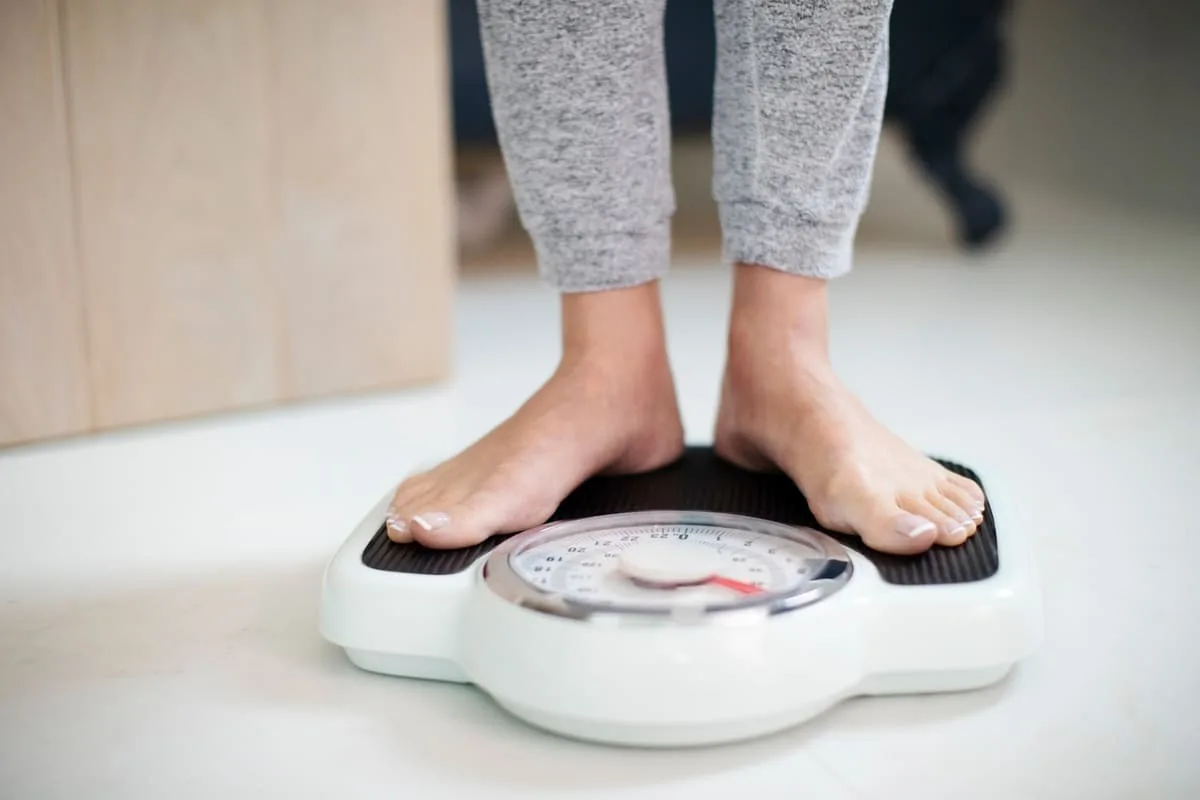
The scale can still be a useful tool—if used correctly. Weighing yourself once a week or even once a month can help track progress toward a weight-loss goal. But if you’re stepping on it daily and obsessing over every fluctuation, it’s time to shift your focus. True fitness isn’t about a number on a scale or a label in your clothes. It’s about how you feel and how well your body functions every day.
So, the next time you’re tempted to judge your fitness by the scale, remember: there are far better ways to measure your progress. Focus on what your body can do, not just what it weighs.