Sudan Unveiled: 5 Surprising Facts About Its Culture, History & Resilience

Sudan: A Land of Ancient Wonders, Diverse Cultures, and Unyielding Strength
Sudan has faced decades of political turmoil and economic hardship. The ongoing conflict, now in its second year, has deepened the humanitarian crisis, leaving nearly 25 million people—over half the population—in dire need. More than 10 million have been displaced, with 1.5 million fleeing to neighboring countries. Yet, even as families are uprooted and communities shattered, the Sudanese people carry with them a legacy of resilience, culture, and heritage that refuses to fade.
Beyond the headlines of war and displacement lies a nation of extraordinary depth. Sudan is one of Africa’s largest countries, a land where ancient civilizations thrived, where the Nile River weaves through history, and where over 500 ethnic groups contribute to a vibrant cultural tapestry. As we amplify the voices of those affected by conflict—especially Sudanese women—we must also celebrate the richness of this nation. Here are five fascinating facts that reveal the true spirit of Sudan.
1. More Pyramids Than Egypt: The Legacy of Ancient Nubia
When most people think of pyramids, Egypt’s iconic structures come to mind. But Sudan is home to over 200 pyramids—more than double the number in Egypt. These pyramids were built by the ancient Nubian civilization, one of Africa’s oldest and most sophisticated cultures.
Flourishing along the Nile River thousands of years ago, the Nubians were masters of agriculture, trade, and architecture. Their most powerful kingdom, Kush, once ruled vast territories, with its capital in the city of Meroë. The Nubian pyramids, though smaller and steeper than Egypt’s, are no less impressive. Their sharp angles and intricate designs reflect a civilization that rivaled—and at times surpassed—its northern neighbor in wealth and influence.
Today, these pyramids stand as silent witnesses to a history often overshadowed by Egypt’s fame. They remind us that Sudan was, and remains, a cradle of civilization.
2. A Cultural Mosaic: Over 500 Ethnic Groups and 400 Languages
Sudan is a melting pot of cultures, with more than 500 distinct ethnic groups and over 400 languages spoken across the country. Each group contributes its own traditions, beliefs, and artistry, creating a society as diverse as it is dynamic.
The Arab Influence: Language and Religion
Arab communities, primarily in northern Sudan, make up about 70% of the population. Their influence is deeply felt in the country’s language, religion, and daily life. Arabic is the official language, and Islam shapes many cultural practices, from daily prayers to festive celebrations. Yet, this Arab identity coexists with a rich tapestry of other traditions, proving that Sudan’s culture is far from monolithic.
The Nubians: Guardians of Ancient Heritage
In the Nile River Valley, the Nubian people preserve a cultural identity that stretches back millennia. Known for their vibrant music, intricate handwoven textiles, and colorful geometric architecture, the Nubians celebrate their heritage through festivals like Wakha, which marks the start of the agricultural season. These traditions are more than just performances—they are living connections to a past that continues to shape Sudan’s present.
The Fur People: Art and Spirituality in Darfur
In Darfur, a region hit hard by the current conflict, the Fur people are renowned for their artistic and spiritual traditions. Their woodcarvings, beadwork, and pottery are not just crafts but expressions of a deep connection to the land. The Mungu festival, which honors ancestors and celebrates the harvest, is a testament to their enduring relationship with nature and community. Even in the face of adversity, these traditions remain a source of pride and resilience.
3. The Nile: Sudan’s Lifeline and Cultural Heartbeat
While Egypt often steals the spotlight, the Nile River—the longest in the world—flows through the very heart of Sudan. For millennia, its waters have sustained civilizations, nourished farmland, and shaped the lives of those who live along its banks.
In Sudan’s capital, Khartoum, the White Nile and Blue Nile tributaries merge in a spectacular confluence. This meeting point is not just a geographical marvel but a symbol of abundance and renewal for the Sudanese people. The Nile’s fertile soil has allowed agriculture to thrive, while its waters have inspired myths, songs, and stories passed down through generations. For many, the river is more than a natural resource—it is a sacred thread tying the past to the present.
4. Once Africa’s Largest Country: The Birth of South Sudan
Sudan’s modern history is marked by both struggle and transformation. After gaining independence from British colonial rule in 1956, the country was plagued by internal conflicts. The First Sudanese Civil War (1955–1972) and the Second Sudanese Civil War (1983–2005) were rooted in demands for regional autonomy, particularly from the southern regions.
These conflicts ultimately led to the secession of South Sudan in 2011, making Sudan the largest country in Africa no more. Today, that title belongs to Algeria. Yet, even as the map changed, Sudan’s identity as a nation of resilience and diversity remained unchanged.
5. Unbreakable Spirit: Hope in the Face of Adversity
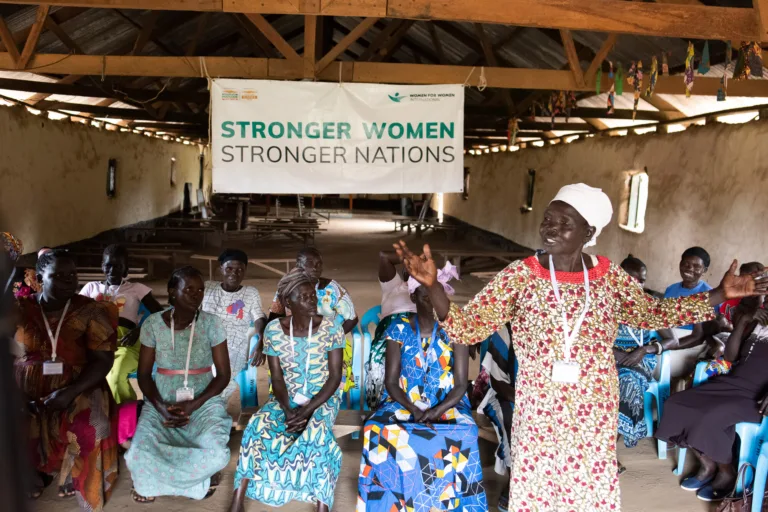
Despite its long history of conflict, Sudan’s people have never lost hope. From grassroots peace initiatives to community-led development projects, Sudanese individuals and organizations are working tirelessly to rebuild their lives and their nation. Their determination is a testament to the human spirit’s ability to endure and thrive, even in the darkest times.
Since the latest conflict began in April 2023, efforts to support those on the ground have been critical. Organizations and partners are providing aid, advocacy, and resources to those most in need, particularly women, who bear the brunt of the crisis. Their stories of survival and strength are a reminder that Sudan’s future is as rich as its past.
Why Sudan’s Story Matters
Sudan is more than a country in crisis—it is a land of ancient wonders, cultural richness, and unyielding resilience. As we work to address the urgent needs of its people, we must also honor the heritage that defines them. By understanding Sudan’s history, diversity, and spirit, we can better appreciate the depth of what is at stake—and the hope that endures.
Header photo by Ammad Rasool on Pexels.