Royal Nanny’s Golden Rule for Prince George, Princess Charlotte, and Prince Louis’ Mealtimes
The Royal Nanny’s Approach to Mealtimes
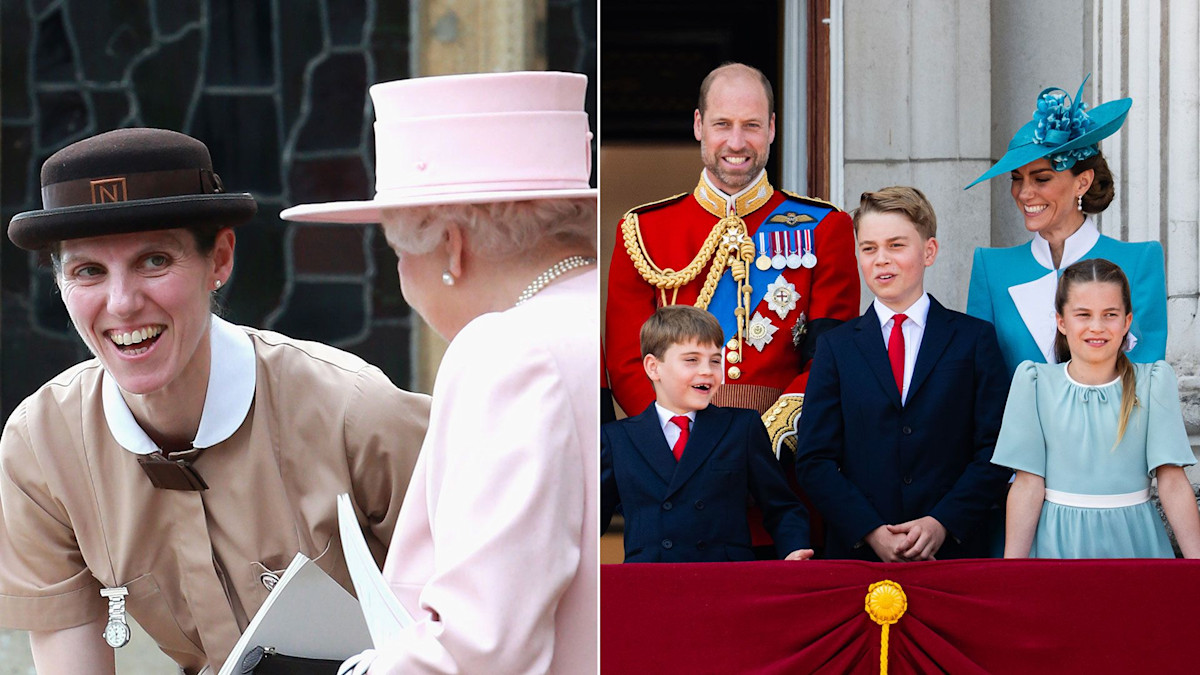
The Prince and Princess of Wales’ nanny, Maria Teresa Turrion Borrallo, has been an essential part of their household for over a decade. Recognized for her exceptional service with a Royal Victorian Medal (Silver), Maria has been instrumental in caring for Prince George, Princess Charlotte, and Prince Louis. Her role includes preparing nutritious meals and ensuring the children develop healthy eating habits.
Norland College: The Gold Standard in Childcare
Maria’s training at the prestigious Norland College in Bath, the world’s oldest childcare institution, has equipped her with the skills to foster positive eating habits. The college is renowned for its rigorous training programs that emphasize practical, hands-on childcare techniques.
Key Rules for Healthy Eating
According to Norland nanny Louenna Hood, there are several key rules to encourage healthy eating habits in children:
- Eat Together: Family mealtimes are crucial. When children see adults enjoying the same foods, they are more likely to try new things.
- Involve Children in Cooking: Children are more inclined to eat food they have helped prepare. This also makes mealtimes more enjoyable and educational.
- Offer Small Portions: Small, manageable portions can prevent children from feeling overwhelmed and encourage them to try different foods.
- Avoid Mealtime Battles: Keeping a calm and controlled demeanor during meals helps reduce anxiety and makes mealtimes more pleasant.
- Set Simple Rules: Encourage children to try everything on their plate, even if it’s just one bite. This helps them develop a varied palate without the pressure of finishing everything.
- Hide Vegetables: If children refuse to eat vegetables, blending them into sauces or other dishes can be an effective way to ensure they still get their nutrients.
The Royal Family’s Mealtime Practices
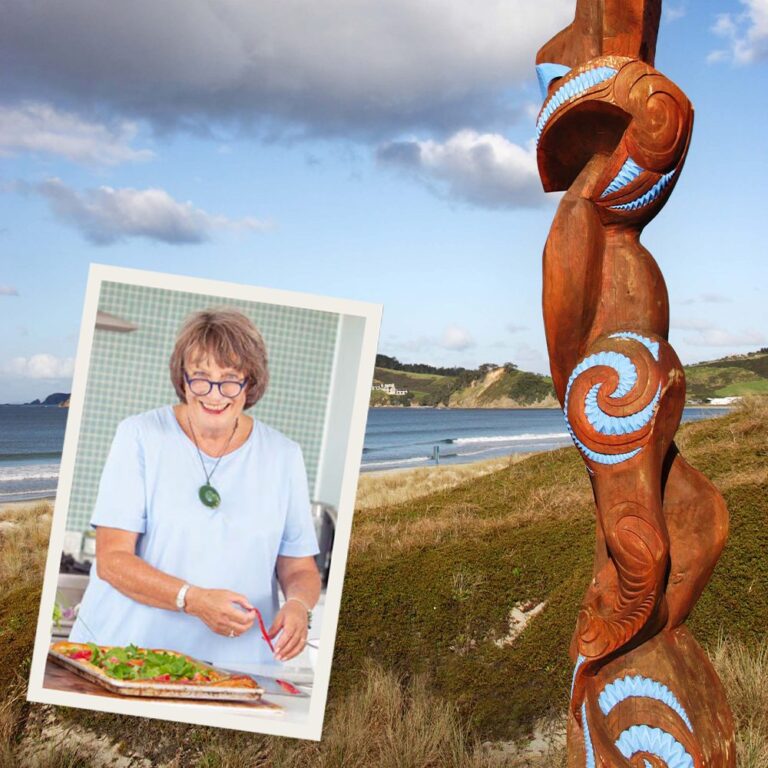
Prince William and Princess Kate are known to follow these rules themselves. Kate, in particular, enjoys cooking with the children, making homemade pizza and pasta. This hands-on approach not only makes mealtimes fun but also helps demystify food for the children.
Expert Insights on Norland Nannies’ Food Rules
Dr. Sasha Hall, a senior education and child psychologist, highlights the benefits of Norland nannies’ food rules. According to Dr. Hall, children learn through observation, and family mealtimes provide positive role modeling. This reduces pressure on the child and makes mealtimes more enjoyable.
Dr. Hall also emphasizes the importance of giving children a sense of control during meals. Offering structured choices, such as how many bites to take, encourages participation without creating power struggles. This approach frames eating as a choice rather than a test, making children more motivated to try new foods.
A calm and consistent approach is key to successful mealtimes. Pressure, bribery, or visible frustration can heighten anxiety and reduce appetite. A calm adult response helps children feel safe and supported, even if they eat very little.
Finally, Dr. Hall advises against using the term ‘fussy eater.’ Labeling children as fussy eaters can create a self-fulfilling prophecy and increase mealtime anxiety. Instead, focusing on positive eating habits and a calm mealtime environment can help children develop a healthy relationship with food.