Natural vs. Synthetic Fabrics: What You Need to Know for Smart Fashion Choices
Making Smart Fashion Choices
Choosing clothes wisely in today’s fast-paced fashion world is more challenging than ever. With trends constantly evolving, we often overlook the importance of quality, durability, and functionality in our clothing. Modern fashion tends to prioritize fleeting trends over timeless pieces, leading to a cycle of rapid consumption and disposal. However, there is a growing appreciation for natural fabrics due to their undeniable benefits, even though they can come with a higher price tag.
We’re not suggesting you completely abandon synthetic materials in favor of natural ones. Instead, we aim to provide a comprehensive overview of fabrics to highlight the significance of material choice in clothing, regardless of trends.
Latest Trends in Fabrics
Fashion runways dictate not only the style of clothing but also the materials used. High fashion typically avoids synthetic materials, focusing instead on natural fabrics that ensure quality both inside and out. While designer pieces like Italian silk dresses may be out of reach for the average consumer, there are many affordable natural fabrics and their alternatives that allow for stylish and high-quality dressing.
This season’s trends feature both timeless classics and innovative new ideas. For instance, cotton is extremely popular this season. With spring trends like ruffled blouses, shirt dresses, lightweight trench coats, and non-lace lingerie, cotton is a staple in many collections. While 100% cotton can be expensive, blends with viscose or other materials offer a softer, more affordable alternative. Cotton is perfect for lightweight spring and summer clothing, while denser cotton fabrics are ideal for jackets and blazers.
Linen
Linen is another excellent choice for spring and summer wardrobes due to its light and breathable nature. However, it’s important to note that linen can give off a relaxed, sometimes careless vibe. Despite this, linen remains a popular choice on fashion runways, with many dresses, pants, and shirts featuring this fabric.
Tweed
Tweed is a warmer fabric that remains trendy this season. Tweed pieces, such as jackets, dresses, skirts, suits, and accessories, were prominently featured in recent fashion weeks. Alongside trendy bombers and oversized jackets, tweed jackets pair well with everyday outfits.
Chiffon and Organza
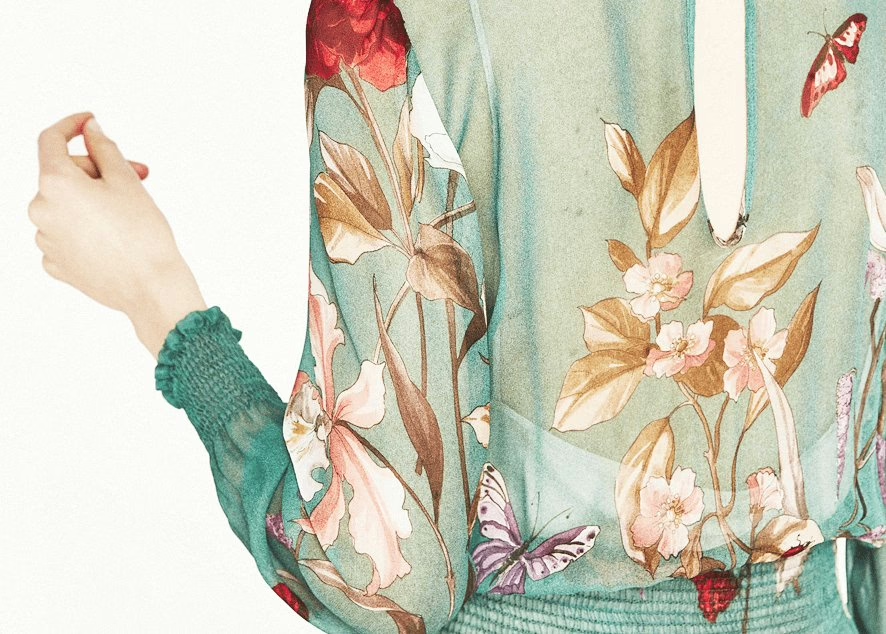
Chiffon and organza are natural materials that add elegance with their lightweight, flowing qualities. These fabrics pair beautifully with denser natural materials like wool, knitwear, or denim. Luxurious materials like silk, leather, and suede also remain timeless and stylish choices.
Eco-Friendly Fashion
Modern high fashion and streetwear are increasingly focusing on eco-friendly fabrics. These materials are made from environmentally clean raw materials, without the use of pesticides or other harmful substances. In addition to traditional natural fibers like wool, silk, linen, and cotton, eco-fabrics can include plant-based materials such as nettle, bamboo, algae, hemp, eucalyptus, corn, and even recycled synthetic waste like car tires and plastic bottles. This approach not only saves resources but also benefits the environment.
Many popular brands are adopting technologies to recycle waste and other materials into new eco-friendly fashion elements. The styling process for eco-fabrics avoids artificial dyes and chemicals, opting instead for natural alternatives like mineral powders, flower pollen, berry juices, and even live flowers to create unique prints.
Beyond the health benefits, eco-friendly clothing has a global potential. These garments are designed to biodegrade after disposal, reducing environmental pollution. Brands like Zara, Topshop, Nike, LEVI’S, H&M, and MARKS & SPENCER offer eco-friendly products. However, it’s essential to check the composition, as these stores do not exclusively specialize in eco-friendly fashion.
To Wear or Not to Wear
While natural fabrics are clearly the better choice, synthetic materials have become a staple in our wardrobes. Materials like viscose, found in long-sleeved shirts, t-shirts, and blouses; knitwear used in cardigans, sweaters, and hoodies; and stretch fabrics that enhance the practicality and longevity of natural fabrics are commonly used. Modern fashion also encourages mixing different textures and fabrics, often leading us to wear a variety of materials unknowingly.
However, some synthetic fabrics, while making natural materials more affordable and versatile, can be toxic and harmful to health. Polyester, for example, is often mistaken for natural fabrics due to its similar composition and appearance. Made from polyether fibers derived from diatomic alcohol ether and terephthalic acid, polyester is used in various clothing items like half-jerseys, sweaters, and even underwear. It’s best to avoid polyester and opt for natural or blended fabrics instead.
Acrylic, commonly found in knitwear, helps maintain the structure of the yarn but can be harmful to the skin. Rayon, another synthetic fabric, requires chemical treatments to maintain its quality after washing and frequent wear. Often used in dresses, skirts, blouses, and pants, rayon is better replaced with cotton, viscose, or linen to avoid constant contact with chemicals.
Despite its glamorous appearance, nylon is another synthetic fabric to avoid. Produced with chemicals that can be harmful to the skin, nylon may seem durable but tends to wear out quickly after a few washes.
Why Choose Natural Fabrics
We often prefer synthetic fabrics not because natural ones are inadequate, but because trends change rapidly, requiring frequent wardrobe updates. Trendy pieces can be made from natural materials, but their higher cost makes them less appealing for frequent replacements.