Mary Kay’s Success Secrets: Knowledge, Lipstick, Determination, and a Computer
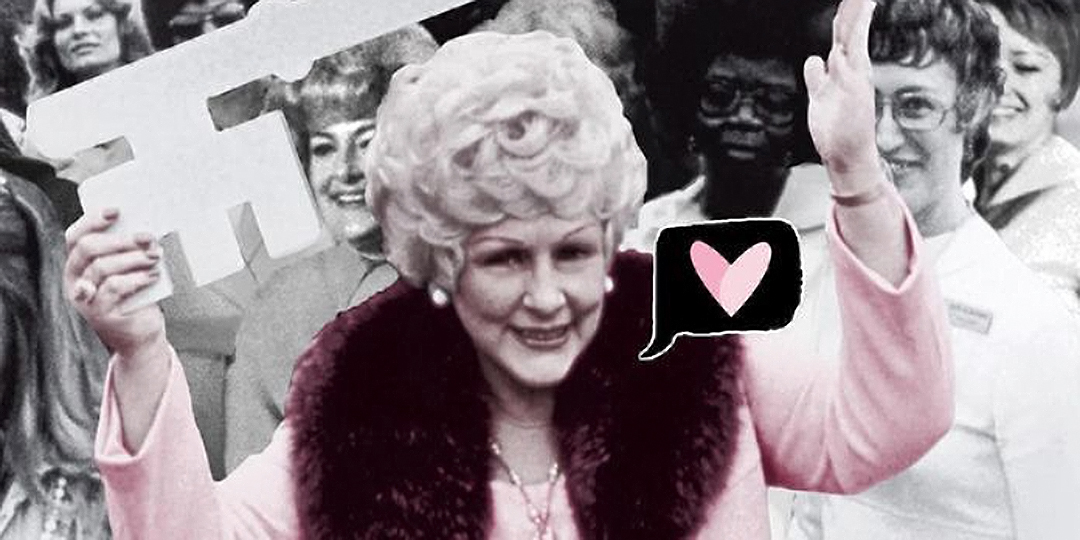
Mary Kay’s Journey to Success
“Mary Kay, liquidate your business immediately. Otherwise, you’ll end up penniless,” said the lawyer. “The reward system will never work. The company will surely go bankrupt, and you along with it,” said the accountant. But Mary Kay opened the company anyway. Mary Kay Inc. has been thriving for nearly 60 years. Let’s explore what helped its founder achieve success.
Mary Kay Took Risks
Mary Kay took a significant risk. She was already retired and invested all her savings into the company. “I burned all my bridges. If it hadn’t worked out, I wouldn’t have had an easy retirement. I would have had to work for someone else for the rest of my life,” she said. Let’s delve into what Mary Kay did to make her company flourish.
Belief in Herself
“Darling, you can do it” from her childhood prevented her from giving up at the start.
The future famous businesswoman’s childhood was not easy. Her father was ill, and her mother supported the entire family, working from early morning until late at night. Mary Kay took on all other responsibilities. By the age of seven, she not only excelled in school but also cooked, cleaned, shopped, and cared for her father.
Mary Kay at 7 years old
Mary Kay and her mother communicated mostly by phone and for practical matters. While giving her another recipe or instruction, her mother always concluded: “Darling, you can do it.” These words resonated deeply with the girl. As an adult, Mary Kay admitted that these words became the foundation of her vast company and prevented her from giving up at the very start.
A month before opening the company, Mary Kay’s husband died of a heart attack. He was supposed to handle all organizational and financial matters—Mary lacked the necessary knowledge. Despite her grief, the grim predictions of the accountant and lawyer, and the mountain of problems, she opened the company as planned.
“How could I know that we would succeed? I didn’t know! I didn’t have a crystal ball to see the future. But my lawyer and accountant didn’t have one either. I just knew that I had to do it.”
Belief in Others
Mary Kay believed in others as much as she believed in herself. She trusted the cosmetics created by a leather tanner, bought the recipes, and started producing and selling them. Initially, she sold cosmetics alongside wigs, which were trendy at the time. Wigs were the main product of Mary Kay’s company for a while.
Mary Kay’s consultants sold wigs and offered cosmetics as an add-on. By the way, Mary Kay believed in each of her sales representatives, even the shyest ones. Belief in herself and those around her remains the foundation of the company.
“How could I know that we would succeed? I didn’t know! I just knew that I had to do it.”
Accepting Help
First, faith in God, then family, then career. These were Mary Kay’s priorities, and she lived by them. She always scheduled her time to spend enough with her children. Later, when she remarried, she came home at seven every evening and spent time with her family because it was important to her husband.
Life taught her to delegate, adapt to situations, and master time management. She raised her three children alone. Once, Mary realized she couldn’t handle household chores and work alone, so she placed an ad in the newspaper looking for a housekeeper. Even though she didn’t have money for herself, let alone someone else’s salary. But in the first week the housekeeper started working, Mary Kay’s income soared—she worked with tripled energy in her free time.
Mary Kay with her family in 1994: she had 16 grandchildren and 25 great-grandchildren
She never refused help. At the start of her company, her children helped her. Her 20-year-old son immediately quit his high-paying job, moved, and started working as a manager in her company. Her older son also joined his brother soon after, reducing his income by three times despite having a family. He also gave his mother all his savings, which he had saved since school—nearly $5,000. This became the starting capital. A little later, their sister joined the brothers.
In a year, the turnover grew from $5,000 to $198,000, and in two years—$800,000.
Relying on Feminine Qualities
Mary Kay opened her company in 1963. By then, she had already worked in the male-dominated business world for 25 years, and it wasn’t easy. She earned half as much as men with the same competencies. Several times, she even trained men who later became her bosses. Often, her proposals in meetings were rejected with the words: “You think like a woman.”
This infuriated her. Gradually, she realized that she wanted to create a company where women could earn, build a career, and still have time for their families.
“And I knew that in my company, ‘thinking like a woman’ would be a valuable contribution, not an annoying hindrance,” she said.
Mary Kay Ash with a 1985 pink Cadillac
Indeed, that’s how it turned out. Mary Kay often relied on women’s strengths in business—intuition and empathy. On the first day of work, she fired the most experienced and seemingly valuable consultant simply because she “felt something was off.” A few months later, he was charged with a crime. If he had worked in the company, it would have severely impacted the business. When training new consultants, the main thought was not “How much money can they bring in,” but “What can I do for her to make her more confident and happy.”
When training new consultants, she didn’t think about how much money they would bring in. Instead, she pondered: “What can I do for her to make her more confident and happy?”
Wearing a Smile
“A person is as happy as they convince themselves to be,” Mary Kay said.
After her divorce from her first husband, she had serious health problems—doctors said she might soon be paralyzed. Her morale was low. She always strived to be the best in everything. But her marriage failed, she had no money, her health was deteriorating, and she had three children.
But Mary Kay decided that every morning, she would leave all her problems at home. At that time, she worked as a sales representative and was sure she could only sell something with a smile.
“I decided: no matter how I feel, I will smile. When you put on a smile, it gradually becomes a part of you.”
Soon, the illness subsided. Mary Kay was convinced that this happened because she didn’t succumb to despair. Later, Mary Kay remained true to this rule. The day after her third husband’s death, with whom she had spent many years, she went to an employee conference where she gave a joyful and inspiring speech.
“I was devastated with grief. But I went on stage and conveyed the joy I felt for them, not the sadness I felt for myself.”
“I was devastated with grief. But I went on stage and conveyed the joy I felt for them, not the sadness I felt for myself.”
Always Looking Good
“No matter what you do, and how you feel, always take the time to make yourself look good.” Mary Kay believed that if a woman looks good, she feels good.
For more insights into Mary Kay’s life and business philosophy, you can visit the official Mary Kay website.