How Fashion Brands Are Embracing Sustainability

How Fashion Brands Are Embracing Sustainability
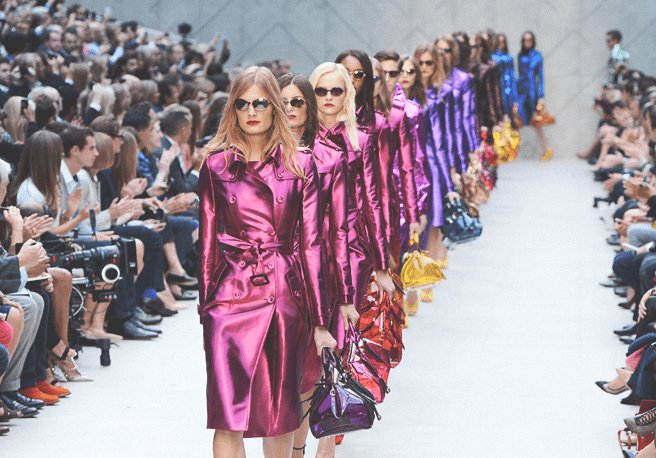
The modern world faces significant environmental challenges, including global warming, water and air pollution, and the depletion of natural resources. These issues are largely driven by human activity, with consumption playing a key role. The demand for goods and services fuels production, often without considering the environmental impact. The fashion industry, in particular, holds a unique position in this context, shaping cultural and social trends while also bearing substantial economic weight. However, behind the glamorous shows and glittering storefronts lies a considerable environmental footprint.
How Fashion Can Become More Sustainable
The fashion industry is on the brink of significant change. Growing environmental awareness is prompting designers, manufacturers, and consumers to rethink their approaches to creating and consuming clothing. Let’s explore key alternatives and solutions that can make fashion more sustainable and environmentally responsible.
What is Sustainable Fashion?
Sustainable fashion is an approach to designing, producing, distributing, and consuming clothing that considers environmental, ethical, and social aspects to minimize negative impacts on the environment. One of the most crucial steps towards sustainability is choosing materials with a lower environmental footprint.
Organic Materials
Clothing made from organic materials is safer for the skin and offers natural ventilation. Natural fibers are grown without pesticides or chemical fertilizers, reducing soil and water pollution.
Recycled Materials
Using recycled materials lessens the burden on natural resources, reducing waste and the energy required to produce new materials. For example, producing recycled polyester consumes up to 59% less energy than producing new polyester.
Ethical Production
A sustainable approach to fashion involves not only environmental but also social responsibility. Ethical production ensures fair labor practices and safe working conditions.
Conscious Consumption
Protecting the environment is not solely the responsibility of businesses. Each of us can make a difference by changing our consumption habits.
Capsule Wardrobe
Choosing quality over quantity reduces consumption and our environmental footprint. A capsule wardrobe consists of versatile pieces that can be easily mixed and matched, creating various outfits. This not only decreases the need for new purchases but also helps define personal style.
Resale
Buying and selling second-hand clothing reduces waste and the resources needed to produce new clothing. It’s also an excellent way to acquire quality items at affordable prices.
Upcycling
Instead of discarding clothing with minor damages, consider repairing or transforming it into something new. Upcycling is a creative process that allows for the creation of unique pieces while conserving resources and reducing waste. For example, old jeans can be turned into shorts or a bag.
Global Brands Supporting Sustainability
Despite statistics showing that consumers are not always willing to pay more for eco-friendly products, many brands are transitioning to using sustainable materials and ethical production processes. Here are some global brands leading the way:
Nike
Nike is committed to sustainability through collections of clothing and footwear made from recycled materials. The company aims to return at least 80% of supply waste into new products by 2025. Nike collects unwanted items at special points, often in their stores, for donation or recycling.
Levi Strauss & Co.
Levi Strauss & Co. has implemented technologies to reduce energy consumption and water usage in their production processes. The brand also participates in programs aimed at recycling old jeans, helping to avoid tons of waste.
VEJA
Transparency is a core value for VEJA, as evidenced by their open information about the materials they use. Since October 2021, VEJA’s material suppliers have been required to provide test reports confirming the absence of common hazardous chemicals in their products. The procurement team has developed a policy to monitor and control the entire production chain.
Conclusion
As environmental awareness grows, more brands are investing in sustainability and implementing eco-friendly business solutions. By choosing sustainable materials, supporting ethical production, and adopting conscious consumption habits, we can all contribute to a more sustainable fashion industry. For more information on sustainable fashion, visit Statista.