Empowered and Beautiful: Advocates Redefine Fashion, Healthcare, and Social Media
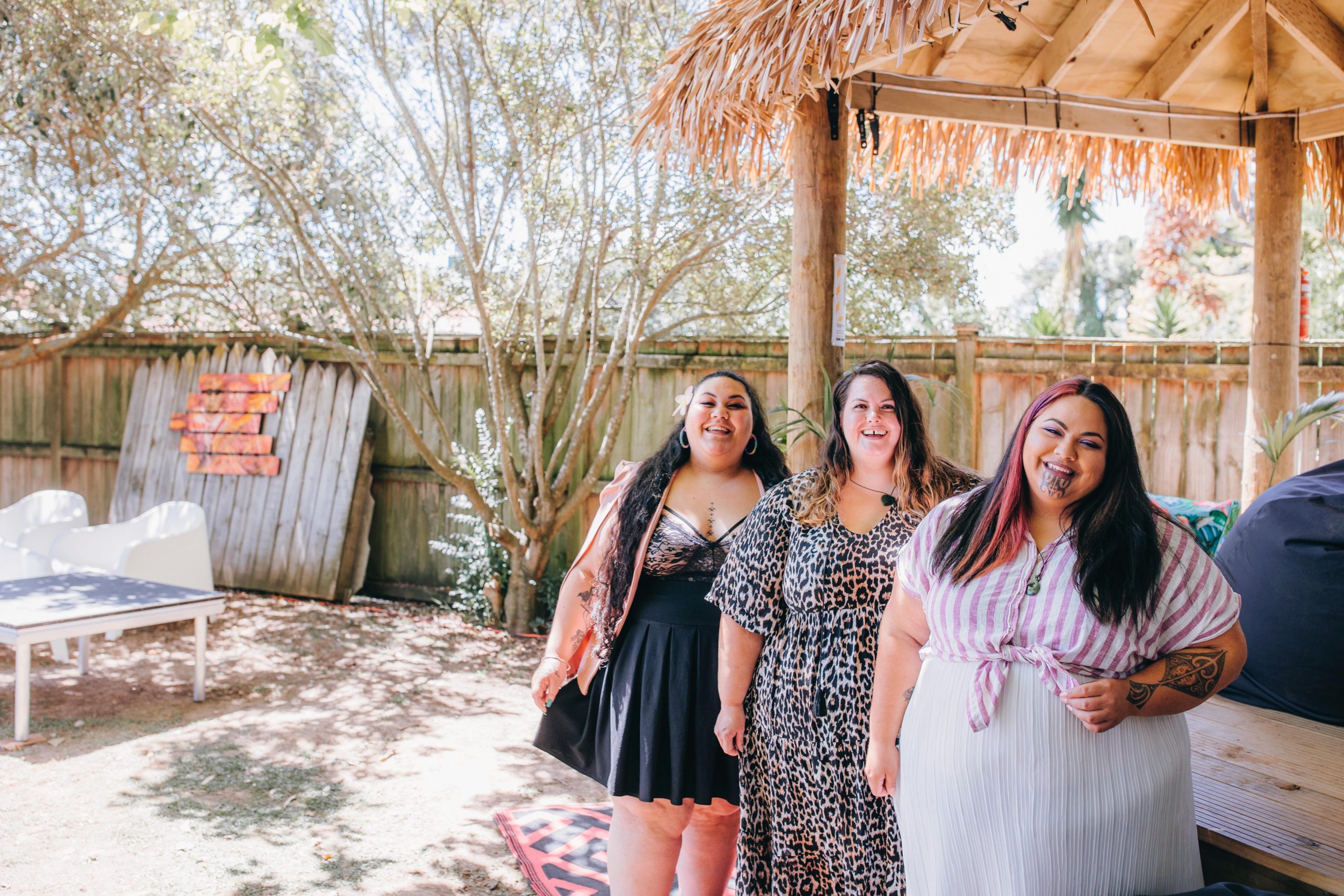
Empowering Voices: Advocates for Change in Social Media, Fashion, and Healthcare
Fat liberation activists MahMah Timoteo, Meagan Kerr, and Siobhan Tumai share their journeys of self-acceptance, the challenges they face in fashion and healthcare, and the impact of online advocacy.
Social Media: A Double-Edged Sword
For these advocates, social media has been a lifeline, both personally and for their community. Siobhan credits MahMah with helping her embrace self-acceptance, while MahMah found inspiration in Meagan’s online presence. Meagan, in turn, points to trailblazers like Tess Holliday as her catalyst. Together, their collective reach exceeds 41,000 Instagram followers, offering visibility and hope to individuals navigating a world that often dismisses them.
“There’s a spark of hope when people see you—just a person loving fashion, living unapologetically,” Siobhan explains. The impact is tangible: followers frequently message them about life-changing realizations. Yet, amid the gratitude, there’s relentless harassment—reminding them why their work matters.
The emotional toll is undeniable. Meagan describes the exhaustion of “reliving trauma constantly” for public consumption, while MahMah highlights the unpaid labor behind their advocacy: researching, responding, and creating content without compensation. “It’s not just pulled from thin air,” she says. “It’s lived experience, and people take advantage of that.”
Still, the platform has its rewards. Social media connected them to one another and amplified their voices. As MahMah reflects, “If I step back now, what opportunities—and people—do I miss?” The validation, while double-edged, counters a lifetime of societal rejection. “After being told you’re worthless, ugly, and unlovable,” she admits, “those likes and messages do feel good.”
The Fashion Industry’s Shortcomings
The plus-size fashion market is a paradox: the average woman wears a size 16, yet most “plus-size” brands start at size 12 and cap at 24—if not lower. Beyond that, options shrink to basic colors and fast-fashion scraps. For those above a size 24, the message is clear: You don’t deserve to be seen.
“It’s like they’re saying, ‘Hide because you’re not allowed to be cute,’” MahMah says. Siobhan frames it as body privilege: “Straight-size people walk into any store, try things on, and leave with what they love. We don’t get that.”
The scarcity forces reliance on fast fashion—a moral dilemma for these advocates. “People ask, ‘Why do you need so many clothes?’” MahMah counters. “To feel human.” Even well-meaning recommendations often miss the mark: “I’ll get tips about stores that ‘go up to size 24’—as if that’s helpful when I’m a 28–32.”
The solution? A radical shift. MahMah points to UK retailer Yours Clothing, which serves sizes up to 40: “I cried when I saw that. That’s the future—size 24 as the new 16. We’ve always existed; now we’re demanding respect and cute clothes.”
Yet “plus-size” labeling itself is problematic. When size-12 individuals are classified as plus, it fuels disordered eating. “They panic-diet to escape the label,” MahMah warns, “and that’s how eating disorders start.”
Healthcare: Bias, Neglect, and Self-Advocacy
Bias in medicine is systemic. Crash diets and extreme weight loss are praised for some patients but flagged as red flags for others. “Eating disorders are encouraged when you’re fat,” MahMah states. Meagan adds, “Unless you have a rare, supportive doctor—which most of us don’t.”
The three refuse to weigh themselves unless medically necessary. “Numbers are a tool to make us feel worthless,” Siobhan asserts. MahMah avoids even glancing at the scale: “It’s just a number. It means nothing.”
Seeking care often requires aggressive self-advocacy. Patients face dismissed symptoms, delayed diagnoses, and outright avoidance. “People skip doctor visits for a decade because they’re terrified,” MahMah says. “They’d rather suffer than endure the judgment.” The result? Preventable conditions progress unchecked.
Meagan ties poor health outcomes to systemic neglect: “I don’t believe fat people are sicker—I think we’re ignored until it’s too late.”
Siobhan’s message is unequivocal: “You deserve love and respect—no matter your size, health, ability, race, or religion. The only exceptions? White supremacists and homophobes.”