Eco-Conscious Endings: Green Choices for Your Final Resting Place
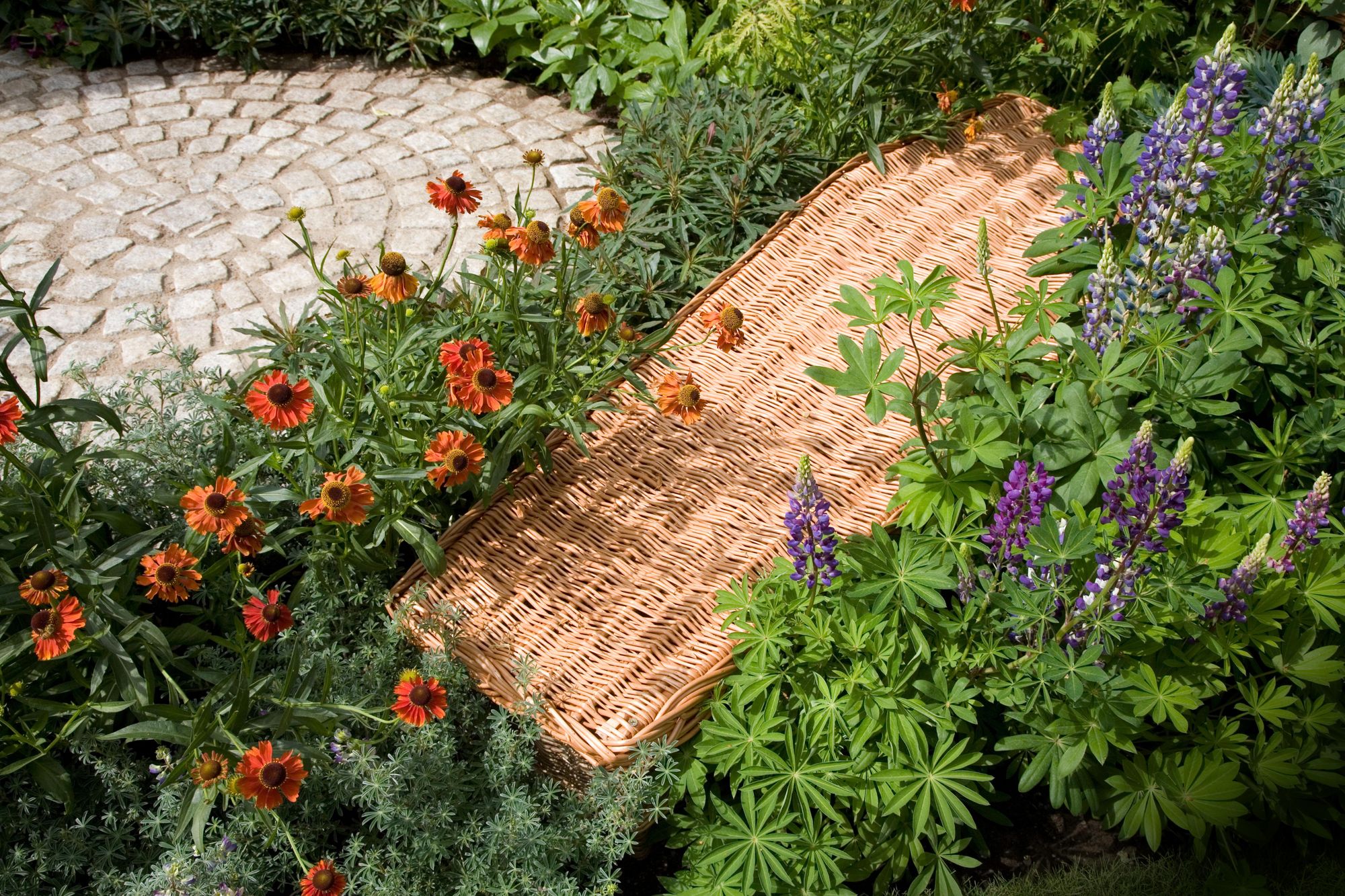
Planning for the end of life is a deeply personal journey, influenced by our values, beliefs, and desires. For those passionate about sustainability, this process offers a unique opportunity to make a final, meaningful eco-conscious choice. Let’s explore some innovative and traditional green options for your final resting place.
Rethinking Cremation: A Greener Approach
Cremation is a popular choice, with around 70% of New Zealanders opting for this method. However, traditional cremation is energy-intensive and releases pollutants. Enter water cremation, also known as alkaline hydrolysis, a more sustainable alternative practiced in countries like Australia, the USA, and Canada. This process uses a solution of hydrogen peroxide and water to gently dissolve the body, leaving only bones and wastewater. The bones can be returned to the family, and the wastewater can nourish forests or be treated. Water cremation uses significantly less energy than traditional methods and emits no toxic pollutants. With cemeteries facing space constraints and potential updates to the Burial and Cremation Act, this eco-friendly option may soon be available in New Zealand.
Natural Burials: Returning to Our Roots
Natural or green burials are gaining traction in New Zealand, with more cemeteries offering this option. This practice, rooted in various cultures including Māori traditions, focuses on biodegradability and simplicity. Here’s what sets natural burials apart:
- Biodegradable coffins or shrouds, and personal belongings
- No embalming fluid to prevent soil contamination
- Bodies buried approximately 800mm below the surface for faster decomposition
- No concrete vaults or headstones; instead, simple wooden markers and native trees are planted
Over time, these gravesites blend back into the native bush, creating a serene and natural memorial.
Embalming Alternatives: Keeping It Natural
Embalming is not always necessary. In fact, avoiding embalming can eliminate the use of harmful chemicals like formaldehyde. There are several natural alternatives to consider:
- Air conditioning and refrigeration at funeral homes
- Ice packs, dry ice, or cooling blankets for home care
- Natural body care using essential oils and restorative creams, as practiced by companies like The Natural Funeral Company in Auckland
Eco-Friendly Coffins and Shrouds: Simple and Sustainable
When it comes to coffins and shrouds, there are plenty of biodegradable options to choose from:
- Materials like cardboard, untreated wood, willow, flax, and wool
- Water-based glues and natural linings and handles
- Personalized cardboard coffins with jute handles, offered by companies like Outside the Box Caskets
- Shrouds made of cotton, silk, linen, or wool, favored in Judaism and Islam traditions
- Harakeke (flax) mats, a traditional Māori practice that some funeral companies are reviving
Donating to Science: A Gift of Knowledge
If it aligns with your personal or religious beliefs, donating your body to science is another option to consider. Institutions like the University of Auckland and the University of Otago accept bodies for research, teaching, and scientific studies. While bodies still need to be embalmed and eventually cremated, this choice can contribute to valuable advancements in various fields. Organ and skin donation is another generous option, with the possibility of burial or cremation afterward.
Human Composting: A New Frontier
While not yet available in New Zealand, human composting is a groundbreaking option legal in a few US states. Companies like Recompose in Seattle are pioneering this process, where bodies are transformed into soil. The body is placed in a vessel with wood chips, alfalfa, straw, and other plant material for 30 days, breaking down into nutrient-rich soil that can be returned to families or donated to a forest. This process uses just one-eighth of the energy required for traditional cremation.
For more information on natural burials, visit naturalburials.co.nz.