Discover the Delights of Foraging: Your Ultimate Guide to New Zealand’s Edible Seaweeds
Discover the Delights of Foraging: Your Ultimate Guide to New Zealand’s Edible Seaweeds
Embark on a culinary adventure with our comprehensive guide to New Zealand’s edible seaweeds. Foraging for these oceanic superfoods has never been more exciting!
The Wonders of New Zealand Seaweeds
New Zealand’s coastal waters are home to approximately 1000 seaweed species, many of which are not only edible but also packed with essential nutrients like iodine, vitamins, and protein. With such a vast variety, there’s always something new to try in your kitchen. Plus, with only one known poisonous species, seaweeds are a safer foraging option compared to mushrooms.
Top Edible Seaweeds in New Zealand
Sea Lettuce (Ulva lactuca)
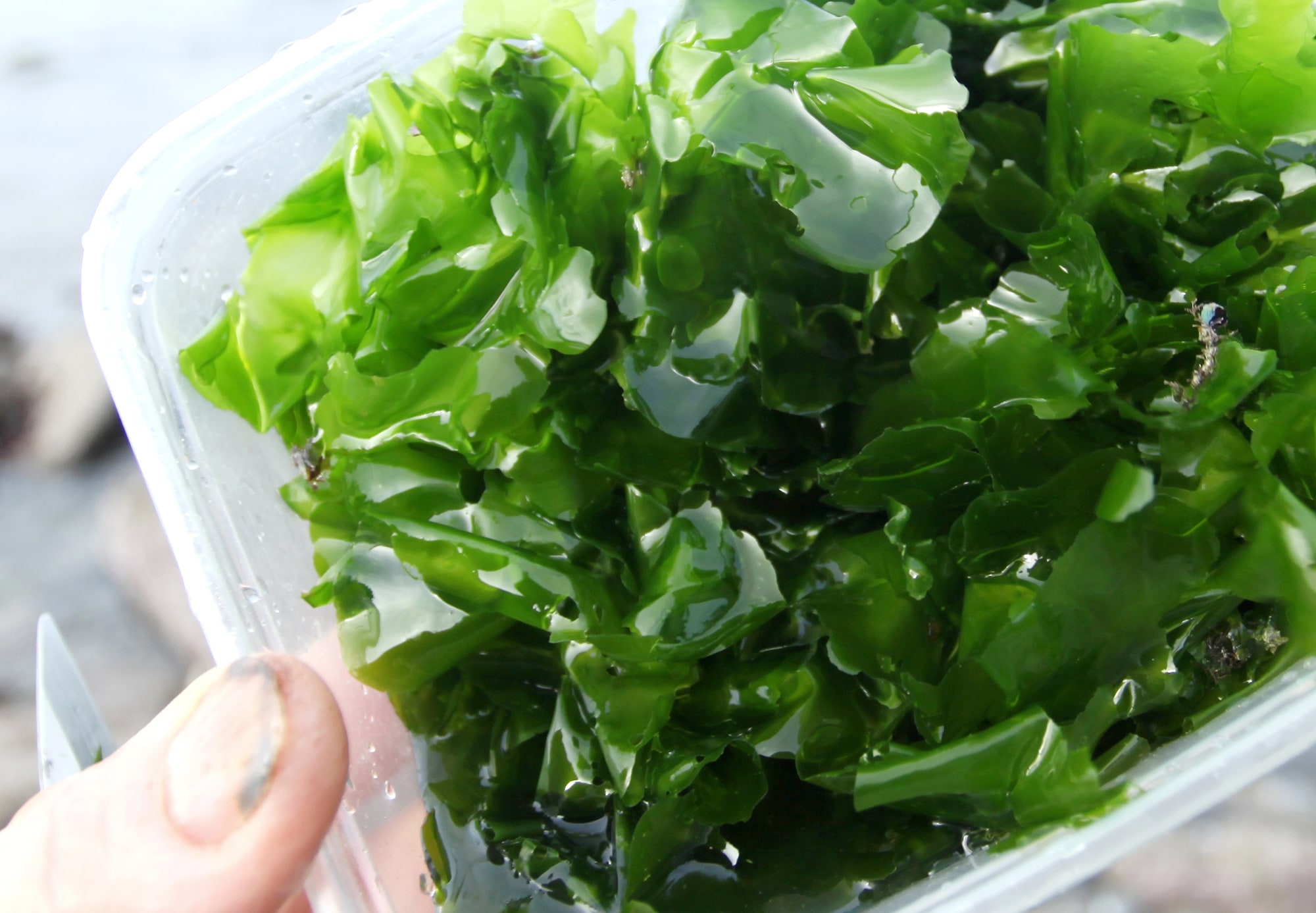
Sea lettuce is easily recognizable by its thin, translucent, and bright green leaves. It thrives in clear, shallow seawaters around New Zealand’s coast and is best harvested in spring. Look for it in local harbours, estuaries, and coastlines during low tide.
- Only pick fresh sea lettuce.
- The larger plants offer the most tender and best-tasting blades.
- Enjoy its crunchy texture and lightly salty sea flavor.
- Use fresh in salads, soups, and seafood dishes.
- Once dried, it becomes delicate and crumbly, perfect for wrapping foods like fish, rice, or vegetables, similar to a nori sushi sheet.
- It can also replace tinfoil when steaming fish to seal in flavor.
- Chop and fry until crispy for a delightful snack.
Wakame (Undaria pinnatifida)
Wakame is a sweet-tasting sea vegetable found around much of Aotearoa. It’s highly versatile and should be gathered when it has a uniform color with no signs of discolouration or worn edges. Use a short knife to cut off the entire plant, as the frilled base can be dried and used.
- Ideal for miso soup when fresh.
- Fry in olive oil with cracked pepper for a tasty dish.
- It turns a deep green color when cooked, making it a visually appealing addition to salads.
- Sprinkle dried wakame on top of smoked fish.
- Grind dried wakame with coarse sea salt to make a flavored salt seasoning for salads, vegetables, and fish and meat dishes.
- Use ground wakame to make a stuffing with couscous or rice.
Karengo (Pyropia columbina)
Karengo, a red seaweed closely related to Japanese nori and Welsh laver, is a delicacy to Māori and Europeans. It grows on intertidal rocks on exposed coasts and is picked and sun-dried during the winter months.
- Cook karengo by boiling it in 2-3 cups of water with salt and butter for 30 minutes.
- Ideal for frying, it can be cooked alongside bacon or smoked fish, or fried in a mix of olive oil and butter with cracked black pepper.
- Add sesame seeds to fried karengo for an extra crunchy texture.
- Karengo can keep for at least a year in dry conditions.
Bladder Kelp (Macrocystis pyrifera)
Often referred to as “kelp,” this species is one of the healthiest seaweeds found in New Zealand’s waters. It’s a great source of vitamins A, B, D, and E, with high amounts of trace elements. Readily available around the South Island, this brown seaweed can be found on the low-tide mark and below. It has a seasonal growth pattern and is best harvested in late spring and summer.
- Harvest fresh leaves near the tip of the stem – the large flattened leaves are best for eating.
- Dry out and grind down blade-shaped leaves for a seaweed pepper. Mix with sea salt and add to seafood dishes. (Pepper will also stay fresh for a year if stored in an airtight container.)
- Rapid drying is best done over the summer when a warm north-westerly wind allows rapid dehydration.
- Make seaweed “potato” chips by baking dried leaves in the oven for a short period, with a little olive oil added for extra taste.
- Cut fresh leaves into strips, blanch slightly to turn them bright green, and add to a salad.
For more information on sustainable foraging practices, visit the Department of Conservation website.