Crown Lynn – A Māori Story
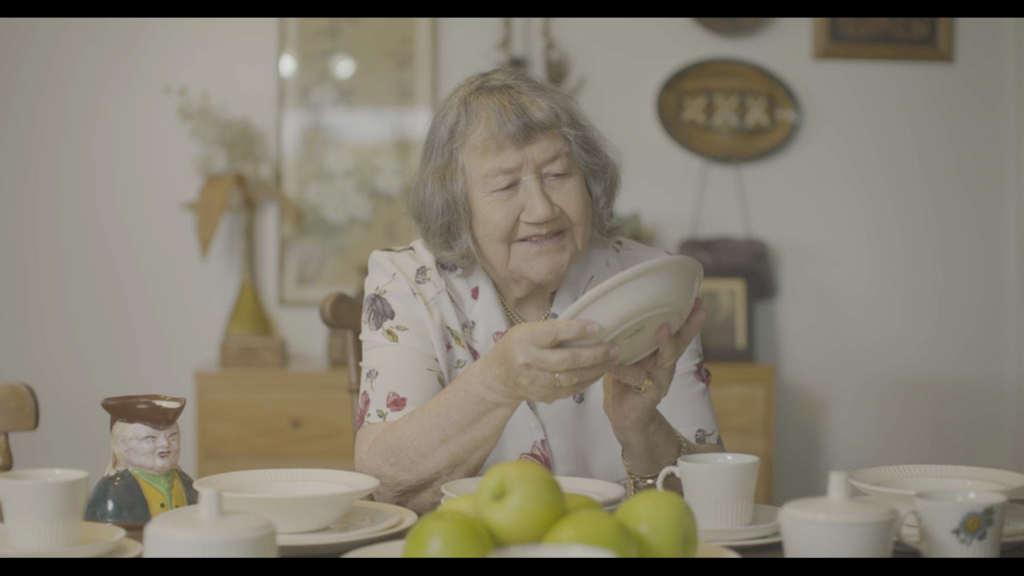
Crown Lynn: A Story of Māori Heritage
A new and captivating documentary reveals the untold stories of generations of Māori families who played a pivotal role in creating a New Zealand icon.
Crown Lynn’s Legacy
For half a century, Crown Lynn was the largest ceramics factory in the southern hemisphere. Situated in West Auckland, the factory was a cultural hub that opened in 1943, during the post-war era, and closed in the late 1980s. Over the years, it produced a wide range of products sold throughout New Zealand and overseas. The Crown Lynn documentary offers a rare and valuable glimpse into the past, highlighting Māori migration, race relations, manaakitanga, and whānau.
A Personal and Professional Journey
For Executive Producer Jade Maipi of Mahi Tahi Media, the project was both personal and professional. “Crown Lynn is iconic to New Zealanders, an institution and home for West Auckland whānau, and a significant part of life for many Māori families, including mine,” says Jade Maipi. “I didn’t fully grasp the fascination with Crown Lynn crockery. What I discovered was an incredible story of Māori and Pākehā working together in a post-war era when the industry in Aotearoa was thriving.”
Honoring the Past
Producer/Director Susan Leonard emphasizes the responsibility of honoring the stories of those who have passed. “We are incredibly grateful to the family members who spoke for their loved ones and to all our on-screen contributors for sharing their time and knowledge to make this documentary possible,” says Susan Leonard.
“Hemara Hemara initially declined our invitation to be part of this documentary. We drove to the Hokianga to gently persuade him. Filming him making a mould in his back shed was one of my personal highlights. His skilled hands working the clay, the lines on his face telling countless stories. Hemara’s wife, Francis, also makes the best tomato on crackers.”
“You will laugh. You might even cry. But you will be captivated by the stories.”
For nearly 50 years, Crown Lynn was the largest ceramics factory in the southern hemisphere. It was a melting pot of rich culture during a time when hundreds of Māori were migrating to the city to find work.
Learn more about this fascinating story here.