Ballet Dancer Denis Klimuk: The Strength of Ballerinas in Pointe Shoes
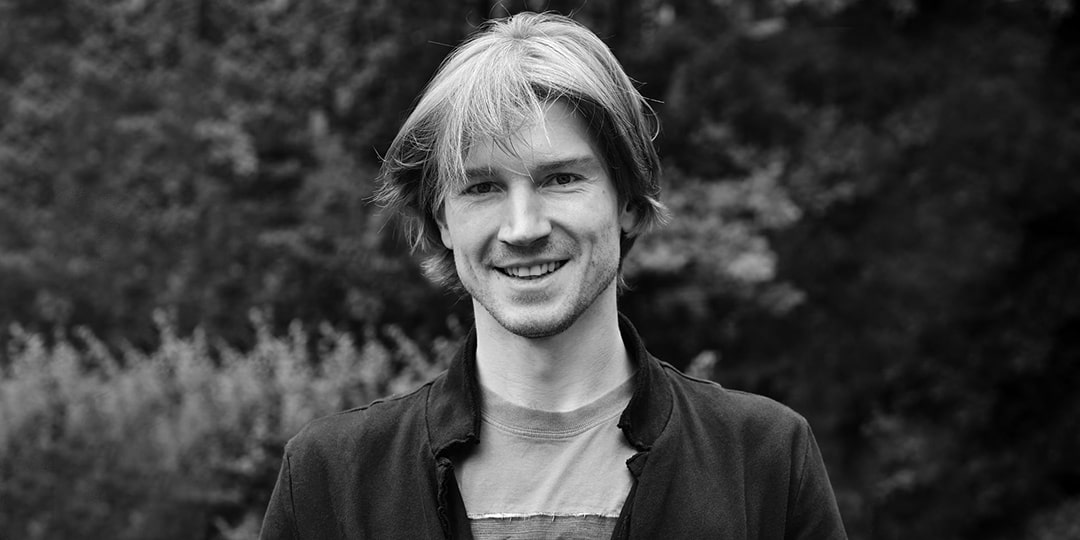
Denis Klimuk: A Ballet Dancer’s Journey
Denis Klimuk is a ballet dancer who holds a special place in the hearts of Belarusian audiences. During his decade-long tenure at the Bolshoi Theater, he participated in nearly all performances. With his ideal physique, he even served as the model for the sculpture of Apollo, the patron of the arts, which now adorns the facade of the Bolshoi Theater of Opera and Ballet.
Life in St. Petersburg
Currently, Denis resides in St. Petersburg and is a successful dancer at the Leonid Yakobson Ballet Theatre. We had the opportunity to speak with him during his recent visit, invited by Valentin Elizariev, to perform in “Romeo and Juliet.”
Influence of St. Petersburg
“I often reflect on the many great individuals who lived, created, and produced unique masterpieces in this city,” Denis shares. “We’re not just talking about ballet, but also literature, painting, and all forms of creativity. The atmosphere of St. Petersburg is like a constant celebration, filled with magic and wonder, reminiscent of the anticipation of New Year and Christmas in childhood. This city never sleeps; life is always bustling, with many interesting events happening simultaneously in different places.”
For any artist, it’s crucial to be aware of their surroundings, meet colleagues from other countries, and representatives of different schools. Denis expresses his desire to experience it all, but due to his busy schedule, he must make choices.
From Folk Dance to Classical Ballet
Denis studied folk dance at the Belarusian Choreographic College. Valentin Dudkevich, the artistic director of the State Dance Ensemble of Belarus, invited him to join after his final exam. However, Denis declined, expressing his desire to continue studying to join the Bolshoi Theater of Belarus.
Valentin Elizariev did not immediately accept Denis into the theater, stating that he needed more training. He arranged for Denis to continue his studies with Alexander Kolyadenko, the artistic director of the choreographic college. Denis received his diploma but stayed at the college, attending various classes, including classical and duet dance. After a year, he was accepted into the Belarusian Bolshoi Theater.
Memorable Performances
Belarusian ballet enthusiasts still remember and love Denis, as evident from the warm ovations after his recent performance in Minsk. Some roles and performances are particularly beloved by the audience. For Denis, one of these is “Romeo and Juliet.”
“When I first joined the ballet in the roles of Tybalt and Mercutio, many young artists made their debuts simultaneously,” Denis recalls. “We broke five or six swords during rehearsals. There were many emotions; even when you’re fighting pretend, you get caught up in the excitement.”
The Challenge of Playing the Villain
Playing a negative character like Tybalt, a haughty aristocrat, was challenging for Denis. “You have to imagine what it’s like to despise people, to look down on them, considering everyone inferior,” he explains. “When you first encounter a negative character, you don’t know how to portray them. After all, boys in college are trained to be princes, knights, noble, romantic, and kind. And in life, we want to be good and friendly; no one teaches us to be bad.”
The Art of Ballet
Denis believes that while technique is essential, it’s not the sole focus of ballet. “Many young artists today chase crazy technique and virtuosity,” he says. “But people don’t come to the theater just for tricks. Technique is a means of expressing emotions and creating an image. Theater is not sport or circus; it’s spirituality. The audience should be immersed in the story and drama, not just observing who jumps how and what color their costume is.”
Life After Minsk
Denis left Minsk in 2013 for various reasons, including personal ones. His travels over the past decade have significantly expanded his outlook on life and art.
The Strength of Ballerinas
Denis shares an interesting insight into the world of ballet: “I constantly thought about how much one must hate women to put them on pointe shoes. They are incredibly challenging not just for dancing, jumping, and spinning, but even for standing. This is a stark reminder that women in ballet are much stronger than men. Ballerinas may appear fragile, but internally, each one is a very strong individual.”
For further insights into the world of ballet, you can visit the American Ballet Theatre website.