Can You Reverse Hair Loss with the Right Diet? Science-Backed Foods to Try
Thinning Hair? Your Diet Might Be the Missing Piece
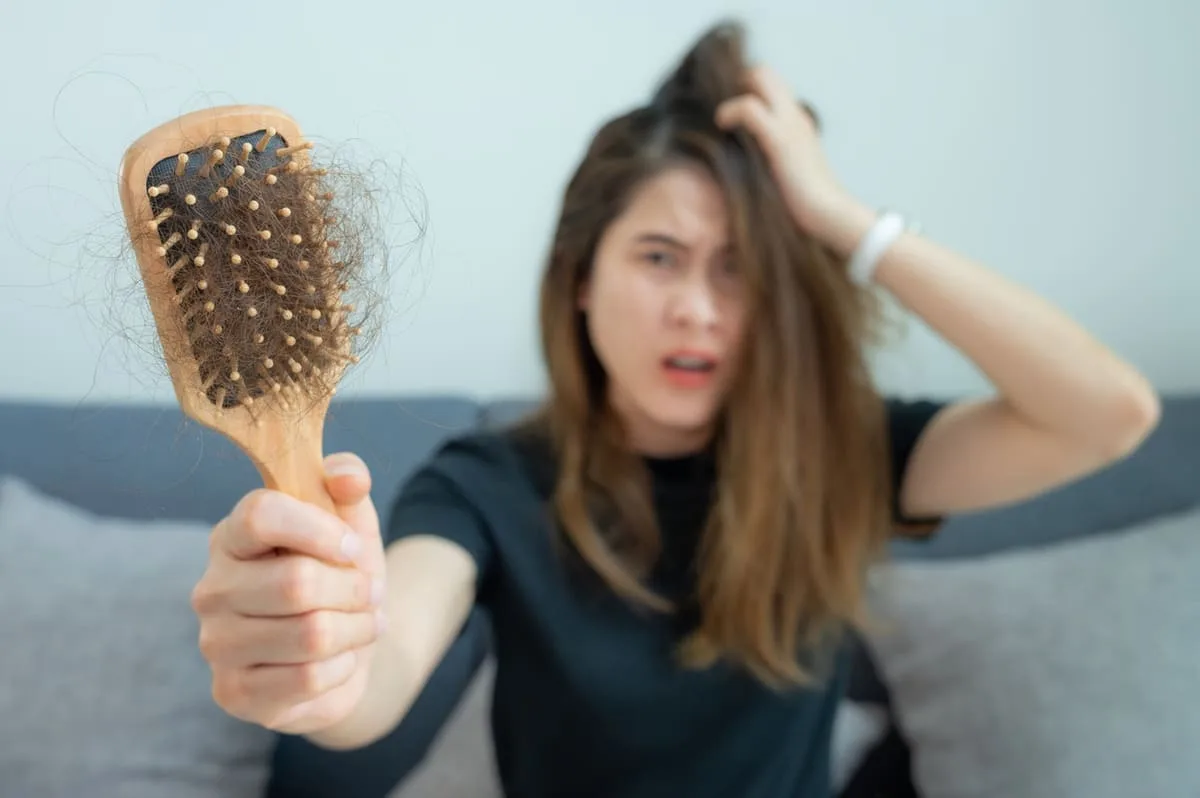
If your hairbrush is collecting more strands than usual, you’re not alone. While losing 50 to 100 hairs a day is normal, the real issue starts when new growth doesn’t keep up. Over time, this can lead to noticeable thinning, a wider part, or a lack of volume that’s hard to ignore. For many, especially women experiencing hormonal shifts, hair loss can feel frustrating—even alarming.
There’s no shortage of shampoos, serums, and treatments promising thicker, fuller hair. Some work, but topical solutions only go so far if your body isn’t getting the right nutrients from within. Hair health is deeply tied to overall health, and what you eat plays a major role in how well your hair grows, repairs, and stays strong.
Can Diet Really Help Reverse Hair Loss?
Hair loss, or alopecia, can stem from genetics, hormones, stress, or even your diet. Research suggests that certain nutrients can support hair regrowth, particularly for conditions like androgenetic alopecia (AGA), where genetics play a role. A study published in Dermatology and Therapy found that micronutrients like vitamin D, iron, and vitamin C can positively impact hair health, especially in cases of AGA. For those with alopecia areata (AA), where the immune system attacks hair follicles, vitamin D may also offer benefits.
While supplements like biotin are often marketed as hair and nail saviors, the science doesn’t fully back up their effectiveness for AGA or AA. In fact, biotin can interfere with lab test results. Always consult your doctor before starting any new supplement regimen.
Since hair loss has many potential causes, there’s no one-size-fits-all solution. However, boosting your intake of key vitamins and minerals—especially through whole foods—is a safe and proactive step. These nutrients not only support hair health but also contribute to overall well-being, from immune function to energy levels.
Top Foods to Fight Hair Loss Naturally
If you’re ready to take a food-first approach, focus on these nutrient-dense options to nourish your hair from the inside out.
Vitamin C: The Collagen Booster
Vitamin C is a powerhouse for hair health. It aids in collagen production, which strengthens hair strands, and helps your body absorb iron—a mineral critical for hair growth. While oranges are a classic source, they’re not the only (or even the best) option.
- Guava: This tropical fruit packs a whopping 671 mg of vitamin C per 200 calories—that’s 746% of your daily needs.
- Bell Peppers: Red bell peppers deliver an impressive 1091% of your daily vitamin C in just 200 calories. They’re also rich in fiber and antioxidants. Stick to red peppers, as they contain nearly twice the vitamin C of green ones.
Vitamin D: The Sunshine Nutrient
Known as the “sunshine vitamin,” vitamin D is produced by your body when exposed to sunlight. However, deficiencies are common, especially in colder climates or for those who spend most of their time indoors. Low vitamin D levels have been linked to hair loss, particularly in cases of alopecia areata.
- Salmon: A 200-calorie serving of salmon provides more than your daily vitamin D requirement. It’s also rich in omega-3 fatty acids, which nourish hair follicles.
- UV-Exposed Mushrooms: Crimini mushrooms exposed to sunlight or UV light contain nearly 1450% of your daily vitamin D needs per 200 calories. A great option for vegetarians!
- Fortified Foods: Many everyday staples, like milk, yogurt, cereals, and tofu, are fortified with vitamin D, making it easier to meet your daily needs.
Iron: The Hair Growth Essential
Iron deficiency is one of the most common causes of hair loss, especially in women. Iron helps red blood cells carry oxygen to your hair follicles, promoting growth and strength. Without enough iron, your hair can become thin, brittle, or slow to grow.
- Red Meat: Beef is a well-known source of heme iron, which is easily absorbed by the body. Opt for lean cuts to keep saturated fat in check.
- Shellfish: Oysters, clams, and mussels are iron-rich powerhouses. A 200-calorie serving of oysters provides 63% of your daily iron needs. Other seafood like cuttlefish, whelks, and octopus also deliver a significant dose.
- Spinach and Leafy Greens: For vegetarians, spinach is an excellent iron source. Pair it with vitamin C-rich foods (like bell peppers or citrus fruits) to enhance absorption. Lentils, dried beans, and pumpkin seeds are other great plant-based options.
Other Key Nutrients for Stronger, Healthier Hair
While vitamin C, D, and iron are heavy hitters, they’re not the only nutrients your hair needs. A well-rounded diet should also include:
Protein: The Building Block of Hair
Hair is made primarily of keratin, a type of protein. Without enough protein in your diet, your body can’t produce new hair strands effectively. Aim for a variety of protein sources to support growth and repair.
- Eggs (especially the yolks, which also contain biotin)
- Greek yogurt
- Lean poultry (chicken, turkey)
- Fish (salmon, tuna, sardines)
- Beans and lentils
Omega-3 Fatty Acids: Nourish the Scalp
Omega-3s support scalp health and reduce inflammation, which can contribute to hair loss. They also help keep hair follicles hydrated and strong.
- Fatty fish (salmon, mackerel, sardines)
- Walnuts
- Chia seeds and flaxseeds
Zinc and Biotin: Prevent Breakage and Shedding
Zinc supports hair tissue repair and growth, while biotin (a B vitamin) helps produce keratin. A deficiency in either can lead to hair thinning or loss.
- Nuts and seeds (almonds, pumpkin seeds)
- Whole grains
- Eggs
- Oysters (also a great source of zinc)
Antioxidants: Protect Hair Follicles
Antioxidants combat oxidative stress, which can damage hair follicles and contribute to hair loss. Vitamins A and C, in particular, support collagen production and healthy sebum levels, keeping your scalp and hair moisturized.
- Berries (blueberries, strawberries)
- Citrus fruits (oranges, grapefruit)
- Sweet potatoes
- Carrots
What to Do If Diet Alone Isn’t Enough
A nutrient-rich diet creates the best foundation for healthy hair growth, but it’s not always a cure-all. If you’ve been eating well and still notice thinning, it’s time to dig deeper.
Start by tracking your diet for a few weeks to ensure you’re consistently getting enough of the key nutrients mentioned above. If you’re still not seeing results, consider the following steps:
- Get Tested: Ask your doctor to check for deficiencies in iron, vitamin D, vitamin B12, or thyroid hormones. These are common culprits behind hair loss.
- Manage Stress: Chronic stress can disrupt the hair growth cycle, leading to shedding. Practices like yoga, meditation, or even regular exercise can help.
- Review Your Hair Care Routine: Heat styling, harsh chemicals, and tight hairstyles can damage hair over time. Opt for gentle, sulfate-free products and avoid excessive heat.
- Consult a Specialist: If your hair loss is sudden, patchy, or accompanied by other symptoms (like itching or redness), see a dermatologist. They can help identify the root cause and recommend targeted treatments.
For most people, hair loss is a gradual process, and reversing it takes time. Be patient with yourself and your body. Focus on nourishing your hair from the inside out, and don’t hesitate to seek professional guidance if you need it.
Remember, while diet plays a crucial role, it’s just one piece of the puzzle. A holistic approach—combining nutrition, stress management, and proper hair care—gives you the best chance of restoring your hair’s health and vitality.
For more information on hair health and nutrition, you can refer to resources from the American Academy of Dermatology.