Gen Z Slang 101: The Ultimate Guide for Parents and Grandparents
Why Gen Z Slang Feels Like a Foreign Language
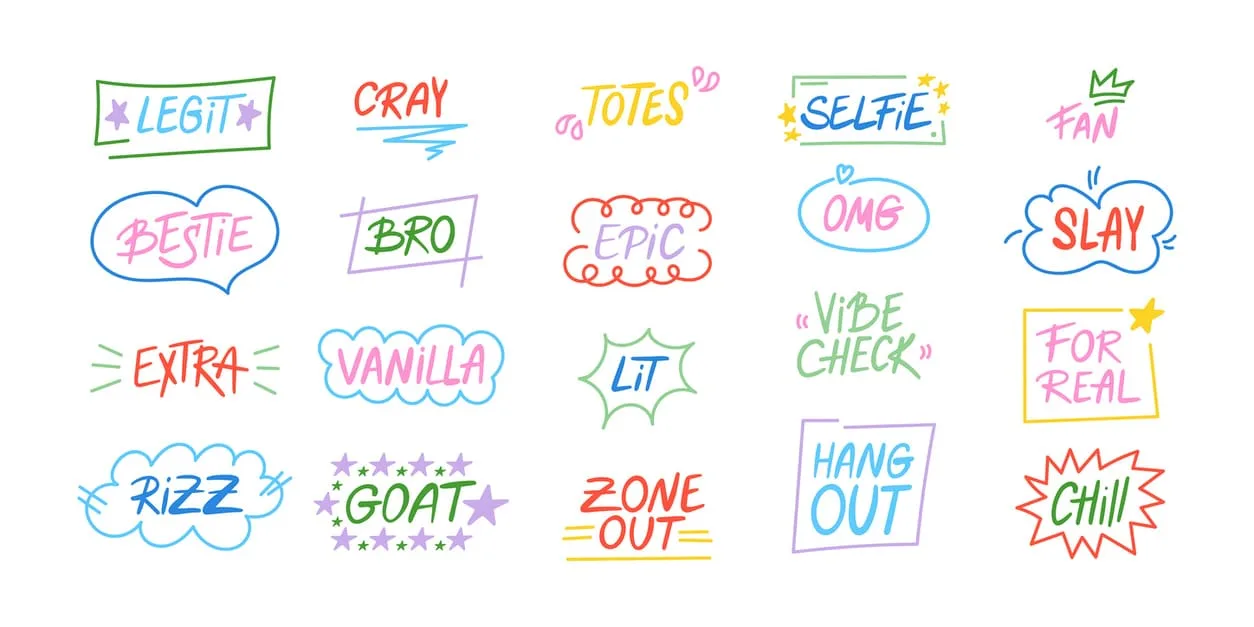
If your kids or grandkids are tossing around words that sound like they’re straight out of a sci-fi movie, don’t panic. Gen Z slang isn’t just random—it’s a reflection of how they communicate in a fast-paced, digital world. With memes, TikTok, and group chats shaping their language, brevity and creativity are everything. Words can shift meaning based on tone, context, or even the latest viral trend. The good news? You don’t need to memorize every term. A little understanding and a lot of kindness will get you through most conversations.
Your Cheat Sheet to the Most Popular Gen Z Slang
Below, you’ll find a breakdown of the slang you’re most likely to hear, complete with definitions, pronunciation tips, example sentences, and suggestions for how to respond. Think of it as your secret decoder ring for modern teen speak.
Rizz
Pronunciation: “Rizz” (rhymes with “fizz”)
Meaning: Short for charisma, this term describes someone’s ability to flirt, charm, or win people over. It can also refer to style or attractiveness.
Example: “He’s got mad rizz.”
How to respond: “Sounds like he’s got a way with words!”
Fam
Pronunciation: “Fam” (like “family” without the extra syllables)
Meaning: A shortened version of “family,” used to describe close friends or anyone you consider part of your inner circle, regardless of blood ties.
Example: “We had a great time with the fam at dinner last night.”
How to respond: “It’s always good to spend time with your fam.”
Cap / No Cap
Pronunciation: “Kap” (rhymes with “map”)
Meaning: “Cap” means lying or exaggerating, while “no cap” means “I’m serious” or “no lie.”
Example: “He said he finished his homework — no cap.”
How to respond: Smile and say, “No cap, huh? Got it.” Or ask, “Why would he cap about that?”
Sus
Pronunciation: “Suss” (rhymes with “fuss”)
Meaning: Short for suspicious or shady. If something seems off, it’s “sus.”
Example: “His excuse for being late was sus.”
How to respond: “That does seem suspicious — thanks for flagging it.”
Simp
Pronunciation: “Simp” (rhymes with “limp”)
Meaning: Someone who goes overboard to please or impress another person, often romantically. It’s usually said with a mix of humor and mild disapproval.
Example: “He bought her ten gifts — total simp energy.”
How to respond: Laugh it off: “We all have our simp moments!”
GOAT
Pronunciation: Letters G-O-A-T (like the animal)
Meaning: Stands for “Greatest Of All Time.” Used to describe someone or something that’s the absolute best in its category.
Example: “That actor is the GOAT.”
How to respond: “He is fabulous — GOAT status!”
Slay
Pronunciation: “Slay” (rhymes with “day”)
Meaning: To do something exceptionally well, especially when it comes to appearance or performance. Think of it as the ultimate compliment.
Example: “She slayed at the recital.”
How to respond: “Tell her Nana said she slayed!”
Bet
Pronunciation: “Bet” (rhymes with “debt”)
Meaning: A casual way to say “okay,” “sure,” or “I agree.” It can also mean “watch me” in a challenge.
Example: “You want to go later?” — “Bet.”
How to respond: Use it lightly: “Bet — sounds good to me.”
Mood
Pronunciation: “Mood” (rhymes with “food”)
Meaning: Something relatable or a feeling you share. If someone posts a picture of a cozy blanket and you say “mood,” it means you’re feeling the same vibe.
Example: Someone posts a picture of a cozy blanket and you say, “Mood.”
How to respond: Laugh: “That’s my mood today, too!”
Periodt
Pronunciation: “Peer-ee-uhdt”
Meaning: An emphatic way to say “period” — end of discussion. It’s like adding an exclamation point to your statement.
Example: “She’s the best — periodt.”
How to respond: “Periodt — love that conviction!”
Tea / Spill the Tea
Pronunciation: “Tee” (like the drink)
Meaning: “Tea” is gossip or the latest news. “Spill the tea” means to share the juicy details.
Example: “Spill the tea — what happened at the party?”
How to respond: “Oh honey, let me hear it — but keep it kind.”
Flex
Pronunciation: “Flex” (rhymes with “text”)
Meaning: To show off, often in a boastful way. It can refer to material things, achievements, or even skills.
Example: “Posting that new car is a big flex.”
How to respond: “They’re proud — as long as it’s not mean-spirited.”
Lowkey / Highkey
Pronunciation: “Loh-kee” / “H-eye-kee”
Meaning: “Lowkey” means secretly or slightly, while “highkey” means openly or definitely. These terms add nuance to how someone feels about something.
Example: “I lowkey want that dress.” / “I highkey love that song.”
How to respond: “Lowkey — I get that little wish. Highkey — louder for the people in the back!”
Glow Up
Pronunciation: “Gloh up”
Meaning: A major transformation for the better, whether it’s in appearance, confidence, or overall vibe. Think of it as a before-and-after makeover, but for life.
Example: “She had a huge glow up since college.”
How to respond: “She looks great — what a glow up!”
Yeet
Pronunciation: “Yeet” (rhymes with “feet”)
Meaning: An exclamation of excitement, surprise, or approval. It can also mean to throw something energetically.
Example: “Yeet!” when something great happens, or “He yeeted the ball.”
How to respond: Smile and ride the energy: “Yeet — that’s fun!”
Based
Pronunciation: “Baysd” (rhymes with “raised”)
Meaning: Confidently authentic or unapologetically true to oneself. Often used as a compliment for someone who stands by their beliefs or opinions.
Example: “That’s a based take.”
How to respond: “I like that — it’s refreshingly honest.”
OK Boomer
Pronunciation: “Oh-kay BOO-mer”
Meaning: A dismissive or playful response to an older person who’s seen as out of touch. It can be lighthearted or rude, depending on the context.
Example: A young person brushes off an older person’s comment with “OK boomer.”
How to respond: Best to laugh it off or say, “Tell me why — I might learn something.”
Bop
Pronunciation: “Bop” (rhymes with “top”)
Meaning: A very good song. If someone calls a track a “bop,” it means it’s a hit.
Example: “That new track is a bop.”
How to respond: “I’ll put it on — I love a bop.”
Fit
Pronunciation: “Fit” (rhymes with “bit”)
Meaning: Short for “outfit.” If someone says they love your “fit,” they’re complimenting your clothes.
Example: “Love your fit!”
How to respond: “Thank you — outfit choice made me feel good today.”
Cheugy
Pronunciation: “Chew-gee”
Meaning: Out of date or trying too hard to be trendy. It’s the opposite of cool.
Example: “That trend is cheugy now.”
How to respond: “Trends change — we’ve been there before!”
Sksksk / And I Oop
Pronunciation: “Sksksk” (a series of hissing laughs) / “And I oop” (like “oops”)
Meaning: “Sksksk” is a text-based way to express excited or nervous laughter. “And I oop” is a reaction to something surprising or awkward, often used humorously.
Example: “Sksksk I can’t” or “And I oop — did you drop it?”
How to respond: Laugh and mirror: “Sksksk — that made me smile.”
Rent Free
Pronunciation: “Rent free”
Meaning: Something (or someone) that stays in your head without paying rent. Often used for catchy songs, memes, or thoughts you can’t shake.
Example: “That jingle lives rent free in my head.”
How to respond: “Mine too — it’s stuck all day!”
FYP
Pronunciation: Letters F-Y-P
Meaning: Stands for “For You Page,” the personalized feed on TikTok where users see curated content.
Example: “It went viral on my FYP.”
How to respond: “TikTok has its own world — fascinating!”
Main Character Energy
Pronunciation: As written
Meaning: Acting like your life is a movie, with you as the star. It’s about confidence and unapologetically owning the spotlight.
Example: “She walked into the room with main character energy.”
How to respond: “Love that — own your scene!”
When to Play Along and When to Worry
Most Gen Z slang is harmless and even fun. If your grandchild calls a song a “bop” or says “mood” under a photo, it’s usually just a lighthearted way to connect. However, there are times when slang might signal something more serious.
Playful and Harmless
- Using slang to bond with friends or family.
- Exaggerating for comedic effect (e.g., “That test was so hard, I’m dead”).
- Sharing inside jokes or memes.
When to Pay Attention
While slang itself isn’t inherently bad, it’s worth paying attention if it’s used in the context of:
- Bullying: If slang is used to mock, exclude, or belittle someone, it’s a red flag. Terms like “simp” or “cheugy” can be used playfully, but they can also be hurtful if directed at someone in a mean-spirited way.
- Secrecy: If your child or grandchild suddenly starts using slang in hushed tones or hides their phone when you walk into the room, it might be worth a gentle conversation.
- Manipulation: Some slang terms can be used to pressure or guilt-trip others. For example, “You’re such a simp” could be a way to make someone feel bad for setting boundaries.
Final Thoughts: Embrace the Learning Curve
Gen Z slang might seem overwhelming at first, but remember: every generation has its own way of communicating. The key is to stay open-minded, ask questions when you’re curious, and most importantly, keep the lines of communication open. You don’t have to be fluent in slang to connect with the younger generation—just showing an interest in their world goes a long way.
And who knows? You might even find yourself using a “bop” or “slay” in everyday conversation. After all, language is always evolving, and that’s what keeps it exciting. For more insights into generational communication, check out this Pew Research Center study on how different age groups use technology and language.