How Much Fiber Do You Need Daily? The Surprising Truth for Women Over 50
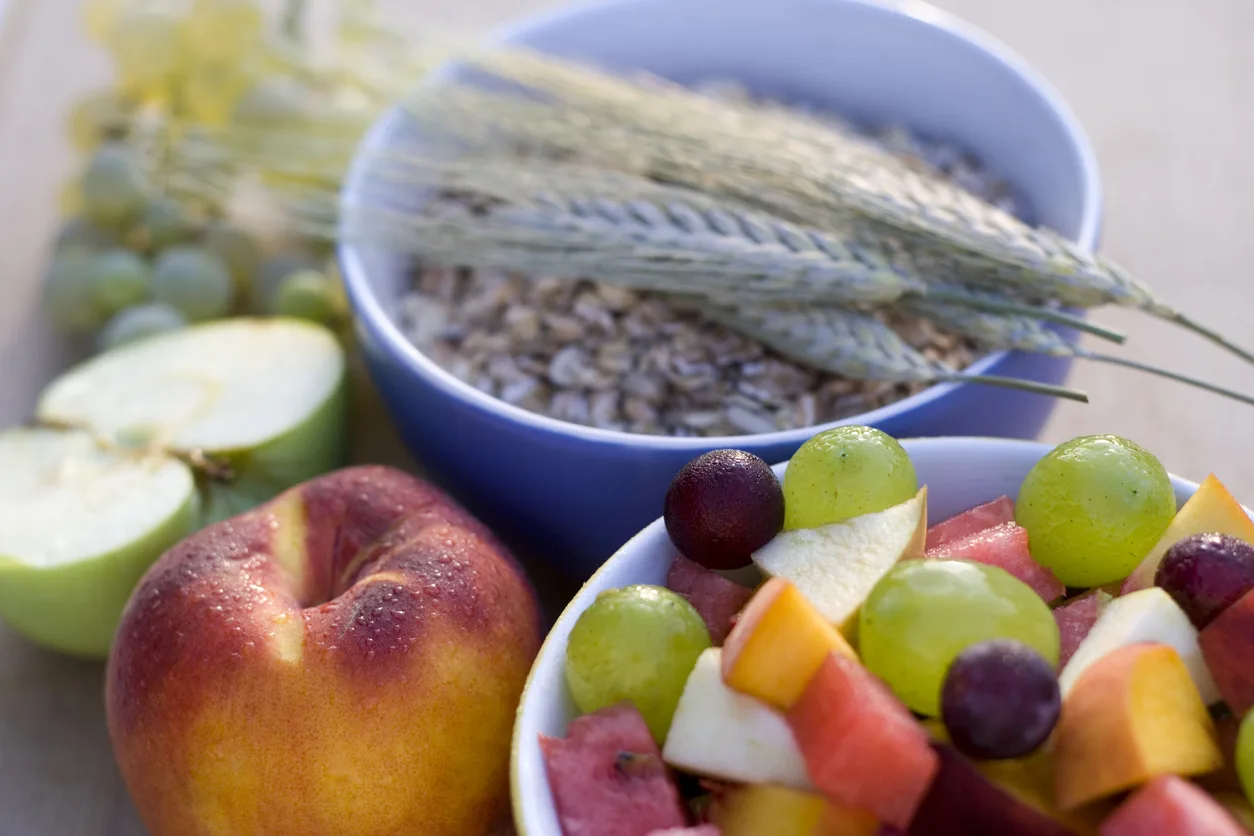
Why Fiber Matters More Than You Think
If you’ve ever asked yourself, “How much fiber do I need each day?” you’re not alone. Most Americans fall short—way short. While the average person consumes just 15 grams daily, women over 50 should aim for at least 21 grams. But why is fiber so critical, and how can you hit that target without feeling like you’re eating a forest?
What Exactly Is Fiber?
Fiber is the indigestible part of plant-based foods that moves through your digestive system, offering a host of benefits along the way. Unlike fats, proteins, or carbs, your body doesn’t break it down. Instead, it keeps things moving smoothly. There are two main types:
Insoluble Fiber
This type doesn’t dissolve in water. It adds bulk to your stool and helps food pass more quickly through your stomach and intestines. Think of it as nature’s broom, sweeping out waste and reducing the risk of constipation and hemorrhoids.
Soluble Fiber
Soluble fiber dissolves in water to form a gel-like substance. It slows digestion, helps control blood sugar, and can even lower cholesterol. If you’re watching your weight or managing diabetes, this is the fiber you want on your team.
Top Fiber-Rich Foods to Add to Your Plate
You don’t need to overhaul your diet to get more fiber. Small, smart swaps can make a big difference. Here are some of the best natural sources:
- Lentils – A powerhouse of fiber, with 15.6 grams per cooked cup. Perfect in soups, stews, or salads.
- Black beans – Packing 15 grams per cooked cup, they’re a versatile addition to tacos, burritos, or chili.
- Almonds – Just 1 ounce (about 23 nuts) delivers 3.5 grams. A great snack for on-the-go.
- Broccoli – 5.1 grams per cooked cup. Roast it, steam it, or toss it into stir-fries.
- Apples – One medium apple with the skin on gives you 4.4 grams. Crunchy, sweet, and satisfying.
- Quinoa – A complete protein and fiber source, with 5 grams per cooked cup.
- Brown rice – Swap white rice for brown to get 3.5 grams per cooked cup.
- Barley – A hearty grain with 6 grams per cooked cup, great in soups or as a side dish.
For the best results, aim to fill half your plate with fruits, vegetables, and whole grains at every meal. The more color and variety, the better!
The Science-Backed Benefits of Fiber
Fiber isn’t just good for digestion—it’s a game-changer for your overall health. Here’s what the research says:
- Reduces Risk of Chronic Diseases – A landmark study in The Lancet found that people who consumed 25-29 grams of fiber daily had a 15-30% lower risk of heart disease, type 2 diabetes, and certain cancers.
- Boosts Brain Health – Researchers at the University of Illinois discovered that dietary fiber reduces brain inflammation, which is linked to cognitive decline. For women in their prime, this is a major win.
- Supports Heart Health – A German study showed that fiber, combined with gut bacteria, strengthens the cardiovascular system. Meanwhile, a Harvard study found that women who ate more fiber had a lower risk of heart disease.
- Strengthens Immunity – In a study published in a medical journal, mice fed a high-fiber diet had stronger immune responses against the flu virus. While more research is needed in humans, the early signs are promising.
- Protects Against Colon Cancer – The American Institute for Cancer Research reports that whole grains, a rich fiber source, can reduce colon cancer risk by up to 47%. In a fascinating experiment, Americans who switched to an African-style, high-fiber diet for just two weeks showed fewer colon cancer biomarkers. Fiber helps protect the colon lining and prevents harmful microbes from damaging it.
Should You Take Fiber Supplements?
If you’re struggling to meet your daily fiber goals through food alone, supplements can help bridge the gap. But not all supplements are created equal. Here’s what to consider:
- Read the Label – Some supplements include additives for flavor or extra benefits (like antioxidants). Avoid unnecessary fillers or artificial ingredients.
- Start Slow – Too much fiber too soon can cause bloating or gas. Gradually increase your intake to let your body adjust.
- Try Natural Options – Chia seeds, flaxseeds, or psyllium husk are excellent whole-food alternatives to processed supplements.
- Listen to Your Body – If a supplement doesn’t agree with you, don’t force it. There are plenty of options, so experiment to find what works best.
That said, whole foods are always the best source. Supplements should be a last resort, not a first choice.
Can You Get Too Much Fiber?
While fiber deficiency is far more common, it is possible to overdo it. Consuming excessive amounts—typically more than 50 grams per day—can lead to:
- Bloating and gas
- Constipation (ironically, too much fiber can have the opposite effect)
- Nutrient malabsorption (fiber can interfere with the absorption of iron, zinc, magnesium, and calcium)
- In rare cases, intestinal blockage
For most people, hitting the recommended 21-29 grams per day is the sweet spot. If you’re increasing your intake, do it gradually and drink plenty of water to help fiber do its job.
Fiber Intake Guidelines: How Much Is Enough?
| Intake Level | Amount | Consequences |
|---|---|---|
| Too Little | Under 15 grams/day | Increased risk of chronic diseases, poor digestion |
| Recommended (Women 50+) | 21-22 grams/day | Optimal health benefits |
| Optimal Range | 25-29 grams/day | Maximum disease prevention |
| Too Much | Excessive intake | Bloating, nutrient malabsorption, digestive discomfort |
So, how much fiber do you need? For women over 50, 21 grams is the baseline, but aiming for 25-29 grams can unlock even greater health benefits. Focus on whole, fiber-rich foods, and use supplements only if necessary. Your gut—and your whole body—will thank you.
For more on gut health, check out this authoritative guide from Mayo Clinic.