The Ukraine War’s Hidden Toll: How Fragile Communities Worldwide Are Paying the Price
The Ukraine War’s Hidden Toll: How Fragile Communities Worldwide Are Paying the Price
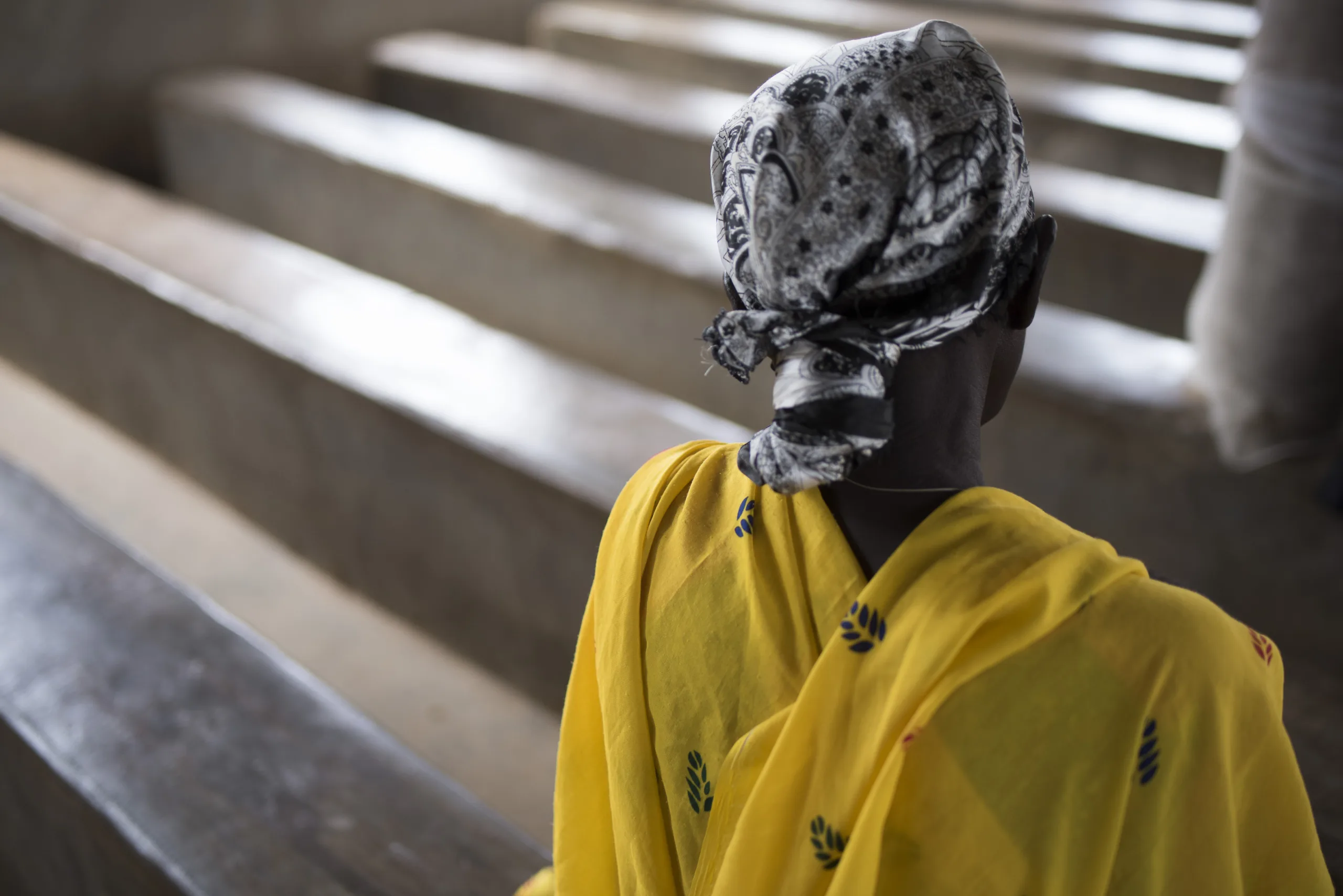
Over 3,000 miles from Kyiv, in the small town of Yei, South Sudan, the women I work with are feeling the crushing weight of a war happening halfway across the world. The ripple effects of Russia’s invasion of Ukraine are not just a distant concern—they’re a life-altering crisis for some of the most vulnerable communities on Earth.
Global Shocks, Local Pain
The rising cost of fuel, soaring food prices, and the surge in refugees are challenges that have touched nearly every corner of the globe. But for women in conflict-ridden regions like South Sudan, these aren’t just inconveniences—they’re existential threats. While the world rightfully focuses on the suffering in Ukraine, the spillover effects of this war are crippling fragile communities far beyond its borders.
Yei, a town near South Sudan’s borders with Uganda and the Democratic Republic of the Congo (DRC), is no stranger to instability. Poverty and ongoing conflict have left its people uniquely vulnerable to global shocks. As the Country Director for Women for Women International – South Sudan, I see firsthand how women here, already on the brink of poverty, are struggling to survive. Many are refugees, unable to access government benefits, and now face even greater hardship as the war in Ukraine sends economic shockwaves across the globe.
Prices Skyrocket, Livelihoods Collapse
Inflation has sent prices soaring in South Sudan. The dollar’s rise against the South Sudanese Pound has made everyday essentials unaffordable. Wheat flour now costs 50% more than it did before the war. A mere five liters of oil, once a manageable expense, now costs over 5,500 South Sudanese Pounds—nearly £10 more than before the conflict began.
Women for Women International’s programs offer vocational training and financial literacy to help women earn and save money, building resilience against emergencies. But the prolonged high costs of basic necessities and transportation are stretching their resources to the breaking point. Many can no longer sustain their small businesses or attend classes. Some are forced to work even harder, cultivating more land just to put food on the table. I fear this is only the beginning of another crisis in South Sudan, compounding existing threats like violence, rape, and even death.
A Global Crisis with Local Faces
To understand the broader impact, I reached out to colleagues in Iraq, the DRC, and Nigeria. The answer was a resounding yes—this war is taking a toll on women in our programs and their communities, as well as our ability to support them.
- Iraq: The price of bread has jumped by 33%, making a staple food increasingly out of reach for many families.
- Democratic Republic of the Congo (DRC): Where 79% of the population lives on less than $1.90 a day, the cost of basic goods has surged by 100%. Public transport costs have skyrocketed from 500 Congolese francs to 3,000—nearly a full day’s wages for many.
- Nigeria: The price of essentials has increased by a staggering 200%. Women are abandoning local transport altogether due to rising costs, limiting their ability to participate in daily activities and sustain small businesses.
Bukola Onyishi, Country Director of Women for Women International – Nigeria, puts it bluntly: “Already we are working with the most marginalized in our society. Unfortunately, the present situation is pushing more people into this bracket of the most marginalized.”
Why the World Can’t Look Away
It’s critical to support Ukrainians affected by the war. But we must also recognize that the fallout extends far beyond Ukraine’s borders. In places like South Sudan, famine and poverty loom large due to food insecurity, rising fuel prices, and gaps in food imports from Ukraine and Russia. With floods and escalating conflict on the horizon, the need for support is just as urgent.
Governments and the international community must step up. We can’t afford to shift resources and attention from one crisis to another. The ripple effects of this war are real, and they’re devastating. The world must act before these ripples turn into a tidal wave of suffering.
The Ripple Effect: Both a Blessing and a Curse
At Women for Women International, we often talk about the positive ‘ripple effect’—how empowering women creates a wave of change that lifts up families, communities, and even entire countries. But as survivors of war know all too well, the ripple effect can also work in reverse. When the first drop in the water is a bomb, the consequences spread far and wide, leaving destruction in their wake.
As the Dalai Lama once said, “Just as ripples spread out when a single pebble is dropped into water, the actions of individuals can have far-reaching effects.” Now, more than ever, we need to act—before the ripples turn into a tidal wave of suffering.
For more on the global impact of the war in Ukraine on world hunger, you can learn more here.