Healing Through Art: How Ukrainian Women Are Rebuilding Their Lives After War Trauma
From Devastation to Hope: The Healing Power of Art Therapy
The war in Ukraine has left an indelible mark on millions, but for women and children who fled the violence, the emotional scars run even deeper. In cities like Mariupol, civilians endured weeks of relentless bombardment, starvation, and unimaginable loss. Kateryna, Vice President of Bereginia – Mariupol’s Women’s Association, escaped to Poland just days after the invasion began. Her story, and those of the women she supports, reveals the profound psychological toll of war—and the transformative role art therapy plays in their recovery.
Many survivors spent weeks in bomb shelters and basements, cut off from basic necessities and human connection. The trauma they carry is immense: some have endured sexual violence, while others grapple with grief, fear, and the overwhelming weight of displacement. Yet, amid the devastation, there is a glimmer of hope. Through art therapy, these women are finding a way to process their pain, one creative expression at a time.
Art as a Lifeline: Healing Through Creativity
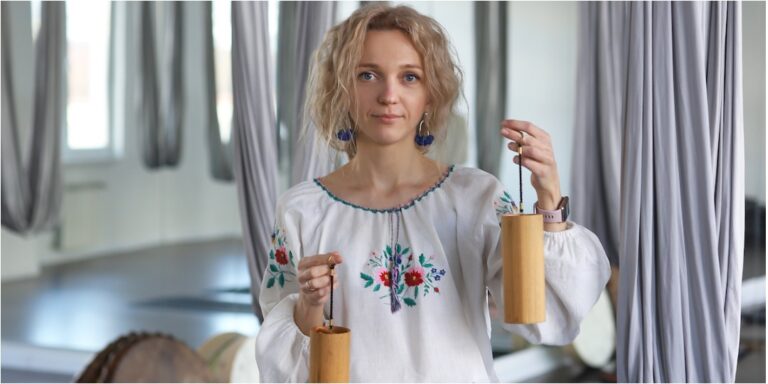
Kateryna, a psychologist with over five years of experience supporting women in the Donetsk region, now leads efforts in Poland to provide holistic care to displaced Ukrainian women and children. In collaboration with organizations like Žene za Žene International, she and her team offer safe spaces, medical care, and psychological support—with art therapy at the core of their approach.
“These pictures, these videos, these stories—they can’t capture all this pain,” Kateryna explains. “Most of them tell me they’re afraid to cry, afraid to speak about it. There’s a place inside where the pain is so deep, they’re afraid to touch it.” Art therapy helps them confront that pain in a way words simply cannot.
The Power of Shared Stories: “You Are Not Alone”
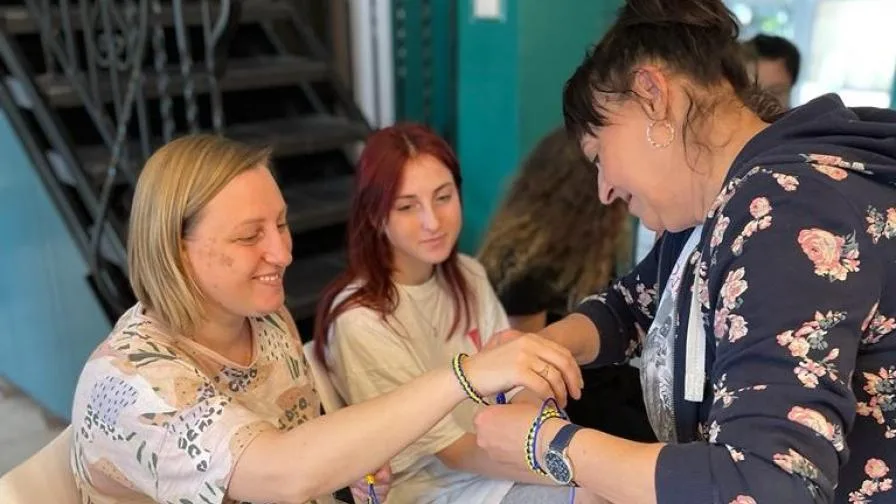
In one particularly moving session, Kateryna guided a group of women through an activity called “You Are Not Alone.” The women created bracelets using the traditional kanzashi technique, weaving in their national colors before exchanging them as symbols of solidarity. Each bracelet carried a wish, a promise of support, and a reminder that they were not facing this journey alone.
“It was very touching and important for everyone,” Kateryna recalls. For women who had lost homes, loved ones, and their sense of security, this small act of creation and connection became a lifeline. It was a moment of healing, a chance to feel seen and supported in a world that had turned upside down.
Reclaiming Dreams: A Collage of the Future
Another session, “My Future Life After Five Years,” invited women to create collages envisioning their lives beyond the war. Kateryna explains: “At this difficult time, our women are confused. Many don’t know how to live on. The war destroyed dreams and plans. Many are in a state of paralysis.”
By putting their hopes on paper, the women began to rebuild a sense of purpose. Art therapy doesn’t erase the past, but it helps them imagine a future—one where they can heal, grow, and reclaim their lives. It’s a small but powerful step toward moving forward.
The Growing Need for Support
As the war continues, the number of displaced women and children keeps rising. Reports of sexual violence are increasing, and the psychological toll is mounting. Kateryna’s work with Bereginia – Mariupol’s Women’s Association is a beacon of hope, offering:
- Psychosocial support and trauma-informed counseling: Including art therapy to help women process their experiences in a safe and supportive environment.
- Safe spaces: Where women can gather, share their stories, and find strength in community.
- Gender-based violence counseling and prevention: Addressing the unique challenges women face in the aftermath of conflict.
- Legal and vocational training: To help them rebuild their lives in new countries.
- Language support: For those adjusting to life in Poland and other host nations.
Kateryna puts it simply: “Our task is to help our women continue life after all of these horrible situations. The war separates your life into before and after. And this is a challenge—for women, for children, for all of us—to connect these parts and move forward.”
How You Can Make a Difference
The road to recovery is long, but with the right support, these women can find hope again. By contributing to initiatives like the Conflict Response Fund, you can help provide critical resources in real time, responding to urgent needs as conflicts unfold. Your support enables survivors to access psychological care, build new livelihoods, and take the first steps toward healing.
Every contribution makes a difference. Together, we can ensure that no woman has to face this journey alone. For more information on supporting refugees, visit UNHCR.