The Passionate World of Flamenco: Insights from Madrid’s Natalia Meiriño
The Passionate World of Flamenco: Insights from Madrid’s Natalia Meiriño
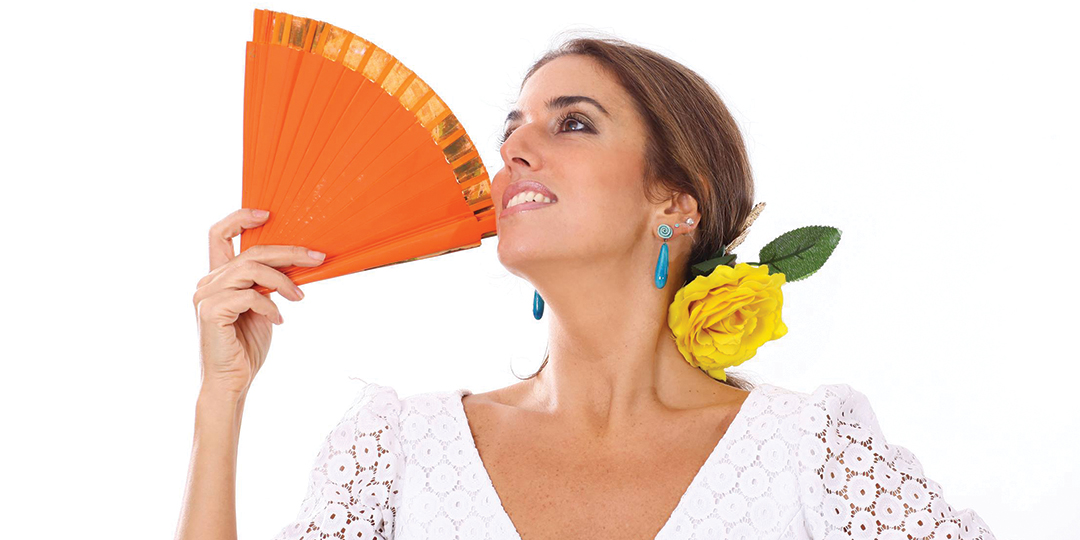
Natalia Meiriño, a renowned dancer and instructor from Madrid, shares her insights on the sensual and expressive dance form known as flamenco. But can flamenco truly capture the full spectrum of human emotions? How is this dance form perceived in different cultures around the world?
Flamenco: A Cultural Phenomenon
Flamenco is a cultural treasure that has transcended its Spanish origins and captivated audiences worldwide. But how does the perception of this dance vary from country to country?
Flamenco in Spain: A Natural Expression
In Spain, flamenco is as natural as breathing. It’s an innate expression that doesn’t require conscious thought. The movements, the music, and the emotions flow effortlessly, as if ingrained in the Spanish psyche from birth.
Flamenco in Asia: A Study in Precision
In contrast, Asian cultures approach flamenco with a meticulous attention to detail. Japanese dancers, for instance, exhibit delicate and fluid movements, reflecting their cultural emphasis on precision. However, capturing the fiery passion and exuberance characteristic of flamenco can be a challenge.
Flamenco in Eastern Europe: A Whirlwind of Emotion
Eastern European dancers bring a wealth of character and independence to their flamenco performances. However, harnessing this intensity and channeling it into the dance can be a daunting task. While Japanese dancers may need to unleash more emotion, Eastern European dancers often need to rein in their passion to fully embody the spirit of flamenco.
The Soul of Flamenco: A Reflection of Spanish Culture
Flamenco is more than just a dance; it’s a mirror of the Spanish soul. It reflects the warmth, friendliness, and sociability of the Spanish people. Flamenco is a communal experience, where strangers can come together, share a few words, and spontaneously burst into dance. It’s a testament to the deep, warm relationships that Spaniards foster with each other and the world around them.
Flamenco as a Tool for Expression
Flamenco is a powerful tool for expressing a wide range of emotions, from joy and love to anger and protest. Techniques like zapateado, a rhythmic foot-stomping technique, can convey struggle and defiance. The sigiriya, a specific rhythmic form, can express deep sorrow and loss.
The Spontaneity of Flamenco
Unlike ballet, where movements are choreographed and predictable, flamenco is spontaneous. Each performance is unique, driven by the dancer’s emotions in the moment. This spontaneity is rooted in flamenco’s rich history, influenced by Moorish, Gypsy, and African cultures. It’s a dance form that has evolved to reflect the experiences and emotions of its people.
Improvisation in Flamenco
Improvisation is a key element of flamenco. However, it’s not without structure. In a tablao, a live flamenco performance, the dancer, singer, and guitarist must work together, often without prior rehearsal. The performance relies on mutual understanding and respect, with each artist taking turns to shine without overshadowing the others.
For more information on flamenco, visit the official Instagram profile of Natalia Meiriño.