Heart Health Insights: Only 50% of Heart Attacks Show Classic Symptoms
Heart Health Insights: Only 50% of Heart Attacks Show Classic Symptoms
Cardiovascular diseases are the leading cause of mortality worldwide. According to the World Health Organization (WHO), these conditions claim approximately 17 million lives annually. In Belarus alone, over 18,400 people died from circulatory system diseases in just the first quarter of last year, accounting for 60% of total deaths. Alarmingly, heart diseases are increasingly affecting middle-aged individuals.
Understanding Heart Health
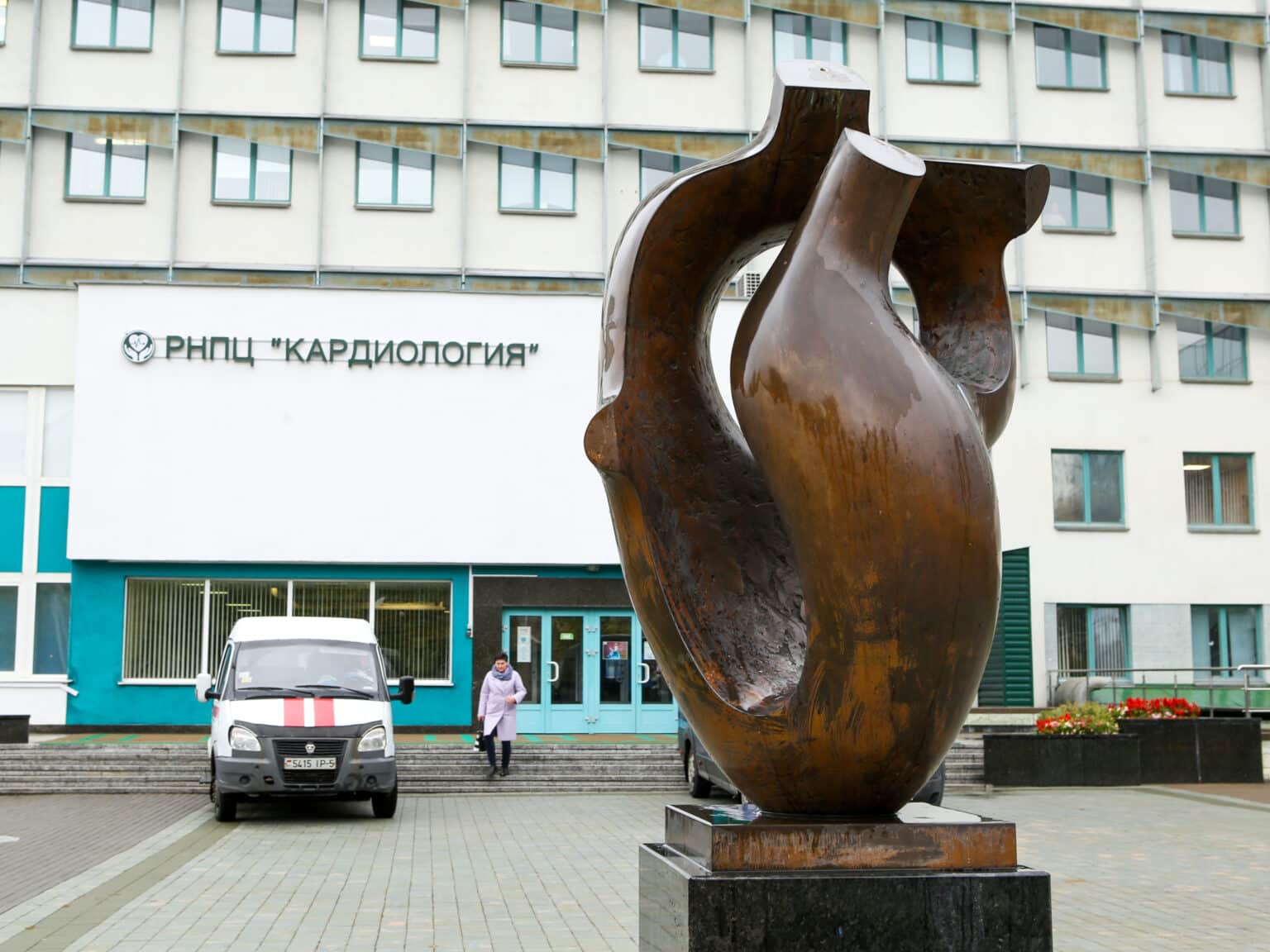
How can we recognize the signs of heart trouble? Is there any way to protect ourselves? To answer these crucial questions, we spoke with Natalia Mitkovskaya, the head of the Republican Scientific and Practical Center “Cardiology.”
Natalia Mitkovskaya is the director of the Republican Scientific and Practical Center “Cardiology,” the head of the Department of Cardiology and Internal Medicine at the Belarusian State Medical University, a Doctor of Medical Sciences, a professor, and the chairperson of the Republican Public Association “Belarusian Society of Cardiologists and Therapists.”
The State of Cardiovascular Health in Belarus
“Unfortunately, cardiovascular pathology in Belarus, as in the rest of the world, is a major contributor to morbidity and mortality,” notes the expert. “Our cardiology service operates at a very high level, but to impact the statistics on cardiovascular diseases (CVD), we need to enhance primary prevention. Primary prevention is key to reducing the tragic statistics.”
Primary prevention is impossible without the active participation of individuals. Until a person learns to love themselves, understands the need to give up harmful habits, and gains a clear picture of their health indicators, good results will be hard to achieve.
Health Indicators Among Belarusians
Five years ago, the WHO conducted the STEPS study, a significant and important research for Belarus. A large number of respondents were surveyed about CVD risks. The results were not very encouraging.
A significant number of Belarusians have unfavorable deviations in their lipid profiles. Moreover, many have never conducted such studies, and if they have, they did not draw any conclusions from the results.
The same applies to glucose levels and blood pressure. Another alarming trend is that many people taking antihypertensive medications do not reach the target blood pressure levels. Doctors have a harsh but fair saying: a poorly treated patient is an untreated patient.
The STEPS study also highlighted that the amount of salt in the Belarusian diet exceeds the norm by almost double. High salt intake is one of the most serious mechanisms for the progression of arterial hypertension.
The Importance of Physical Activity
Another significant risk factor for CVD is physical inactivity. A large number of people spend more than half of their working time sitting at a desk or computer. This is a substantial basis for the progression of hypertension, obesity, and ultimately chronic heart failure. We must encourage people to engage in physical activity. This is a crucial comprehensive task for preventive medicine.
“Regarding physical inactivity, with today’s crazy pace of life, it’s hard to make yourself go to the gym. Are there alternatives?”
“Of course, for example, brisk walking. According to European WHO recommendations, a person should set aside at least 30 minutes, at least 5 times a week, for a brisk walk. I recommend my patients to do this every day for an hour. If you don’t like walking, you can swim. If there are no contraindications, you can play sports. But physical activity is extremely important, including as a prevention of obesity.”
The Problem of Obesity
“Until recently, it was believed that obesity was not a significant problem for Belarusians compared to, for example, Americans. Is this still the case?”
“Unfortunately, excess weight is now a problem that Belarusians are not immune to. Traditionally, the Belarusian nation is characterized by slimness. The typical Belarusian is a tall person of normal build. However, in recent years, everything has changed: fast food, physical inactivity, and other harmful habits are taking their toll.”
“But at the same time, I am pleased that a young generation of people who understand that health is their wealth is growing. They adhere to healthy eating and a healthy lifestyle in general. If we can raise such a conscious generation of Belarusians, a significant part of the work to reduce unfavorable CVD indicators will be realized.”
“By the way, in 2020, Belarus conducted a repeat stage of the STEPS survey. And in some points, we see positive dynamics. Belarusians have realized that they have a systemic, national problem with heart diseases.”
The Importance of Stress Management
“When we say that we are afraid of heart diseases, we mean a heart attack. The media has reported that women’s heart attacks are becoming particularly ‘younger.’ Is this true?”
“Heart attacks are seriously getting younger in general. And here, in addition to the factors mentioned above, severe psychological stress and chronic stress, in which the average resident of a large city lives, play a big role.”
“Experiences contribute to the development of progressive hypertension, a tendency to vasospasm, and arrhythmias. This, in turn, leads to quite serious complications: myocardial infarction and progressive heart failure. Therefore, the ability to keep yourself in hand, to be oriented towards a positive attitude towards life is very important.”
“Can a person in their forties learn this?”
“Without a doubt. You can learn everything and always. My favorite motivator from the internet is a photo of an old woman in monastic robes, intently looking at something on a computer monitor. It’s never too late to improve, especially when it comes to health and quality of life.”
Gender Differences in Heart Attack Symptoms
“Recently, world tabloids published the results of a study. The essence is that cardiologists often miss heart attacks in women, attributing complaints to other health problems. Why does this happen?”
“I would not say that there are such significant gender differences in Belarus. Especially in the age group 50+. In this segment, both morbidity and mortality are registered at almost the same level in both women and men. But I can assume why the tabloids made such conclusions.”
“Women are very patient. Being emotional in life, they are restrained in expressing complaints about health problems. This factor can influence the timeliness of diagnosis.”
“In addition, the clinical picture of a ‘female’ myocardial infarction can look atypical, so the diagnosis of small-focal myocardial infarctions in women can be difficult. But, once again, the alertness regarding acute CVD should be the same for both men and women.”
Recognizing Heart Attack Symptoms
“You said that in women, a heart attack can more often manifest itself without the standard symptom – chest pain. How exactly?”
“Regarding ‘chest pain.’ In fact, a person does not always characterize the acute unpleasant symptom that occurs during a developing myocardial infarction as pain. More often, it is a feeling of pressure, a ‘slab’ on the chest. It is not for nothing that angina, which often precedes a myocardial infarction, was previously called ‘angina pectoris.'”
“Only 50% of people have a classic picture of a myocardial infarction – intense, pressing pains behind the sternum. In others, the symptoms can be atypical: in the form of arrhythmia, shortness of breath, dizziness.”
“Therefore, I always tell my students and patients that any unusual sensation, especially in the chest area, should be a reason to consult a doctor. For more information, you can visit the World Health Organization website.”