10 Surprising Secrets of the Oscars You Never Knew
10 Surprising Secrets of the Oscars You Never Knew
The First Ceremony
The Oscars, the most anticipated event in the film industry, had a humble beginning. The first Oscars ceremony took place on May 16, 1929, at the Hollywood Roosevelt Hotel in Los Angeles. Unlike today’s extravagant affairs, it lasted a mere 15 minutes and had 270 attendees, with tickets costing a modest $5. For the first quarter-century, the ceremony was not broadcasted; the first televised ceremony occurred in 1953.
A Dog Almost Won the First Best Actor Oscar
In a surprising twist, a German Shepherd named Rin Tin Tin, who had starred in 19 films by 1929, received the most votes for Best Actor. However, Louis B. Mayer, the founder of the Oscars, insisted on a second round of voting, excluding Rin Tin Tin. Consequently, the first Oscar for Best Actor went to Emil Jannings.
The Origin of the Name “Oscar”
The name “Oscar” is not the official name of the award, which was originally called the “Academy Award of Merit.” The origin of the nickname “Oscar” is a topic of debate. Actress Bette Davis claimed she named it after her husband, while Margaret Herrick, a librarian and later executive secretary of the Academy, said it reminded her of her uncle Oscar. Journalist Sidney Skolsky claimed he used the name in an article to simplify the text.
An Oscar Once Lost Its Head
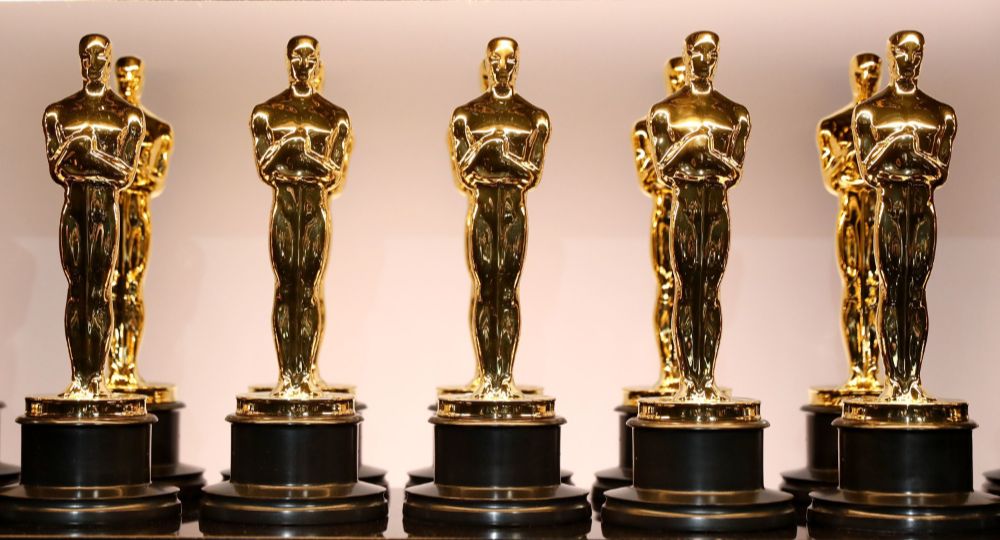
During World War II, due to metal shortages, Oscars were made of plaster covered in gold foil. Actor Barry Fitzgerald, an avid golfer, accidentally knocked the head off his plaster Oscar while practicing. After the war, all plaster Oscars were replaced with the standard metal ones. Today, Oscars are made of a metal alloy called Britannium, plated with 10-karat and 24-karat gold. Each statuette stands 13.5 inches tall and weighs 8.5 pounds.
The Red Carpet Weighs 5 Tons
The red carpet for the Oscars is a marvel in itself. It spans about 900 feet in length, 33 feet in width, and weighs a staggering five tons. Laying it out requires 20 workers and two full days, with two large trucks needed to transport it to the venue.
Walt Disney: The Record Holder
Walt Disney holds the record for the most nominations (59) and the most wins (26) in Oscars history. He also has the most losses, with 33. His first Oscar was for a Mickey Mouse cartoon in 1932. For “Snow White,” he received one large and seven small statuettes. Sound operator Kevin O’Connell was nominated 20 times but never won.
Acceptance Speeches: 45 Seconds Max
In 2002, a rule was introduced limiting acceptance speeches to 45 seconds after the ceremony ran for a record 4 hours and 23 minutes. If a winner speaks longer, the orchestra will play them off. Some winners have been very brief; Alfred Hitchcock and William Holden simply said “Thank you.” Others have made memorable moments, like Adrien Brody kissing Halle Berry or Jack Palance doing one-armed push-ups on stage.
Mistakes and Mix-ups
Sealed envelopes were introduced in 1941 after the LA Times published the winners’ names before the ceremony. In 2017, a memorable mistake occurred when Warren Beatty announced the wrong Best Picture winner, initially saying “La La Land” had won. The actual winner was “Moonlight,” and the mistake was corrected on stage.
Refusing the Oscar
Not all winners are eager to accept their Oscars. George C. Scott and Marlon Brando refused their Oscars. Scott sent a note criticizing the ceremony as a “two-hour meat parade.” Brando refused in solidarity with American Indians and sent an actress named Sacheen Littlefeather to read a statement. Woody Allen has also been critical of the Oscars and has never attended the ceremony despite multiple nominations.
Only One Oscar Winner Named Oscar
The only person named Oscar to win an Oscar was Oscar Hammerstein II, a writer and librettist known for “The Sound of Music.” He won two Oscars for best songs in two films but did not live to see the film adaptation of “The Sound of Music,” which won five Oscars.
For more interesting facts and updates, follow us on Instagram.