Flamenco Unveiled: A Passionate Journey with Natalia Meirinho
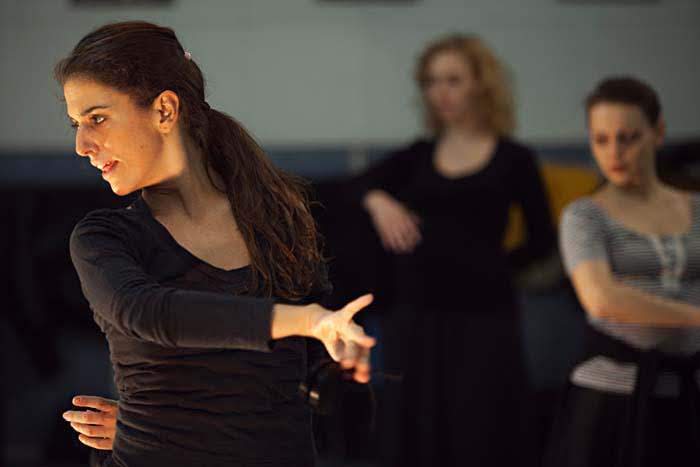
Flamenco Unveiled: A Passionate Journey with Natalia Meirinho
Natalia Meirinho, a celebrated dancer and instructor hailing from Madrid, offers a captivating glimpse into the world of flamenco, a dance form renowned for its passion and emotional depth. But can flamenco truly express the full spectrum of human emotions? How is this dance perceived across different cultures? Let’s embark on a journey to understand the essence of flamenco through the eyes of an expert.
The Global Odyssey of Flamenco
Flamenco, an integral part of Spanish heritage, has transcended its national boundaries and captivated audiences worldwide. However, the interpretation and execution of this dance form vary significantly from one country to another.
Flamenco Across Cultures
In Spain, flamenco is as natural as breathing. It is deeply ingrained in the culture, a spontaneous expression that Spaniards feel in their souls. The dance flows effortlessly, without the need for conscious thought about the next move. In contrast, in Asia, particularly Japan, the approach to flamenco is distinctly different. The Japanese, known for their meticulous attention to detail, bring a sense of delicacy and precision to the dance. However, capturing the raw emotion and spontaneity of flamenco can be challenging for them.
In Eastern Europe, the scenario is quite different. Dancers here infuse their performances with a lot of character and independence, which sometimes needs to be tempered to stay true to the essence of flamenco.
The Heart of Flamenco
Flamenco is a reflection of the Spanish people—warm, friendly, and sociable. It is a dance that brings people together, often strangers, who come to share emotions and stories through movement. This communal aspect of flamenco is uniquely Spanish and reflects their deep connection with people and the world.
Flamenco as a Medium of Expression
Flamenco is not just a dance; it is a powerful medium for expressing a wide range of emotions, including protest. Techniques like zapateado (foot stomping) can create complex rhythmic patterns that convey struggle, anger, and defiance. There is even a specific rhythmic form called sigiriya that tells stories of loss and sorrow.
The Universality of Flamenco
Unlike some traditional dances that only express joy, flamenco can convey any emotion. It is spontaneous and deeply personal, reflecting the dancer’s feelings at the moment. This spontaneity is rooted in flamenco’s ancient origins, tied to the wandering cultures of the Moors and the Roma, who expressed their struggles and joys through dance.
Improvisation in Flamenco
Improvisation is a key element of flamenco. However, there are rules that help structure this improvisation. In a typical flamenco performance, or tablao, a dancer, singer, and guitarist come together, often spontaneously. The performance relies on mutual understanding and respect, with each artist taking turns to shine without overshadowing the others.
Flamenco vs. Classical Ballet
While classical ballet focuses on technique and precision, flamenco is all about emotion. Ballet requires strict adherence to choreography, whereas flamenco allows for personal expression and spontaneity. For Natalia, the transition from ballet to flamenco was eye-opening, as it allowed her to connect deeply with her emotions and the music.
Inspiration and Responsibility
Natalia draws inspiration from various dance forms and music. She feels a strong responsibility to share the culture of flamenco with the world, motivating others to learn and appreciate this beautiful art form.
For more information on flamenco, you can visit this authoritative source.