The Art and Science of Coffee: From Bean to Brew
Coffee: A Global Phenomenon
Coffee is the second most exported commodity in the world, right after oil. It’s so significant that there’s even a specific term for the coffee business: the coffee economy. Millions of people start their day with a cup of coffee, and the debates about its benefits and drawbacks are endless. Coffee is alternately criticized and praised for its health effects, including its potential role in combating age-related cognitive decline. One thing is certain: the world would be a different place without coffee.
The Impact of Roasting and Grinding
If you truly appreciate the taste and aroma of coffee, you’ll eventually want to understand the nuances of roasting and grinding coffee beans. The same type of Arabica coffee can taste entirely different depending on the degree of roasting. Take one of the world’s best coffees, Colombian Supremo, for example. Grown in high-altitude conditions, it’s handpicked because no other method is feasible in the steep mountainous terrain. Coffee trees are often planted alongside banana trees, which protect them from the harsh sun.
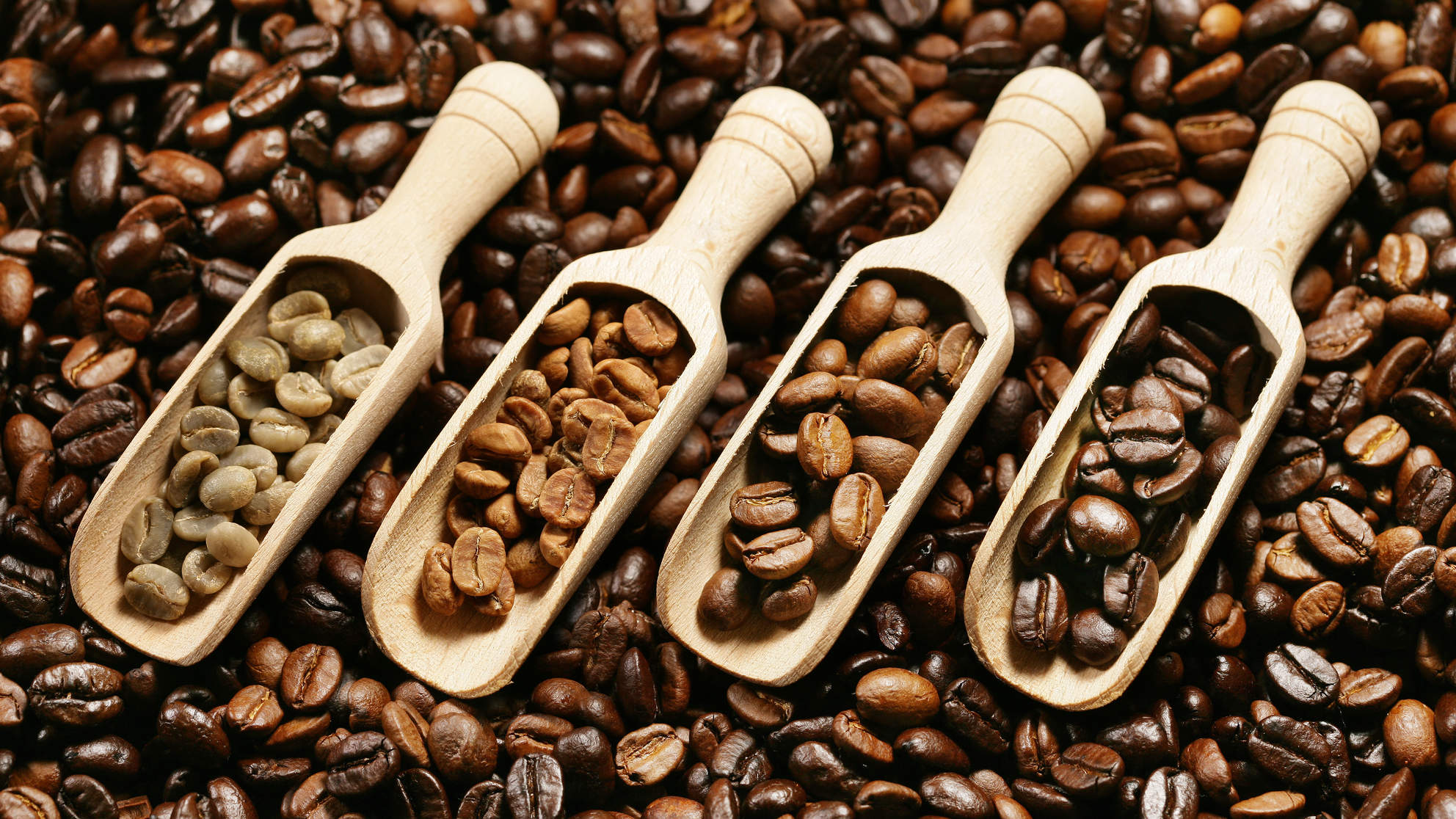
With a light roast, Colombian Supremo exhibits a bright lemony acidity and a subtle fruity flavor, thanks to its proximity to bananas. A medium roast brings out a slight acidity and a sweet, slightly bitter, chocolatey taste. A dark roast minimizes the acidity and delivers a rich, full-bodied, bitter flavor.
Finding your perfect coffee, like finding your ideal stylist, doctor, or lawyer, can take years. However, you can learn to visually identify the main characteristics of coffee beans before purchasing. You don’t need to know much to get started.
Grinding freshly roasted light coffee beans can fill your home with an incredible bread-like aroma!
Coffee Varieties: Robusta and Arabica
There are many coffee varieties, but the two most common in commercial production are Robusta and Arabica. Robusta is less demanding to grow, making it cheaper to produce, but it’s generally considered inferior to Arabica, the ‘queen of coffee.’ Arabica accounts for 70% of the global coffee market and is the most widely consumed variety worldwide.
Coffee roasters often create blends from different coffee varieties to achieve a more complex and interesting flavor profile. Several coffee shops in Minsk roast their own coffee beans and offer customers a variety of freshly roasted blends.
Degrees of Coffee Roasting
For Lovers of Light Coffee
- Scandinavian or Cinnamon Roast: The lightest roast, resulting in light brown beans with a pronounced acidity and a delicate bread-like aroma. Little to no oil is visible on the beans.
- Light or New England Roast: A light roast with slightly darker beans than the Cinnamon Roast. The flavor still has a pronounced acidity but lacks the bread-like notes. There’s almost no oil on the bean’s surface.
- American Roast: A medium light brown roast, achieved just after the ‘first crack.’ This roast is popular in the eastern United States and is often used in professional coffee tastings. It has a light, slightly sweet, herbal flavor.
For Lovers of Stronger Coffee
- City Roast: A rich brown roast with a dry surface. It has a less pronounced acidity and a sweet, floral flavor.
- Full City Roast: A rich brown roast with oil droplets on the bean’s surface. The flavor is dominated by caramel and chocolate notes.
- Vienna Roast: A moderate dark brown roast with a slightly oily surface. It has a slight acidity and a flavor profile that includes chocolate, nuts, and caramel notes.
For Lovers of Very Strong Coffee
- French Roast: A dark brown roast with a shiny, oily surface. It has minimal acidity and a flavor that includes dark chocolate, spices, and tobacco notes, with a slightly burnt taste. This roast is popular for espresso.
- Italian Roast: A very dark brown roast with beans covered in oil. It has an aroma of burnt sugar and smoke, with a bitter, ‘roasted’ flavor. This is the globally accepted roast for espresso.
- Spanish Roast: The darkest roast, with almost black and very oily beans. This roast is technically challenging because not all coffee varieties can withstand it without tasting like ash. It results in a very strong coffee with a smoky, charcoal aroma and a bitter flavor.
For more information on coffee and its cultural significance, you can visit the National Coffee Association website.