Discovering Tunisia: A Journey Through Time and Culture
Discovering Tunisia: A Journey Through Time and Culture
Published: May 21, 2014
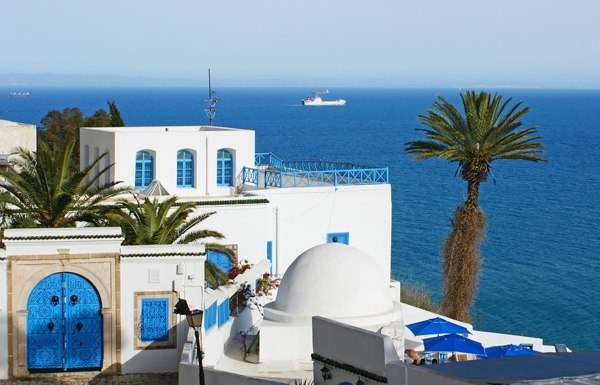
Tunisia, a North African gem, beckons travelers with its pristine Mediterranean shores, breathtaking oases, and the vast expanse of the Sahara Desert. This enchanting destination is a treasure trove of ancient civilizations, offering a unique blend of history, culture, and natural beauty.
Choosing Your Tunisian Haven
Tunisia welcomes visitors from April to October, promising an unforgettable seaside retreat and a fascinating journey through its rich history, which dates back to Berber settlements, Phoenician conquests, and Roman rule. The cultural heritage of these eras is meticulously preserved. Before immersing yourself in this historical tapestry, select your ideal accommodation.
Mediterranean Coastline
The northern region of Tunisia and its coastline boast a subtropical Mediterranean climate. In July, the average temperature is a pleasant 79°F (26°C). Popular resort cities in this area include Hammamet, Port El Kantaoui, Sousse, Monastir, Mahdia, and Sfax. Southern Tunisia, influenced by the proximity of the Sahara, has a tropical desert climate with hotter temperatures averaging 91°F (33°C) in July. Tourists often choose Gabès, Zarzis, and the island of Djerba for their stay. Djerba is particularly favored by French visitors, a remnant of Tunisia’s colonial past when it was under French rule. Consequently, many locals are fluent in French, and English is also widely spoken.
Luxurious Accommodations
Tunisian hotels offer European-level service, with star ratings that accurately reflect the quality of amenities. Beyond standard features like pools, gyms, and saunas, many hotels provide cosmetic treatments, relaxation programs, and thalassotherapy. Beach security, animators, and evening performances by live bands or ethnic groups are common. Most visitors opt for half-board meal plans, which include breakfast and dinner.
Master Traders of the Medina
The medinas, walled quarters with narrow streets and bustling markets, are a hallmark of Tunisian cities like Hammamet, Kairouan, Mahdia, Sousse, Tozeur, and Tunis. Locals joke that you can find anything from a needle to a tank in these vibrant marketplaces. Before shopping, exchange your currency for Tunisian dinars (TND). The medinas offer a variety of goods, including leather items, Berber silver, handmade carpets, spices, and souvenirs. Bargaining is a must; engage with the sellers, share your origins, and you might secure a significantly lower price. For instance, being from Ukraine could reduce the initial price by two-thirds compared to a French visitor. Additionally, purchase items like dates, fig or cactus jams, coffee, Turkish delight, cane sugar, and olive oil from local supermarkets such as General, where souvenir shop owners also stock up.
Exploring Tunisia’s Rich Tapestry
To delve deeper into Tunisia’s heritage, embark on excursions to historical sites. In Carthage, explore the ruins of the ancient Phoenician city. The Bardo Museum houses an impressive collection of Roman mosaics from the 2nd to 4th centuries, covering 12,000 square meters. In El Jem, visit the remarkably well-preserved Roman amphitheater, the third-largest in the world, renowned for its acoustics and hosting symphony and jazz orchestras. Wander through the oases of Tozeur, Mides, and Chebika, where you might witness a mirage. Discover palm groves, learn about date cultivation, enjoy a traditional dinner, and experience performances by ethnic groups. Near Douz, explore the troglodyte caves, ancient Berber settlements that have preserved their way of life. In the Sahara, enjoy camel rides and thrilling jeep adventures.
Culinary Delights
Tunisian cuisine is a feast for the senses. Sample local delicacies such as gargulet (lamb cooked in a pot), couscous, pancakes with date syrup, spicy tuna appetizers, sea bass, and green tea infused with spices and nuts. Don’t miss the unique coffee flavored with rose water.
For more information, visit the official Tunisia Tourism website.