Nikolai Pinigin: The Art of Theater and Tolerance
Nikolai Pinigin: The Art of Theater and Tolerance
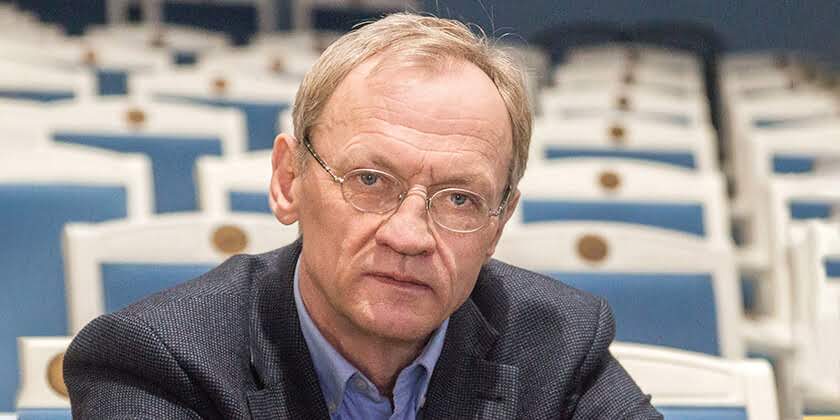
Nikolai Pinigin, the Artistic Director of the National Academic Theater named after Yanka Kupala, shares his insights on theater, tolerance, feminism, and professionalism. He delves into the nuances of female and male directing, social media, and the upcoming premieres in the Kupala Theater.
The Allure of Yasmina Reza’s Plays
The Kupala Theater recently premiered Nikolai Pinigin’s production of “Tolerance,” based on a play by Yasmina Reza. This isn’t the first time Pinigin has directed works by the French playwright. Last year, he staged her play “Art.” So, what draws Pinigin to Reza’s works?
“Yasmina Reza is an exceptional author,” Pinigin explains. “She has a knack for transforming ordinary, everyday stories into grand narratives.” He has directed “Art” three times in different theaters and feels it’s time to move on. However, parting with the play is challenging due to its intelligence, humor, and depth.
Pinigin’s latest production, “Tolerance,” explores whether people can be tolerant in contentious situations or if self-interest prevails. The original title was changed to “Tolerance” with the author’s approval, as the word is used ironically in the play. Pinigin believes that while tolerance is necessary, an excess of it can lead to a loss of individual and national identity.
Male and Female Directing: A Comparative Perspective
When asked about the differences between male and female directing and dramaturgy, Pinigin shares his observations: “Nature has endowed women with a more developed tactical mindset, while men possess a more strategic one. This is why there are more male scientists, military personnel, and directors.”
Pinigin acknowledges that directing requires strategic thinking and is an aggressive profession. However, he notes that there are exceptions and that some women directors possess the necessary character traits and develop more masculine qualities over time.
As for female dramaturgy and literature, Pinigin admires the works of Yasmina Reza and Dina Rubina, praising their strength and power. He also appreciates the nuances and subtleties that only women can capture in their writings.
Feminism: A Modern Perspective
Pinigin’s stance on feminism is shaped by his limited exposure to the movement. He observes that there seems to be an attempt to swap traditional gender roles. He agrees with a character from Reza’s play who states that men are drawn to tranquility, tenderness, and fluidity, rather than a woman who takes on the world’s burdens.
“Men and women are like two halves of a whole,” Pinigin says. “They should fit together like puzzle pieces. It’s difficult to deceive nature.”
Upcoming Premieres and Social Media
The Kupala Theater is preparing for another premiere: Shakespeare’s comedy “A Midsummer Night’s Dream.” The theater received several proposals from different directors and chose the project of St. Petersburg director Andrei Prikoenko. The play is an interesting theatrical story about love, featuring elves, fairies, and strange creatures. Prikoenko is known for his serious and unconventional approach to directing.
Pinigin also shares his thoughts on social media: “I’m not an active user. The internet is a tool, nothing more. If necessary, I’ll go online and check something. I’m sometimes amazed by friends who spend a lot of time on social media. It requires a significant amount of time, which is hard to find.”
He believes that virtual space consumes reality and exists at the expense of real life. While curiosity is an essential human trait that attracts users, Pinigin thinks that to live a full life, one should not limit themselves to virtual reality for communication and socializing.
The Theater of the 1980s
Pinigin began his career in the 1980s, working as an actor in the Russian Theater and directing plays. He recalls that both the Russian and Kupala theaters had very strong troupes. The Soviet theater history was grand, with the 1960s to 1980s being a particularly good period.
Art required special coding and metaphors to bypass censorship and convey ideas to the audience. This attracted people to the theater. However, when previously closed information became accessible in the 1990s, and people started reading previously banned texts, the attitude towards theater changed.