From Navy Medic to Māori Health Hero: Tia Ashby’s Inspiring Journey
From Navy Medic to Māori Health Hero: Tia Ashby’s Inspiring Journey
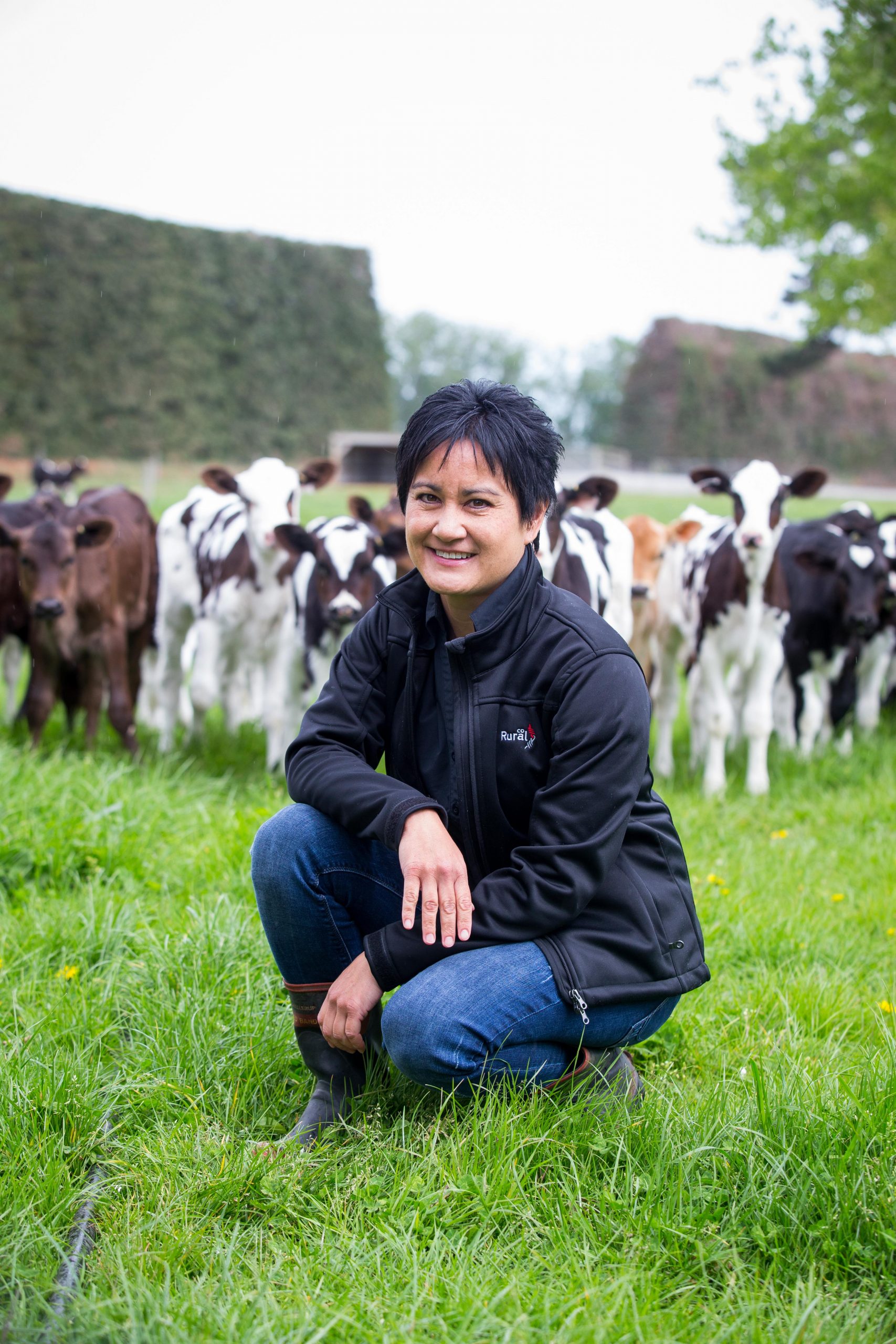
Tia Ashby is no stranger to tackling immense challenges under pressure. Her years serving in war zones have been pivotal to her success in leading the Covid-19 response for her Northland iwi, Ngāpuhi. This former Royal New Zealand Navy medic spent 12 months in the war zone of Afghanistan, an experience that would later shape her approach to healthcare in her community.
Frontline Experiences: From Afghanistan to Northland
At 38, Tia describes both her military service and her work during the pandemic as fighting on the frontline. “When you’re operating in these complex environments, there’s a lot of uncertainty, and you need to cooperate as a team,” she says. The training she received in the military proved invaluable when working on the frontline of Covid-19. “You’re put in situations where it’s confronting for people. You have to be adaptable because you don’t know what’s going to happen next.”
Early Life and Military Career
Tia, whose iwi are Te Rarawa, Te Aupouri, Ngāpuhi, Rarotonga, Te Ati Awa, and Ngāti Mutunga, signed up for the navy at 19 in September 2001, the same day as the terrorist attacks in New York City. She became a Tri-Service medic, allowing her medical skills to be used in the navy, army, and air force. Over 12 years, she received five operational military medals for her services, including deployments to South East Asia and Afghanistan.
“I have always been drawn to a career in health. When I was at primary school, I became a St. John’s cadet. I had a natural inclination to care for people,” Tia shares. Her year in Afghanistan in 2009 opened her eyes to the realities of war, treating allied soldiers and tending to their wounds. “The experience made me more resilient because you’re exposed to significant traumatic events. My training enabled me to be situationally aware and reflect in action, because if you don’t react quickly, then this person could lose their life.”
Transition to Civilian Life and Education
After returning from Afghanistan in 2010, Tia left the navy to focus on helping Māori. “I had done all this wonderful mahi overseas. I had traveled the world and helped in various countries. However, I saw there was a great need for me here at home,” she says. Witnessing her whānau dying from preventable diseases and tamariki needing open heart surgery due to rheumatic fever motivated her to apply her skills to help her people.
Tia graduated from Massey University with an Executive Master of Business and gained a Bachelor of Health Science from the Auckland University of Technology, becoming a registered nurse. She also received a scholarship to study at Harvard Business School, where she developed her thesis on empowering Māori to access primary healthcare using mobile technology.
Leading the Covid-19 Response
When Covid-19 hit New Zealand in 2020, Tia was well-equipped to lead a team servicing the needs of Māori in Northland. “It was a challenge from the very beginning. We used a marae operating model, where everyone in the team had a role and they just knew what to do,” she explains. Tia relied on her military skills to navigate her role, applying the same strategic thinking to the Covid-19 response.
The main challenges for Māori in the area were access to vaccinations and distrust of the government. Tia and her team changed their model to include drive-through and mobile outreach, going into homes to vaccinate. “The uptake for our kuia and kaumatua was really high and quick,” she says. However, some families were influenced by the American anti-vaccination movement, making Tia’s job extremely difficult and creating division among whānau.
Addressing Health Literacy and Protecting the Vulnerable
Tia focused on addressing health literacy, as some whānau struggled to read or interpret evidence-based research. After lengthy discussions and presenting evidence, some chose to get vaccinated while others did not. “It was driven by the passion to protect our taonga, our kaumata, the ones who are the most vulnerable to the disease,” Tia says.
Tia and her team’s work resulted in an 82 percent vaccination rate of the 50,488 Māori living in Northland. Tia, who has since become interim CEO of Te Hau Ora O Ngāpuhi, knows first-hand the impact of contracting Covid-19. During an interview in early April, she was showing symptoms of the virus and was diagnosed with Covid-19 the next day.
For more information on Tia’s work and the Covid-19 response in Northland, you can visit the Ministry of Health website.