Gemma McCaw’s Ultimate Guide to Beating Bloat and Staying Regular

Gemma McCaw’s Ultimate Guide to Beating Bloat and Staying Regular
Let’s face it, talking about our bathroom habits isn’t exactly dinner table conversation. But since becoming a mom, the topic of number twos has become a regular chat in our house. I never thought someone else’s bowel movements would bring me such relief! I believe poo shouldn’t be a taboo subject. After all, we all go, and our bowel movements can give us real insights into our health.
Why Bowel Health Matters
If your system is functioning well, you should be able to go often enough that you don’t feel bloated or experience pain, and you shouldn’t have to strain. Food sensitivities, intolerances, tummy bugs, stress, and conditions like irritable bowel syndrome can all cause digestive issues. If you experience frequent pain, bloating, diarrhea, or constipation, it’s crucial to speak to your doctor.
Hydration: The Key to Regularity
Our stools are about 75% water, so increasing your water intake can help you go. Dehydration can lead to constipation because the body extracts more water from the food passing through it, making stools harder. Aim to drink enough water to ensure your urine is a light straw color. Make water your main drink and limit other fluids like coffee, fizzy drinks, and alcohol, which can negatively affect your health.
Diet: Fuel for a Healthy Gut
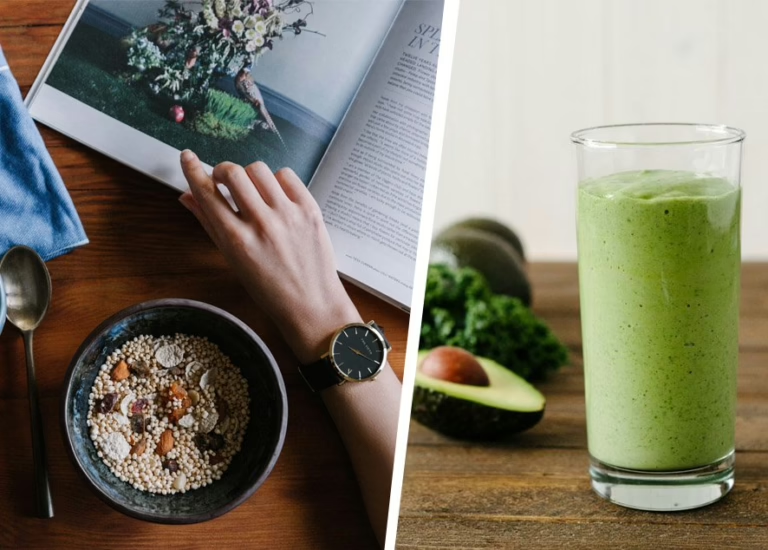
What we eat plays a significant role in our regularity. Natural foods rich in fiber are best—think fruits and vegetables, wholegrains, legumes, nuts, and seeds. Too much sugar, refined grains, processed foods, fatty foods, and dairy can all impact your bowel movements. Plums and prunes are particularly helpful as they contain fiber and agents that retain fluid in the digestive system, making bowel movements smoother.
The Power of Position
Squatting has been the standard elimination position for ages. It leads to a straighter passage, allowing for an easier exit. Constipation and hemorrhoids are more common in Western countries that use chair-like toilets. Consider using a low footrest and leaning forward slightly when you sit. For a specifically designed footstool, check out the Squatty Potty—it’s stylish and highly functional, promising an easier time with your number twos.
Exercise: Get Moving for a Healthy Gut
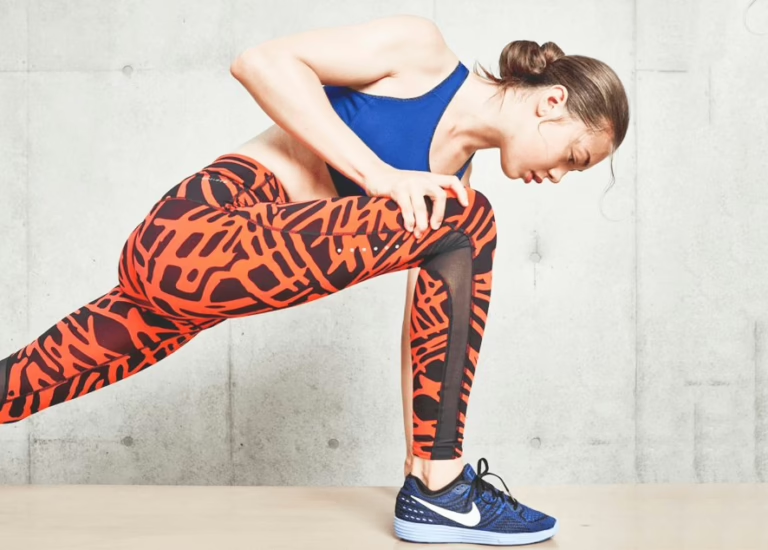
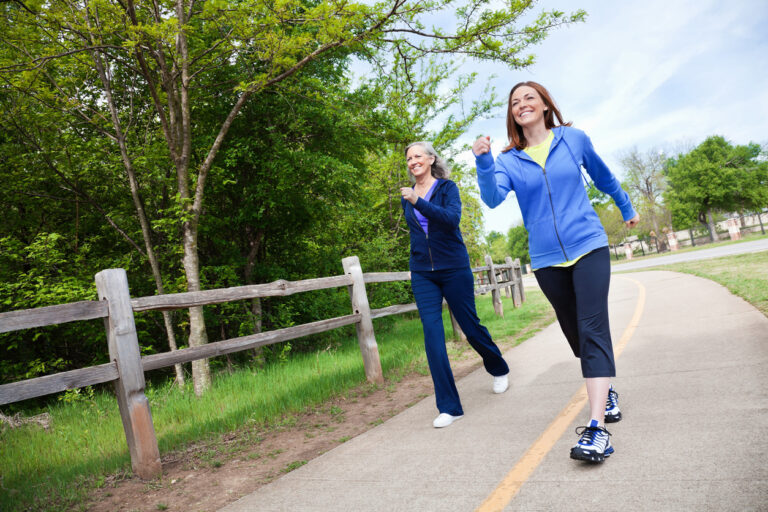
Physical activity is a great way to get things moving because movement naturally stimulates the contraction of our intestinal muscles. It can also decrease the time it takes for food to move through the body, limiting the amount of water absorbed from our stools. Aim to exercise for at least 30 minutes per day and make it a regular part of your life—every bit counts!
Habits: Listen to Your Body
A healthy body functions like clockwork, naturally having a time it likes to go—and it’s important that you listen to it. Ignoring your toileting signals can make it harder to go later, as the longer the feces stay put, the more water is extracted from it. As with so many things in life, having a routine can be really helpful for both body and mind.