12 Historic Moments: Women’s Triumph Over Patriarchy
12 Historic Moments: Women’s Triumph Over Patriarchy
Throughout the years, women have tirelessly fought for their rights, paving the way for a more equitable future. Their journey has not always been swift or peaceful, but despite the challenges, the history of feminism has persevered through trials and tribulations. Today, we celebrate the successes of women who have shaped a better future for themselves and generations to come. Here are several pivotal dates that marked the triumph of feminism over stereotypes, injustice, and patriarchy.
The First International Women’s Day – 1914
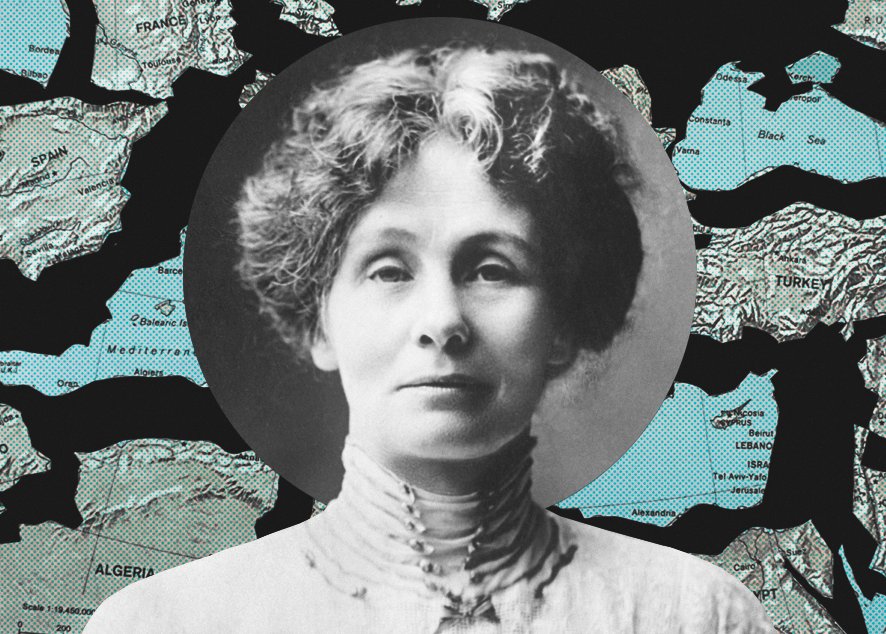
On March 8th, the first International Women’s Day took place in London. Thousands of women marched through the streets to Trafalgar Square in support of the suffragette movement. Emmeline Pankhurst, a key organizer of the march, was later arrested for attempting to organize another similar event.
Women’s Right to Vote – 1918
One of the most significant events in feminist history occurred when British women gained the right to vote on par with men. Although the law initially only allowed women with property to vote, it was a crucial first step towards equality.
The First Woman in Parliament – 1919
Nancy Astor became the first woman to take a seat in the British House of Commons. This milestone allowed her to engage in political activities and advocate for more women in public office.
Universal Suffrage – 1928
Following the initial law allowing women to vote, a new act granted all women, regardless of their property status, the right to participate in elections. Suffragettes actively campaigned, raising awareness about equality and the importance of political engagement.
World War II (1939-1945)
During the war, a significant number of women left their homes, abandoning their studies and domestic duties to join the workforce. Ninety percent of single women and eighty percent of married women secured jobs in factories and plants, marking the beginning of women’s independence and their entry into traditionally male-dominated fields such as aviation, engineering, and mechanics.
Birth Control Pills – 1967
The introduction of birth control pills in Britain empowered women to pursue careers instead of starting families. This development challenged the stereotype that a woman’s primary role is to bear children and allowed women to take control of their health and lifestyle choices, regardless of marital status. It also initiated a conversation about the normality of an active sex life, although complete freedom in this regard is still evolving.
The Ford Factory Strike – 1968
Women working at the Ford factory in Dagenham organized a major strike for equal pay. This event nearly halted the production of Ford cars in Britain. Due to their efforts and arguments, the Equal Pay Act was passed in 1970, ensuring equal pay for men and women.
Female Genital Mutilation Awareness – 1970
Germaine Greer published “The Female Eunuch,” a groundbreaking book on female genital mutilation. The book became a bestseller, raising awareness about the practice and its associated feminist issues. Greer argued that a woman’s status should not be determined by her ability to attract men, highlighting the harmful effects of female genital mutilation on women’s health and sexual pleasure.
Protection for Unemployed Women – 1975
The law protecting unemployed women provided state support for pregnant women and those on maternity leave. It also prohibited the dismissal of pregnant women or those on maternity leave.
Financial Independence – 1980
In 1980, women gained the right to take out loans and credit in their own names, rather than through their husbands. This change allowed women to enjoy equal rights and achieve greater financial independence, whether they were married or single.
Sex Discrimination Act – 1986
The Sex Discrimination Act allowed women to work the same hours as men, access more flexible work schedules, and retire at the same age as men.
Women Entrepreneurs – 2008
After years of advocating for their rights and fighting for equality, women achieved a significant milestone. Statistics showed that in 2008, the number of women entrepreneurs surpassed the number of men starting their own businesses.
For further reading on the history of feminism, you can visit this authoritative source.