11 Essential Facts About Nipples You Should Know

Introduction
The health and beauty of your breasts depend not only on genetics but also on how well you take care of them. This doesn’t mean you need specific cosmetics or treatments, but understanding what is normal for your breast health is crucial. The more you know about your physiology, the easier it is to maintain your health. Here are some simple yet important facts about nipples that everyone should know.
Diversity in Shape and Size
Nipples come in various shapes, sizes, and colors. It’s rare to find two identical pairs of breasts. Some women have large, dark nipples, while others have small, pale pink ones. Whatever the case, there’s no need to worry, as this diversity is entirely normal.
Erected Nipples
Erected nipples don’t always indicate arousal. They can become erect due to cold weather or simple touch, making them noticeable through clothing. Additionally, not all women experience nipple erection during sexual activity. This doesn’t mean you’re not aroused; it’s just a unique characteristic of your body.
Multiple Openings
Nipples have more than one opening. Many women discover this only when they start breastfeeding. A nipple can have around 15 openings through which milk can be expressed.
Hair on Nipples
Having hair on your nipples is normal and more common than you might think. If you’re uncomfortable with it, you can always remove the hair. However, it’s important to know that having hair doesn’t make your nipples abnormal or unhealthy.
Sensitivity
Nipple sensitivity varies among women. For some, touching the breasts can be pleasurable, especially during sexual activity. For others, sensitivity can be a barrier to such pleasure due to the delicate skin. In some cultures, women darkened their nipples to attract partners, while in Japan, pale pink nipples are considered the standard of beauty.
Sebaceous Glands
Small bumps on the areola are completely normal. These sebaceous glands keep the nipple skin soft and moisturized. They are the most natural source of moisture, so there’s no need to remove them or apply creams and moisturizers to the nipples.
Inverted Nipples
Inverted nipples are quite common, affecting about 10-20% of women. While they are nothing to be ashamed of, they can cause some issues during breastfeeding, which can be addressed with special bras.
Exercise and Fitness
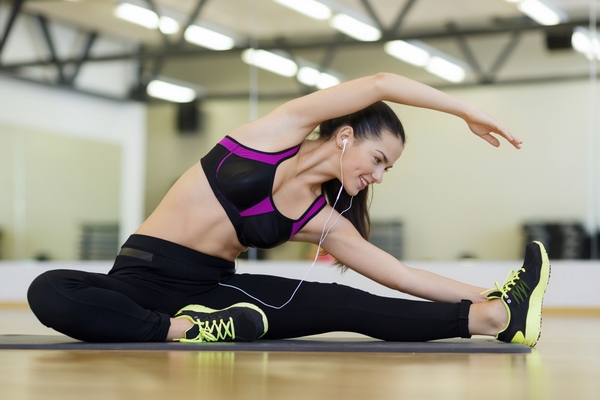
Engaging in sports without proper support can lead to dry, inflamed, or even bleeding nipples. To avoid this, it’s essential to wear the right sports bra, especially for activities like running. For more information on choosing the right bra, you can refer to authoritative sources like this guide.
Menstrual Cycle
Nipple sensitivity can vary depending on your menstrual cycle. Hormones like estrogen and progesterone can make your nipples incredibly sensitive as your period approaches.
Discharge
Nipple discharge is normal, even if you’re not breastfeeding. Occasionally, you might notice some discharge, but it’s usually minimal and goes unnoticed. However, if the discharge becomes frequent, noticeable, or contains blood, it’s important to consult a doctor.
Orgasms
Some women can experience orgasms from nipple stimulation. High sensitivity and touch can lead to strong arousal, culminating in orgasm through active breast and nipple stimulation. This is because nipple stimulation can excite sensors in the brain associated with genitalia.