When to Worry About a Mole: Your Guide to Healthy Skin
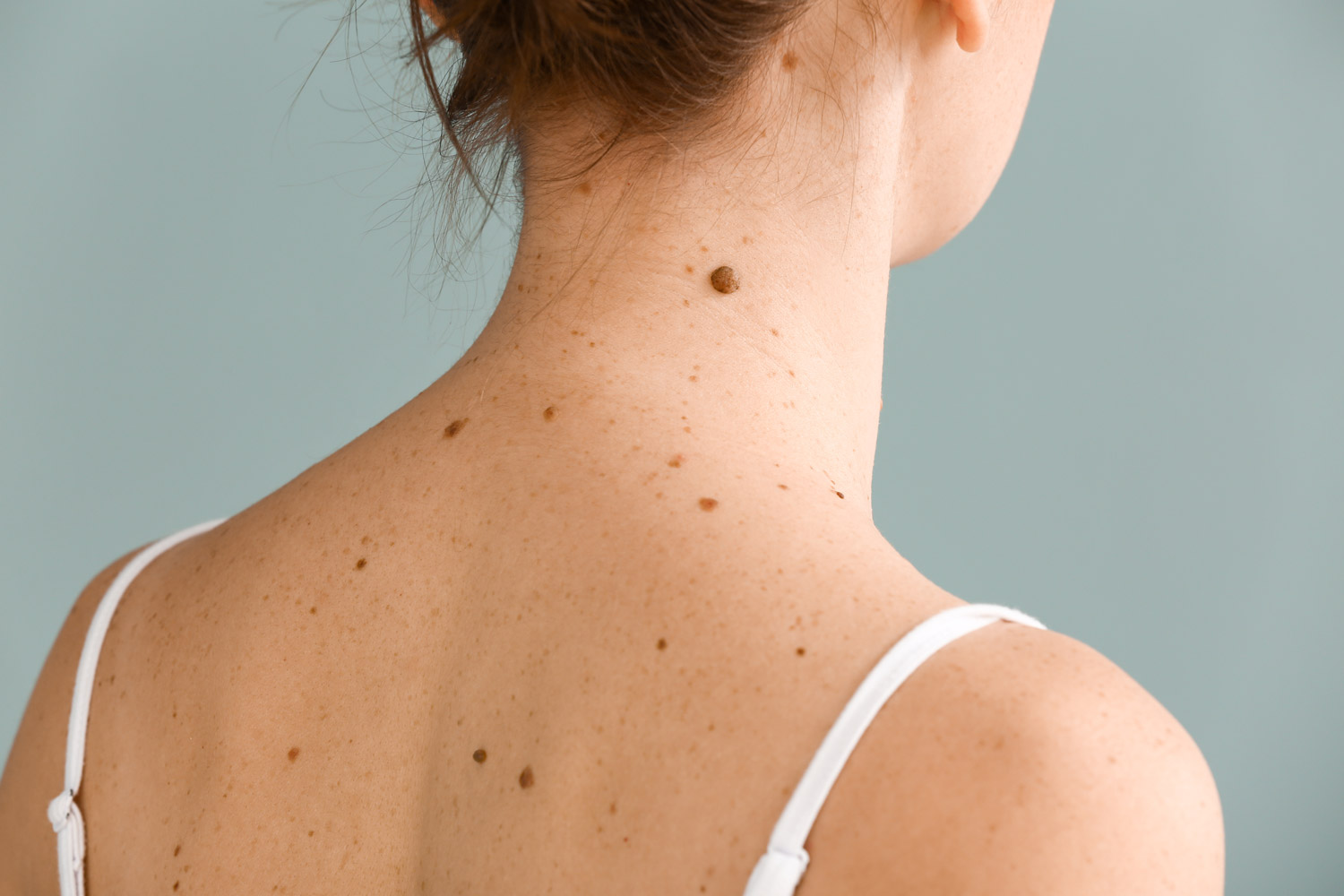
Understanding Skin Cancer and Moles
Skin cancer, notably melanoma, is a major health issue in the U.S. The American Cancer Society states that melanoma starts in the skin’s top layer and can spread quickly if not caught early. Knowing the risks and taking preventive steps is vital for skin health.
Proactive Steps for Skin Health
Preventing skin cancer involves several key actions:
- Avoid Tanning Beds and Excessive Sun: These are leading causes of skin damage.
- Use Sunscreen Daily: Choose a broad-spectrum sunscreen with SPF 30 or higher, even when it’s cloudy. Cover all exposed skin, including your ears.
- Know Your Family History: If skin cancer runs in your family, let your doctor know.
- Steer Clear of Peak Sun Hours: Stay indoors or in the shade between 10 AM and 4 PM when UV rays are strongest.
- Wear Protective Clothing: Opt for wide-brimmed hats and long sleeves for extra protection.
- Reapply Sunscreen: Every two hours, especially after swimming or sweating.
When to Check a Mole
Not all moles are dangerous, but certain changes can signal trouble. See a dermatologist if a mole is asymmetrical, has irregular borders, varies in color, is larger than a pencil eraser, or changes over time.
Using the ABCDE Rule for Self-Checks
The ABCDE rule is a handy guide for checking moles:
- Asymmetry: If you drew a line through the mole, would the halves differ?
- Border: Are the edges uneven or scalloped?
- Color: Is the mole one color, or are there shades of brown, black, red, or blue?
- Diameter: Is the mole larger than a pencil eraser (about 6mm)?
- Evolution: Has the mole changed in size, shape, or color?
How to Do a Self-Exam
For a full self-exam, use a hand mirror and a full-length mirror. Check everywhere, including hard-to-see spots like your palms, soles, and between your toes. If you find anything concerning, see your doctor or dermatologist right away.
Final Thoughts
Regular self-checks and preventive steps are crucial for skin health. See a healthcare professional if you notice any changes in your moles or skin. Early detection is key for successful treatment.