Weight Loss After 50: Unraveling the Challenge and Charting the Path to Success
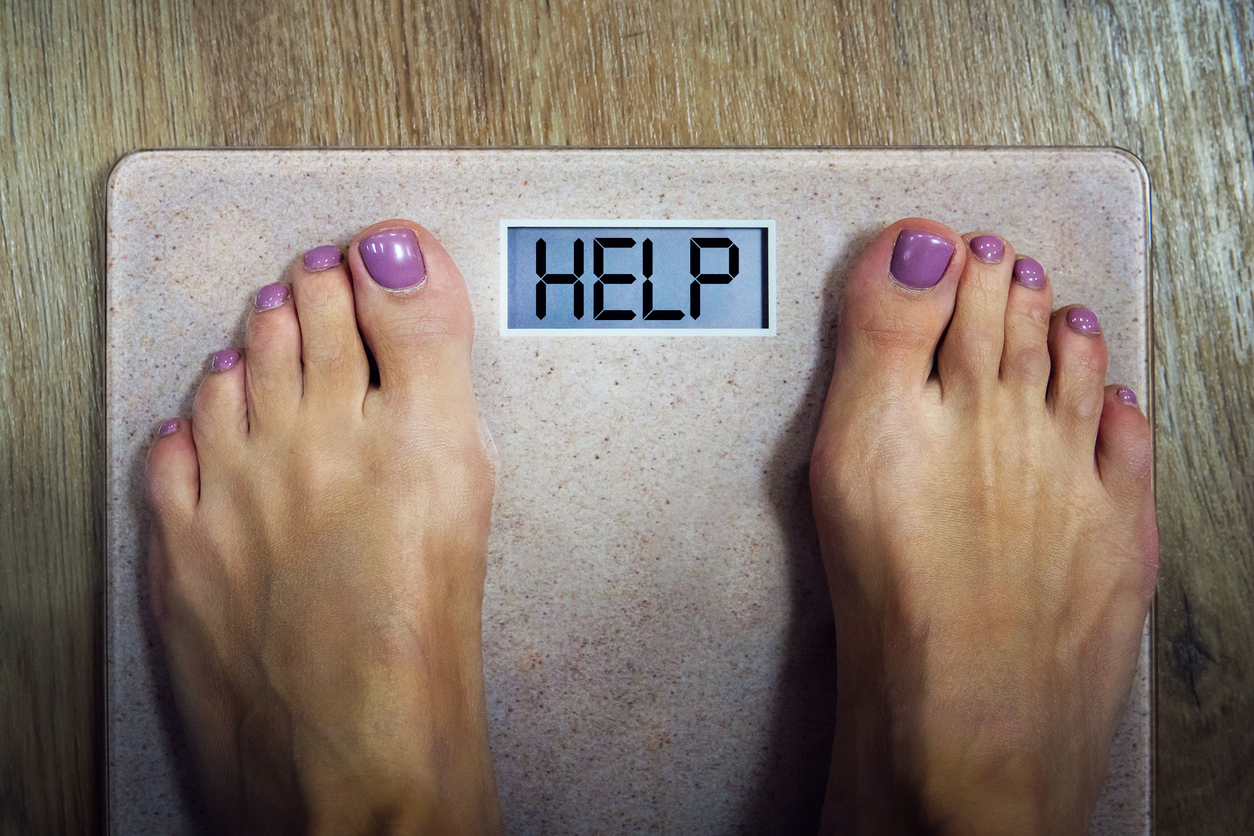
Weight Loss After 50: Unraveling the Challenge and Charting the Path to Success
There’s a shared journey that unites countless women: the quest for weight loss after 50. It’s a common hurdle, with those extra pounds often sneaking up uninvited. Even women who once enjoyed a carefree diet find their wardrobes growing snug. So, what’s the story here? Is middle-aged spread an unavoidable fate? And if so, how can we rise to the challenge?
The Metabolic Maze
Among the factors that make shedding pounds more daunting after 50, a slowing metabolism takes center stage. Metabolism, the pace at which your body torches calories, tends to decelerate post-30 due to several reasons:
- Muscle Mass: Muscles are calorie-burning powerhouses, and they tend to dwindle as we age.
- Hormonal Shifts: Fluctuations during menopause, such as dipping estrogen and testosterone levels, impact metabolism.
Despite this metabolic slowdown, many women maintain their calorie intake, leading to weight gain. Fewer calories burned mean fewer calories needed. It’s a simple equation that, if ignored, can tip the scales.
Dietary Tweaks for a Healthier You
To maintain a healthy weight, consider trimming your daily calorie intake. For the average woman, this could mean shaving off about 100 calories a day. Overlooking this can lead to gaining around 10 pounds a year.
After 50, calorie needs dip from 1,800 to 2,000 calories per day to 1,600 to 1,800 calories per day. If you’ve been consuming around 2,000 calories, ponder where you can cut those extra 100 to 200 calories.
Portion control often trumps complete deprivation of certain foods. However, if you’ve been toying with the idea of skipping cream in your coffee or cheese on your sandwich, now might be the perfect time to make that change.
Navigating Aches and Pains
After turning 50, many women encounter new aches and pains, ranging from lower back pain to stiff necks after a day at the office. Ironically, just when decreased muscle mass and a sluggish metabolism call for more physical activity, these discomforts can make you want to hit the couch instead of the gym.
Staying Active: A Step-by-Step Guide
Kickstart your journey with a stretching program to boost flexibility and ease joint pain and muscle spasms. If yoga isn’t your cup of tea, try simple stretches like toe touches, neck rolls, and arm stretches. These can help ward off those after-work aches and early-morning kinks. Consider using a brace or bandage to support troublesome joints if needed.
Once you’ve gained some flexibility and eased the pain, incorporate activities like walking and swimming. These are gentle on the knees and lower back and excellent for torching calories and revving up metabolism. Alternatively, revisit a physical activity you’ve sidelined due to discomfort.
Muscle Sagging: The Silent Culprit
The loss of muscle mass, known as sarcopenia, is a natural part of aging, especially in less-active adults. It’s estimated that people can lose up to 1 percent of their muscle mass each year after hitting their middle years. Less muscle mass equals a slower metabolism.
Strength Training: Your Secret Weapon
While losing 10 percent of your muscle mass each decade is concerning, it’s not a foregone conclusion. Physically inactive people are most at risk. Strength training and proper nutrition are your best allies in halting muscle loss. Whether you prefer free weights, push-ups, or resistance bands, working your arms, legs, and core a few times a week can make a significant difference in your weight loss journey after 50. Strength training also helps prevent bone loss, a major concern after 50.
Boost your protein intake to support muscle growth. High-protein foods, paired with resistance training, help turn fat into muscle. Opt for healthy protein sources like lean beef, fish, poultry, dried beans, nuts, and seeds.
Sleepless Nights: The Hidden Challenge
The perimenopausal and postmenopausal years often bring sleep challenges. From nighttime bathroom runs to night sweats and increased worries, women tend to have a harder time getting the shut-eye they need as they age.
Recent studies underscore the link between insufficient sleep and weight gain. Fatigue can lead to weight gain through a complex chain of mental and physical reactions. Tired individuals are less likely to exercise and more likely to crave sugary snacks. This can also make healthy cooking less appealing than fast food.
Sleep deprivation can make even slightly challenging situations seem stressful. The stress hormone cortisol can disrupt blood glucose levels, leading to increased cravings for sugary foods and signaling the body to store fat.
Improving Sleep: Your Path to Better Rest
The solutions to sleep deprivation can be as varied as the causes. Here are some tips:
- Establish a regular sleep schedule.
- Create a relaxing bedtime routine.
- Make your sleep environment comfortable.
- Limit exposure to screens before bedtime.
- Consider consulting a healthcare provider for personalized advice.
For more insights on the impact of sleep on weight loss, refer to this WebMD article.