Weak Grip Strength? The Shocking Link Between Your Hands and Longevity (And How to Fix It)
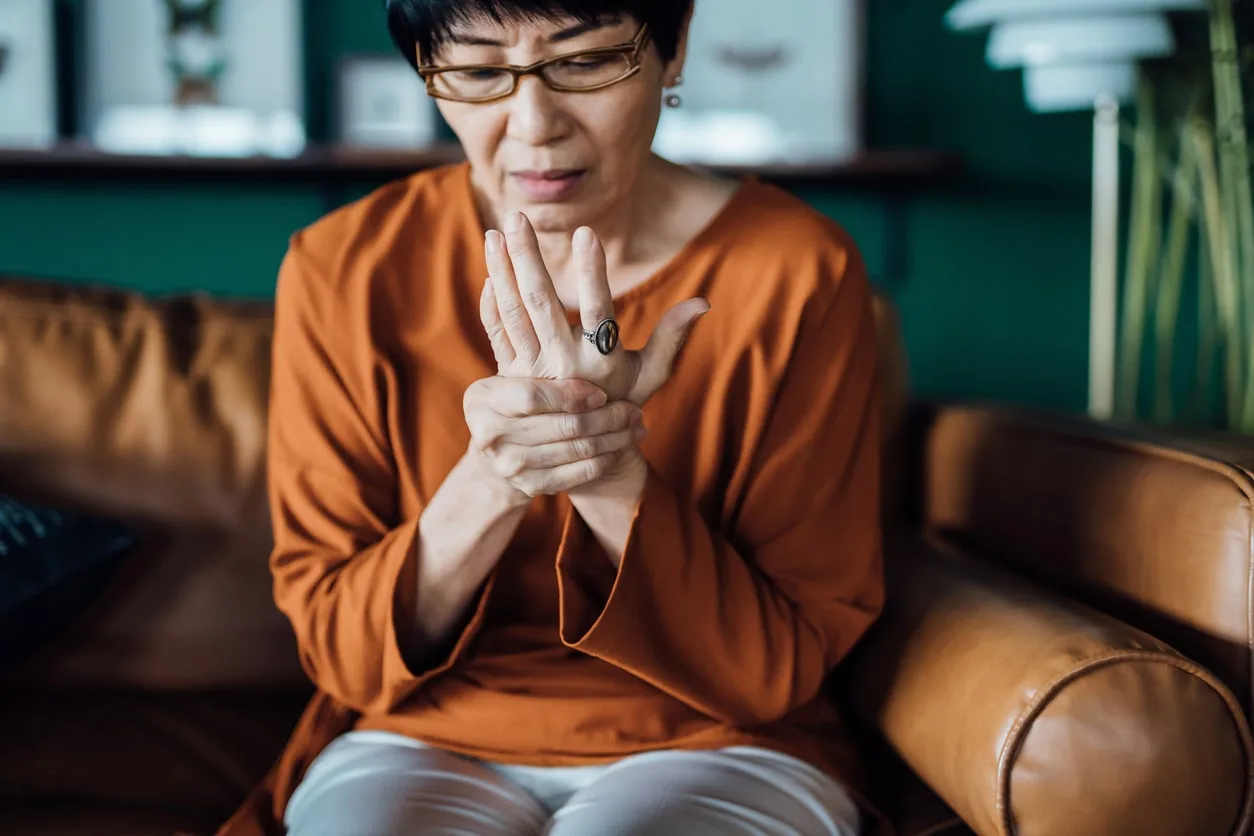
Your Hands Could Be the Key to a Longer, Healthier Life
Remember when your mom would hand you a stubborn jar and say, “My grip strength is shot—can you open this for me?” You probably didn’t think twice about it. But here’s the surprising truth: that loss of hand strength isn’t just an inconvenience. It’s one of the most powerful predictors of your overall health—and even how long you’ll live.
Science shows that grip strength isn’t just about opening pickle jars or carrying groceries. It’s a shockingly accurate indicator of mortality, often more reliable than blood pressure or other traditional health markers. Weak hands can signal declining muscle mass, reduced mobility, and a higher risk of disability as you age. The good news? You can take action to slow—or even reverse—this decline.
Why Grip Strength Is a Better Predictor of Longevity Than You Realize
For years, doctors have relied on metrics like blood pressure and cholesterol to gauge long-term health. But recent research suggests that grip strength might be an even better indicator of how long—and how well—you’ll live. Here’s why:
It Reflects Overall Muscle Health
Weak grip strength often means weaker muscles throughout your entire body. This can lead to functional limitations, a higher risk of falls, and even chronic conditions like sarcopenia (age-related muscle loss). Strong muscles aren’t just about strength—they’re about independence, mobility, and resilience.
It’s Linked to Biological Aging
Studies have found that people with weaker grips tend to have DNA that appears older than their actual age. Even when compared to peers in the same age group, those with poor grip strength show signs of accelerated cellular aging. This means your hands might be revealing more about your body’s internal clock than you realize.
It Predicts Mobility and Independence
As grip strength declines, so does your ability to perform everyday tasks—from carrying groceries to turning doorknobs. This loss of independence can take a toll on your quality of life, leading to frustration, reduced activity, and even depression. Strong hands, on the other hand, help you stay active, engaged, and in control of your daily life.
If your hands are getting weaker, it’s not just about convenience. It’s a sign that your body might be aging faster than it should—and it’s time to take action.
The Aging Hand: More Than Just Wrinkles and Age Spots
As we age, our hands change in ways that go far beyond appearance. While wrinkles, age spots, and dry skin might bother you aesthetically, the functional decline in your hands is what truly matters for long-term health. Here’s what’s happening beneath the surface:
Visual Changes (The Ones You Notice in the Mirror)
- Wrinkles and fine lines
- Age spots and sun damage
- Dry, loose, or thin skin
- More visible veins
- Brittle, stained, or ridged nails
- Red, peeling, or irritated skin
Functional Changes (The Ones That Affect Your Health)
- Decline in grip strength: The most noticeable change, making it harder to hold objects or perform tasks that were once effortless.
- Weaker hand and finger muscles: Difficulty with fine motor skills, like buttoning a shirt, typing, or using utensils.
- Loss of pinch control: Struggling to pick up small items or use tools with precision.
- Slower hand speed: Reflexes slow down, which can affect everything from catching a falling object to reacting in time to prevent a fall.
- Reduced sensation: Numbness or tingling in the hands, often due to nerve damage or poor circulation.
These changes aren’t just a normal part of aging—they’re often the result of structural breakdowns in your joints, muscles, tendons, and nerves. The good news? You can fight back with targeted exercises and lifestyle changes.
How to Strengthen Your Hands and Add Years to Your Life
Just like you work out your legs or core, your hands need exercise too. Strengthening your grip, improving dexterity, and sharpening hand speed can help you maintain independence, prevent injuries, and even extend your lifespan. Here’s how to do it:
1. Boost Your Grip Strength
Grip strength isn’t just one thing—it’s a combination of crushing (squeezing), pinching (holding between fingers and thumb), and supporting (holding an object steady). Try these simple exercises to build strength:
- Ball squeezes: Use a stress ball or tennis ball. Squeeze for 5 seconds, release, and repeat for 10-15 reps per hand.
- Hand open/close: Extend your hand fully, then make a tight fist. Repeat 10-15 times per hand.
- Towel wring: Soak a towel in water, then wring it out using only your hands. This builds both grip and forearm strength.
- Resistance bands: Loop a band around your fingers and pull against the resistance to strengthen your grip.
For a more structured approach, consider a hand grip strengthener kit. These affordable tools (often under $20) can help you progressively increase resistance and track your progress over time.
2. Improve Hand Dexterity
Dexterity isn’t just about fine motor skills—it also supports larger movements like standing up, pushing, pulling, and hand-eye coordination. Here are some easy ways to keep your hands nimble and agile:
- Learn a musical instrument: Playing the piano, guitar, or even a ukulele forces your fingers to move in precise, coordinated ways.
- Make a fist (then release): Simple but effective. Repeat 10-15 times per hand to improve circulation and strength.
- Practice handwriting: Writing by hand (instead of typing) engages different muscles and keeps your fingers agile.
- Sort small items: Use tweezers to pick up beads, coins, or buttons. This improves pinch strength and precision.
- Knitting or sewing: These activities require fine motor control and can be a relaxing way to keep your hands in shape.
3. Sharpen Hand Speed and Coordination
As we age, our reflexes slow down, which can affect everything from reaction time to balance. One of the best ways to combat this? Boxing.
Boxing workouts combine speed training, muscle memory, and full-body engagement. Here’s why it’s perfect for aging hands (and bodies):
- Improves hand speed: Throwing punches—even light ones—trains your hands to move quickly and precisely.
- Enhances coordination: Boxing requires your hands, eyes, and feet to work together, sharpening your reflexes.
- Boosts brain health: The mental focus required in boxing can help keep your mind sharp and reduce the risk of cognitive decline.
- Low-impact options: Many boxing classes are adaptable for all fitness levels, including those with joint issues or previous injuries.
- Full-body workout: Power in boxing starts in your legs and core, so you’ll improve stability and strength from head to toe.
If boxing isn’t your thing, try other activities that require quick hand movements, like playing a fast-paced video game, juggling, or even dancing.
Strong Hands, Stronger Life
It’s easy to overlook our hands when we’re focused on bigger health concerns like heart disease, joint pain, or mobility issues. But the truth is, your hands are a window into your overall health. Weak grip strength isn’t just a sign of aging—it’s a warning sign that your body might be declining faster than it should.
The solution? Treat your hands like any other muscle group. Incorporate grip exercises, dexterity drills, and coordination training into your routine. Whether you’re in your 50s or your 80s, it’s never too late to strengthen your hands—and, in the process, extend your healthspan and lifespan.
So next time you struggle to open a jar, don’t just shrug it off. See it as a reminder to give your hands the attention they deserve. After all, they’ve carried you this far—isn’t it time you returned the favor?
For further reading, check out this study on grip strength and mortality from the National Center for Biotechnology Information.