Unveiling the Mystery of Dark Circles: Expert Insights on Types and Treatments
Unveiling the Mystery of Dark Circles: Expert Insights on Types and Treatments
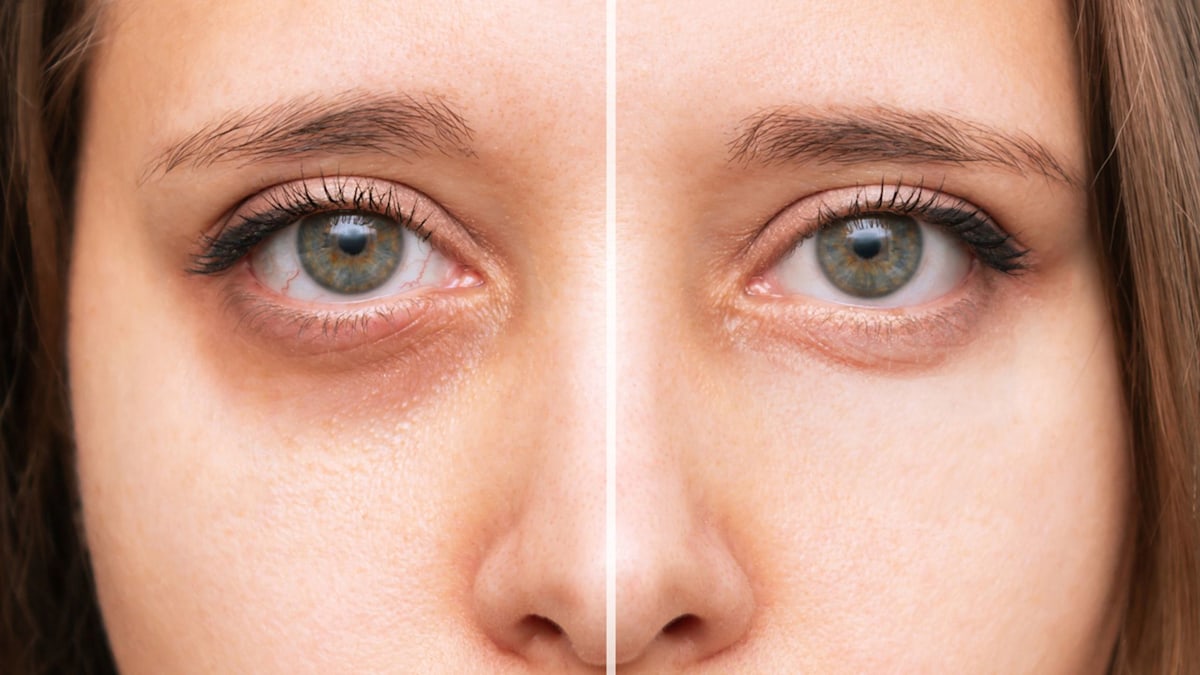
Dark circles under the eyes are a common concern for many people. While genetics play a significant role, there are several other factors within your control that can help reduce their appearance. Let’s delve into the causes and solutions for this prevalent issue.
The Root Causes of Dark Circles
According to Gema Cabañero, founder of an Anti-Ageing and Advanced Aesthetic Clinic in Madrid, Spain, dark circles can be attributed to various factors:
Genetics
Some individuals are genetically predisposed to have thinner skin under their eyes or a higher concentration of pigment in that area, leading to dark circles.
Lifestyle Factors
Lifestyle choices such as smoking, excessive alcohol consumption, and a high-salt, nutrient-deficient diet can exacerbate skin health issues, making under-eye shadows more prominent.
Lack of Sleep
Inadequate sleep can trigger an inflammatory response in the body, leading to various skin conditions, including dark circles. Proper sleep is crucial for maintaining hydration balance and repairing the skin barrier.
The Four Main Types of Dark Circles
Understanding the type of dark circles you have is essential for effective treatment. Cabañero identifies four specific types:
Genetic Dark Circles
These are hereditary and appear from an early age, often with a brownish tone. While they can be challenging to treat, certain aesthetic procedures can improve their appearance.
Sleep-Deprived Dark Circles
Lack of sleep causes changes in blood circulation around the eyes, leading to the dilation of blood vessels. This results in a bluish tint visible through the skin. Quality sleep is vital for cellular repair and hormonal balance.
Ageing-Related Dark Circles
The loss of collagen and elastin as we age causes the skin to lose firmness and become thinner. This results in “shadowed” discolorations that often appear alongside eye bags.
Pigmented Dark Circles
Characterized by a brownish color, these dark circles are primarily caused by years of sun exposure, leading to an overproduction of melanin.
At-Home Solutions for Brightening Tired Eyes
Cabañero offers simple yet effective at-home routines to reduce the appearance of dark circles:
- Hydration: Drink at least two liters of water a day to keep your skin hydrated and prevent it from looking dry and dull.
- Eye Masks: Use an eye mask once a week. Look for ingredients that promote hydration.
- Sun Protection: Avoid prolonged sun exposure without adequate protection to prevent hyperpigmentation in the delicate under-eye area.
By understanding the causes and types of dark circles, you can take targeted steps to reduce their appearance and achieve a brighter, more refreshed look.