Transforming European Fashion: Key Decisions by 23 Countries in the European Fashion Alliance
Transforming European Fashion: Key Decisions by 23 Countries in the European Fashion Alliance
European fashion is on the brink of a significant transformation. Members of the European Fashion Alliance (EFA) have developed a comprehensive action plan aimed at fostering a sustainable and inclusive future for the European fashion industry. This pivotal decision was made during the first summit held on Gran Canaria, attended by representatives from 23 European countries.
The Gran Canaria Summit
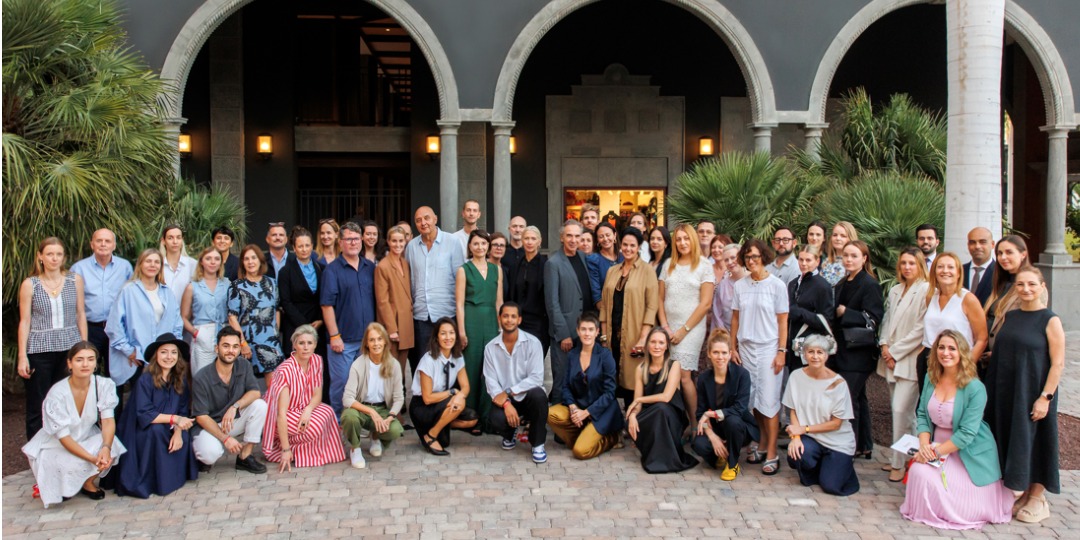
Invited by Gran Canaria’s organizations Moda Calida and the state agency Cabildo de Gran Canaria, members of the European Fashion Alliance, established in Frankfurt in June 2022, gathered in Maspalomas on October 19 and 20. The summit coincided with the Gran Canaria Swim Week, the only Beach Fashion Week in Europe.
Objectives and Goals
The summit, attended by 59 representatives from 23 European countries, aimed to discuss and agree on a set of measures and actions to support and promote the transformation of the fashion industry in Europe. The Alliance comprises 29 organizations, including fashion councils, research and educational institutions, and organizers of major global Fashion Weeks (Paris, Milan, London, Copenhagen, Riga, and others). Collectively, the participating countries represent over 10,000 European fashion companies, ranging from micro-enterprises to large corporations.
The Green Deal and Sustainability
One of the primary topics discussed was the “Green Deal,” proposed by the President of the European Commission, Ursula von der Leyen, in 2019. This initiative aims to reduce greenhouse gas emissions to zero by 2050. The EFA believes that the fashion industry must immediately contribute to this goal. The Alliance aims to create an ecologically neutral, sustainable, and non-toxic textile industry while raising awareness among producers, designers, and consumers.
The Four Pillars
During the Gran Canaria meeting, the EFA identified four key pillars for their targeted measures: sustainability, education, policy, and innovation. The representatives of the European Fashion Alliance are confident that sustainable initiatives, combined with digital transformation, innovation, and educational activities in the labor market, will drive more conscious production in the fashion industry. To accelerate this transition, the EFA will focus on intercultural exchange and collaboration among creative professionals, as well as supporting young talents as key catalysts for change.
Insights from Industry Leaders
Pascal Morand, President of the Federation de la Haute Couture et de la Mode, emphasized the cultural significance of fashion:
“Fashion transcends market trade; it is part of culture. We operate in a market economy, but it is equally important for those outside the industry to recognize the impact of creative fashion on sustainable development on a global scale.”
Action Plan for 2023-2027
From 2023 to 2027, the European Fashion Alliance will implement its goals based on four main principles:
- Establishing an ethical, social, and sustainable code of conduct for EFA members and the fashion industry as a whole.
- Implementing the Green Deal for the fashion industry in Europe, both culturally and commercially. This agreement is based on a European closed-loop ecosystem using a shared database and a unified measurement system.
- Creating and implementing sustainable and technological training and practices of social and cultural responsibility for key EFA stakeholders.
- Empowering Generation Z and new generations as driving forces in the digital, closed-loop, and social reorganization of the fashion industry.
Future Initiatives
The summit participants agreed that to stimulate change, the new vision and goals of the EFA must be implemented within specific timelines and supported by a plan for the next two to three years, considering the political and economic agendas.
Elena Strahova, President of the Baltic Fashion Federation and organizer of Riga Fashion Week, highlighted the importance of educating new designers:
“We are on the path to forming a new generation of designers who build their businesses on new eco-values from the outset. Fashion Week is a point of contact between industry professionals and consumers, and this moment must be used to its fullest potential to convey these new values to consumers and explain what lies behind them.”
In 2023, the EFA will conduct a pan-European survey of participating organizations to study the needs and challenges of micro, small, medium, and large enterprises in the fashion industry, as well as in education, research, and related industrial sectors. The information obtained from the survey will allow the EFA to develop new policies based on priorities that comply with existing legislation, including the EC’s strategy on sustainability and textile recycling, as well as new policies and support programs for fashion and creative industries in the EU.
The goal is to provide stakeholders with a better understanding of European law, an area where many creative entrepreneurs still “lose their way.”
Carlo Capasa, Chairman of the Camera Nazionale della Moda Italiana, emphasized the mission of the EFA:
“Our mission is to inform consumers and fashion brands about what it means to be sustainable and to place great value on creativity, acknowledging all the people behind it. One of the main tasks of the EFA is to engage the brands of the alliance members to tell the story of how their products are created, representing a new vision of the fashion of the future. By working together in the alliance, we can show other sectors what can be achieved by working together.”
Additionally, the EFA will engage and empower young talents, actively involving them in leadership roles and events within the organization alongside established brands and institutions.
For more information, visit the official European Fashion Alliance website.