Transform Your Garden Treasures: A Guide to Pressing Plants and Flowers into Art
Reviving the Art of Flower Pressing
The timeless art of flower pressing is making a comeback. Discover how to preserve the beauty of your garden in a modern and striking way.
The Aesthetics of Pressed Plants
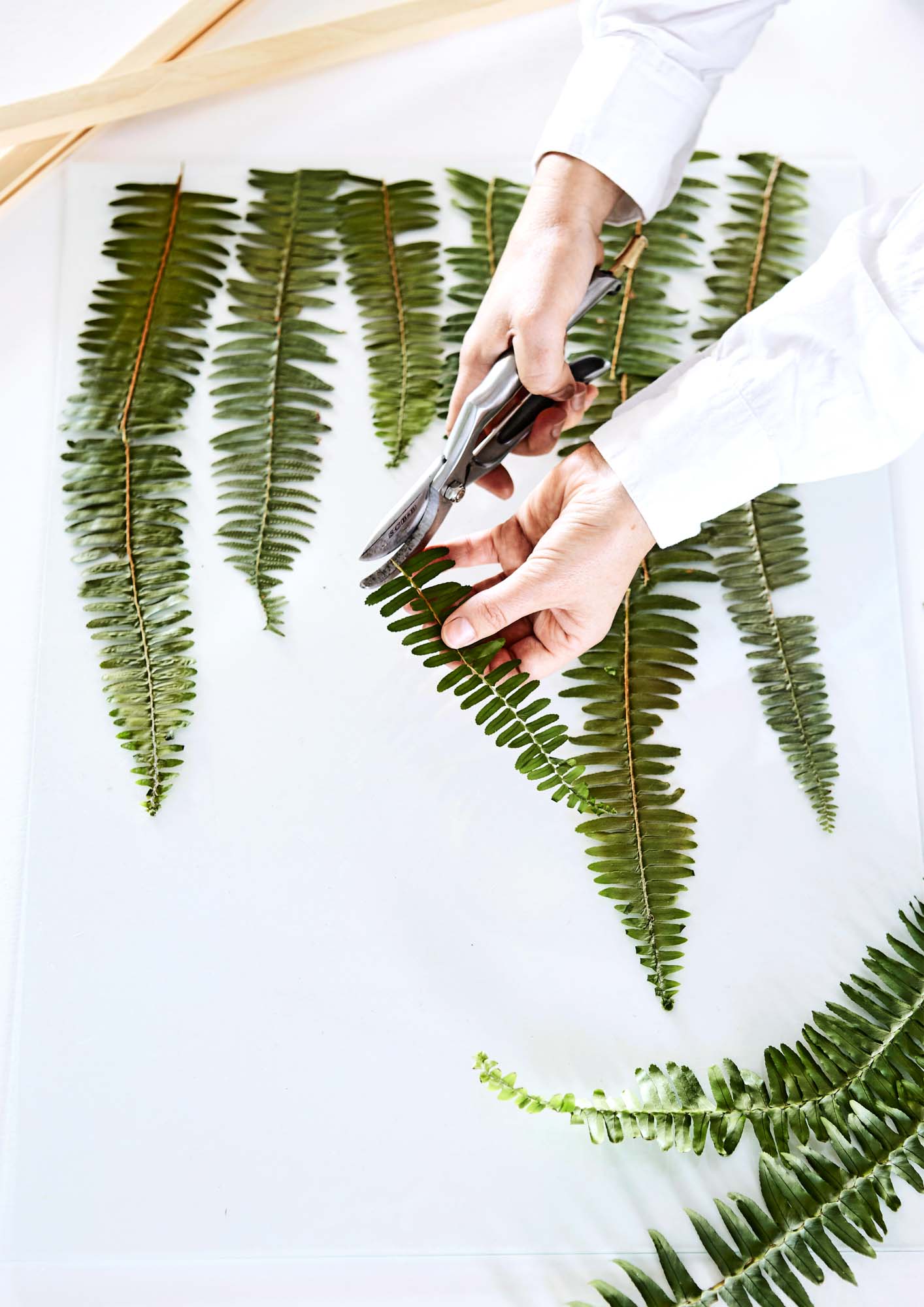
Modern pressed plants and leaves are not just about preservation; they’re about making a statement in your home. Look for leaves with interesting shapes and arrange them in a pattern that catches the eye. A collection of pressed nasturtium leaves, ferns, and a single sculptural leaf can create a stunning contrast with fresh leaves and potted plants.
Decorating with Pressed Plants
There are no strict rules for decorating with pressed plants and flowers. A mismatched collection can be paired with a hanging plant to create an attractive display that complements the garden outside. Taller plants like lilies and irises can be particularly effective in interior settings. Displaying cuttings between sheets of glass enhances their color and allows light to filter through, adding a contemporary touch to the classic art of plant pressing.
How to Press Plants and Flowers
Pressed-plant displays can be complemented with succulents and bulbs to create a layered, three-dimensional effect. Any space can be transformed with the addition of plants and flowers, and pressed botanicals help preserve that natural feel. Whether you gather leaves, sprigs, or blooms from your garden or on a walk, all you need is an appreciation of color and form.
Materials Needed:
- Plant cuttings and/or flowers
- Secateurs or scissors
- Vessels for sorting and standing stems in water
- A small roller for flattening leaves and flowers
- A craft knife for dissecting larger flowers
- A flower press (or heavy books weighted down with bricks)
- Cotton sheets, muslin, or blotting paper
- Thick card to use as stabilizers in your press
Method:
- Pick your plants and flowers: Harvest flowers in the morning after the dew has evaporated and when they have just opened.
- Prepare the stems: Immediately after cutting, plunge the stems into cold water and recut them underwater at an angle. Allow them to stand in the water to absorb as much water as possible.
- Clean and dissect: Remove any stamens, wipe the leaves clean, and dissect larger flowers into pressable segments.
- Flatten the flowers and leaves: Carefully roll the flowers and leaves flat with the roller.
- Arrange in the press: Place plants in your press, laying cotton, muslin, or blotting paper between layers. Use thick card to stabilize your press.
- Press and wait: Leave the press in a cool, dry place for a week. Replace the paper if necessary, then leave for an additional 2-3 weeks. Your flowers and/or leaves should now be ready for framing and displaying.
Tips for Pressing
- Larger leaves, flowers, and plants can take 2-3 weeks to dry properly.
- For a quicker method, use a microwave to dry small blooms for pressing in just a few minutes.
- Look for flowers with flat petals such as poppies, tulips, cosmos, calla lilies, alstroemeria, narcissus, freesias, and lisianthus. Roses are difficult to press, but individual petals can work. Larger flowers like hibiscus can be dissected.
- Leaves that press well include those from monstera, ferns like maidenhair or ponga, and certain philodendrons.
- Herbs and young vegetable leaves press well and look great as part of kitchen decor.
- Pressed flowers and leaves fade with time. Displaying them out of direct sunlight will prolong their life.
- Glass is the obvious choice for frames, but Perspex also works.
For more inspiration, visit Example Garden Art.