Top 10 Expert Tips for Growing Your Own Fresh Produce at Home
Why Grow Your Own Produce?
Cultivating your own fruits and vegetables is a rewarding way to stay active, save money, and enjoy fresher, more nutritious meals. Whether you have a spacious backyard or a cozy balcony, home gardening is accessible to everyone. Below, we’ll explore 10 expert tips to help you cultivate a thriving garden and the surprising benefits of eating what you grow.
10 Essential Tips for Growing Your Own Produce
Use Raised Beds with Nutrient-Rich Soil
Raised beds improve aeration and drainage, leading to healthier, more productive plants. A well-balanced soil mix encourages beneficial microorganisms that feed your plants. Research your crops’ specific soil needs. For example, tomatoes thrive in slightly acidic soil, while leafy greens prefer neutral soil.
Prioritize Sunlight and Smart Plant Placement
Most vegetables need at least 6 hours of sunlight daily. Place your garden in a south-facing spot to maximize exposure. Arrange crops in triangular patterns to save space and improve airflow. Tall plants should go on the north side to avoid shading shorter ones.
Water Wisely
Overwatering can drown roots, while underwatering stresses plants. Aim for 1 inch of water per week, including rainfall. Use a soaker hose or drip irrigation to deliver water directly to roots and reduce evaporation. Check soil moisture by sticking your finger 1-2 inches deep. If it’s dry, it’s time to water.
Avoid Over-Fertilizing
While fertilizers provide nutrients, too much can burn plants and disrupt soil health. Use organic options like compost or worm castings, and follow package instructions. A soil test can reveal nutrient deficiencies so you can fertilize only when needed.
Practice Companion Planting
Some plants protect each other from pests or improve growth. For example:
- Tomatoes and basil: Basil repels flies and mosquitoes while enhancing tomato flavor.
- Carrots and onions: Onions deter carrot flies, and carrots loosen soil for onion roots.
- Marigolds: Plant them around your garden to repel nematodes and aphids.
Start Small and Choose Easy Crops
If you’re a beginner, opt for low-maintenance plants like leafy greens, herbs, radishes, and zucchini.
Rotate Crops Annually
Planting the same crops in the same spot year after year depletes soil nutrients and invites pests. Rotate plant families to maintain soil health and reduce disease risk.
Mulch to Retain Moisture and Suppress Weeds
A 2-3 inch layer of organic mulch keeps soil moist, regulates temperature, and blocks weeds. Mulching also prevents soil-borne diseases from splashing onto leaves during rain.
Harvest at the Right Time
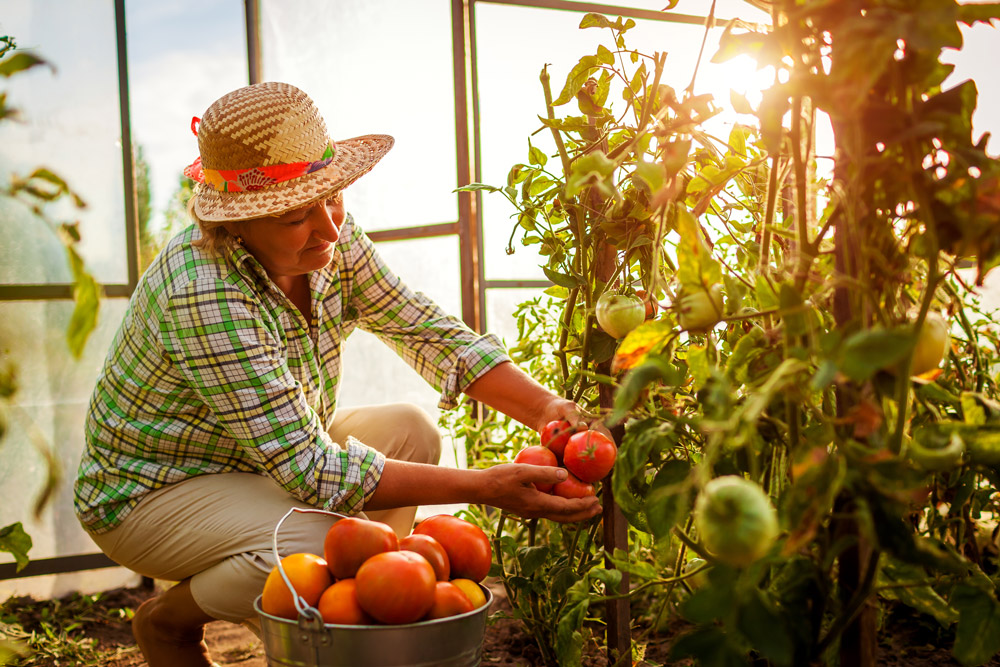
Picking produce at peak ripeness ensures the best flavor and nutrition. Signs of readiness include deep color and slight softness for tomatoes, firmness and bright green color for cucumbers, and harvesting outer leaves first for leafy greens to encourage regrowth.
Preserve Your Harvest
Extend the life of your homegrown produce with these methods:
- Freezing: Blanch vegetables like broccoli or green beans before freezing.
- Canning: Ideal for tomatoes, pickles, and jams.
- Dehydrating: Great for herbs, apples, or peppers.
- Fermenting: Turn cabbage into sauerkraut or cucumbers into pickles.
5 Surprising Benefits of Growing Your Own Food
Eat Healthier
Homegrown produce is fresher and more nutrient-dense than store-bought options. Gardeners eat more fruits and vegetables because they’re readily available. Plus, you control pesticide use, reducing chemical exposure.
Reduce Stress and Boost Mental Health
Gardening is a natural stress reliever. The combination of sunlight, fresh air, and physical activity triggers the release of serotonin and dopamine, improving mood. A study by the Journal of Health Psychology found that gardening lowers cortisol (the stress hormone) more effectively than reading.
Save Money on Groceries
A packet of seeds can yield pounds of produce, slashing your grocery bill. For example, a single tomato plant can produce 10-15 lbs of fruit in a season, and a 4×4 ft raised bed can grow over $200 worth of vegetables annually.
Lower Your Carbon Footprint
By growing your own food, you eliminate fossil fuels used in shipping, reduce plastic packaging, and avoid pesticides and herbicides that pollute soil and water.
Build Community and Share the Bounty
Gardening fosters connections. Swap surplus produce with neighbors, donate to food banks, or join a community garden. Teaching kids to garden instills healthy habits and a love for nature.
FAQ: Home Gardening for Beginners
How much space do I need to grow my own produce?
You don’t need a large yard. Container gardening works well for apartments, balconies, or patios. Even a 5-gallon bucket can grow tomatoes, peppers, or herbs. Vertical gardening maximizes small spaces.
What are the easiest vegetables to grow for beginners?
Start with low-maintenance, high-yield crops like lettuce, radishes, green beans, zucchini, and herbs.
How do I protect my garden from pests naturally?
Avoid chemical pesticides with these eco-friendly methods:
- Companion planting (e.g., marigolds repel nematodes).
- Neem oil spray (deters aphids and mites).
- Handpicking pests (like tomato hornworms).
- Encourage beneficial insects (ladybugs eat aphids; lacewings devour pests).
Can I grow produce indoors?
Yes, you can grow produce indoors. Herbs, leafy greens, and even some varieties of tomatoes and peppers can thrive indoors with sufficient light and proper care.




One Comment