The Uphill Battle: Women’s Journey Through a Broken ADHD Diagnosis System
The Uphill Battle: Women’s Journey Through a Broken ADHD Diagnosis System
In the United States, women seeking an ADHD diagnosis often face a path that is both expensive and lengthy. As public figures have recently highlighted, the current system is far from accommodating for individuals with ADHD. This article explores the experiences of three women who navigated this challenging journey and found their lives improved as a result.
The Long and Winding Road to Diagnosis
The path to an ADHD diagnosis for women is often filled with hurdles. The process is not only costly but also time-consuming, demanding significant persistence. Many women find themselves struggling to obtain the help they need, often encountering a system that seems designed to obstruct rather than aid.
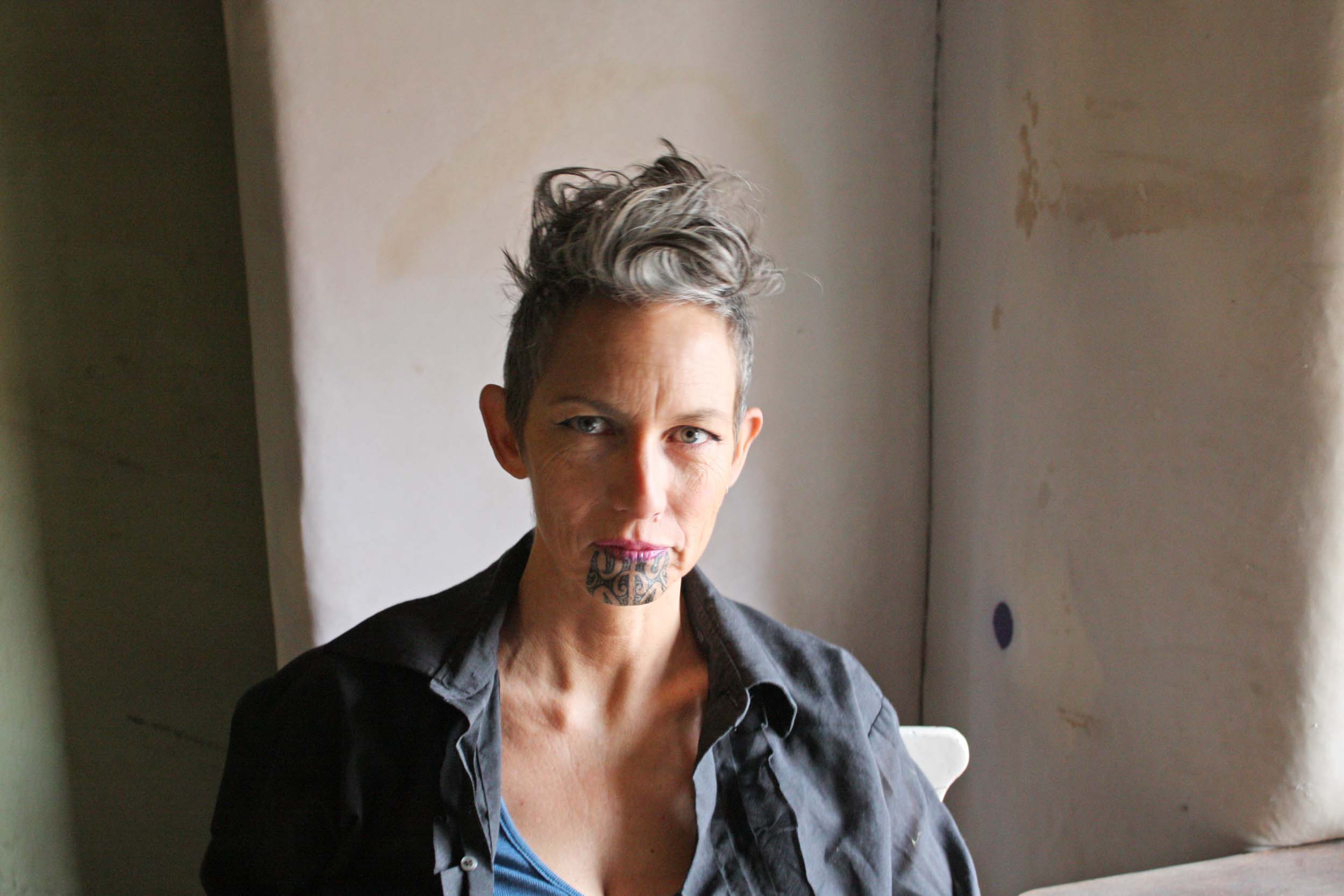
Hinemoana Baker: A Voyage of Self-Discovery
Hinemoana Baker, an acclaimed writer and poet, began her journey to diagnosis in 2014 when she found herself unable to read or focus on anything longer than a paragraph. Her symptoms intensified over time, impacting her ability to write and concentrate. Despite her struggles, she managed to secure writing residencies, but her ADHD symptoms continued to escalate.
Baker’s experience underscores a common issue among women with ADHD: the use of masking and coping strategies that make the condition less noticeable. However, major life events such as trauma, grief, or significant stress can strip away these coping mechanisms, allowing ADHD to take over. For Baker, a series of personal losses and health issues led to a breakdown in her coping strategies, making her ADHD more apparent.
It wasn’t until 2019 that Baker received a proper diagnosis. Through her health insurance, she accessed a therapist who specialized in ADHD, particularly how it manifests differently in girls and women. After a detailed questionnaire and assessment, Baker was diagnosed with ADHD and prescribed medication, which significantly improved her ability to read, write, and manage daily tasks.
Isabella Stevens: Navigating the Healthcare Maze
Isabella Stevens, a 27-year-old artist, returned to the United States during the pandemic and faced the usual challenges of readjustment. However, her struggles with forgetfulness, inability to concentrate, and comments from a colleague led her to suspect she might have ADHD. Despite the abundance of online resources and self-assessment tests, obtaining a proper diagnosis proved to be a daunting task.
Stevens’ journey involved contacting numerous psychiatrists, with the earliest appointment available eight months later. The process was not only time-consuming but also expensive, with initial assessments costing hundreds of dollars and additional costs for follow-up appointments and prescriptions. Despite these challenges, Stevens found that the diagnosis itself was invaluable in helping her understand herself better.
Louise Adams: Reflecting on Academic Life
Louise Adams, an editor and digital producer, reflects on her academic life and recognizes the red flags that were present. Her experience underscores the importance of understanding ADHD and its impact on women’s lives. The journey to diagnosis and treatment can be arduous, but the benefits of understanding and managing ADHD can be life-changing.
The Importance of Awareness and Support
The experiences of these women highlight the need for greater awareness and support for women with ADHD. The current system often fails to provide the necessary resources and accommodations, making it crucial for women to seek out information and support networks. Organizations and online communities can offer valuable resources and a sense of community for those navigating the challenges of ADHD.
For more information on ADHD and support resources, visit the Centers for Disease Control and Prevention (CDC) website.