The Ultimate Guide to Retinoids: Types, Benefits, and Tips for Glowing Skin
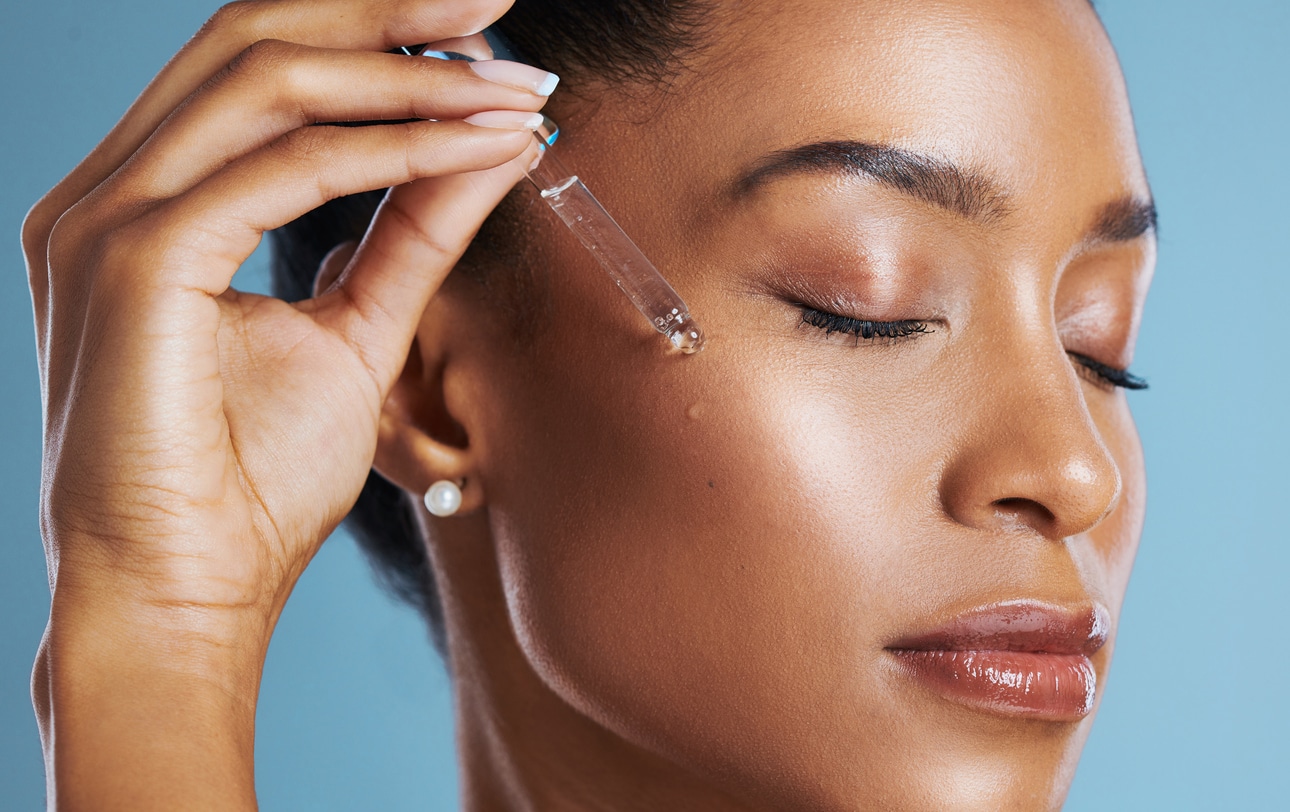
Unlocking the Secrets of Retinoids for Radiant Skin
Retinoids, derived from vitamin A, are a powerhouse family of compounds celebrated for their remarkable skin benefits. From diminishing fine lines and wrinkles to improving skin texture and tone, retinoids are a game-changer in skincare. However, not all retinoids are the same. Understanding their differences can help you select the perfect match for your skin type and concerns. With proper use, retinoids can help you achieve a healthy, glowing complexion at any age. Let’s dive into the various types of retinoids and their unique benefits.
Retinol: The Gentle Giant
Retinol is one of the most popular retinoids in skincare, renowned for its anti-aging properties. As a vitamin A derivative, it has been extensively studied and proven effective. Retinol boosts collagen production, a protein essential for maintaining skin firmness and elasticity, and accelerates cell turnover, revealing fresher, brighter skin.
Retinol is relatively gentle, making it an excellent choice for beginners or those with sensitive skin. However, mild irritation may occur, especially when first starting. Retinol is available in various strengths, typically ranging from 0.25% to 2%. To minimize irritation, start with a lower strength and gradually increase.
Retinaldehyde: The Efficient Performer
Retinaldehyde is a more potent form of vitamin A than retinol. It converts into retinoic acid, the active form of vitamin A, more quickly and efficiently, making it highly effective. Despite its potency, retinaldehyde is less irritating than retinol, making it suitable for sensitive skin. It is available in strengths ranging from 0.05% to 0.1%.
Retinoic Acid: The Prescription Powerhouse
Retinoic acid is the active form of vitamin A and the most potent retinoid available. It is prescription-only and used to treat acne and combat signs of aging. Retinoic acid increases cell turnover, reduces sebum (oil) production, and decreases inflammation.
Due to its potency, retinoic acid can cause significant irritation, especially for new users. It is crucial to follow your dermatologist’s instructions carefully and start with a low strength to minimize irritation risk.
Adapalene: The Acne Fighter
Adapalene is a synthetic retinoid available by prescription and in some over-the-counter products. Primarily used to treat acne, it also offers anti-aging benefits. Adapalene reduces inflammation and increases cell turnover, helping to unclog pores and diminish acne appearance.
Adapalene is less irritating than retinoic acid but can still cause dryness and irritation, particularly for new users. Start with a low strength and follow your dermatologist’s instructions carefully.
Tretinoin: The Versatile Prescription
Tretinoin is a prescription-strength retinoid used to treat acne and provide anti-aging benefits. It is essentially retinoic acid but available in lower strengths. Tretinoin increases cell turnover and reduces inflammation, helping to unclog pores and improve acne appearance. Like retinoic acid, tretinoin can cause significant irritation, especially for new users.
Tretinoin is available by prescription only and is marketed under several brand names in the United States, including:
- Retin-A: A tretinoin cream, gel, and microsphere formulation.
- Renova: A tretinoin cream specifically for treating fine lines and wrinkles, with a lower concentration of tretinoin than Retin-A, making it less irritating for sensitive skin.
- Avita: A tretinoin cream for acne treatment, with a lower concentration of tretinoin than Retin-A, ideal for new users or those with sensitive skin.
Isotretinoin: The Oral Solution
Isotretinoin is an oral retinoid used to treat severe acne. It reduces sebum (oil) production and decreases skin inflammation. Isotretinoin is highly effective for treating acne but has potentially serious side effects, including birth defects, depression, and liver damage. It is prescription-only and requires close monitoring by a dermatologist.
Tips for Using Retinoids Safely
While retinoids are highly effective for various skin concerns, they can cause irritation, especially for new users. To minimize irritation:
- Follow instructions carefully.
- Start with a low strength.
- Gradually increase strength.
Additionally, retinoids can increase sun sensitivity. Daily sunscreen use and avoiding prolonged sun exposure are crucial while using retinoids.
Retinoids can transform your skin by increasing cell turnover, reducing inflammation, and boosting collagen production. With various types available, each offering different strengths and potential side effects, it is essential to consult a dermatologist. They can help determine the best retinoid for your skin type and concerns, and provide guidance to minimize irritation and other side effects.
For further reading, consider exploring these topics:
- 3 Reasons Why You Should Add Retinol To Your Skincare Routine
- Skin Cycling: Yay or Nay?
- Too Sensitive For Retinol? Try This Natural Anti-Aging Ingredient
For more information on retinoids, you can visit the American Academy of Dermatology website.