The Ultimate Guide to Fibre: Boost Your Health with These Power-Packed Facts!
Unlock the Power of Fibre: Your Comprehensive Guide
Fibre is an essential component of a healthy diet, and it’s crucial to include a variety of fibre types to reap their unique benefits. Let’s dive into the fascinating world of fibre and explore how you can easily incorporate it into your daily meals.
Meet the Fibre Family
Insoluble Fibre: Nature’s Broom
Insoluble fibre doesn’t dissolve in water. Instead, it acts like a broom, sweeping through your digestive system and keeping things moving smoothly. It adds bulk to your stool and helps prevent constipation. You can find insoluble fibre in:
- Vegetables
- Nuts
- Wholegrains
- Rye
- Whole wheat
- Rice
- Beans
Soluble Fibre: The Heart’s Helper
Soluble fibre dissolves in water, forming a gel-like substance. It’s fantastic for your heart, as it helps reduce cholesterol and lower blood pressure. Plus, it slows down digestion, keeping you feeling full and satisfied. Soluble fibre is abundant in:
- Fruits
- Carrots
- Beans
- Barley
- Bananas
- Oats
Resistant Starch: The Gut’s Best Friend
Resistant starch is a type of soluble fibre that’s a bit more complex. It resists digestion in the small intestine and ferments in the large intestine, feeding the good bacteria in your gut. Foods high in resistant starch include:
- Cold cooked potatoes
- Bananas
- Legumes
- Grains
Prebiotics: The Probiotic Booster
Prebiotics are a special type of fibre that the bacteria in your gut love to munch on. By feeding the good bacteria (probiotics), prebiotics help maintain a healthy gut environment. You can find prebiotics in many fruits, vegetables, and whole grains.
Decoding Fibre on Food Labels
When you’re scanning the aisles for high-fibre foods, you might spot some added fibres in the ingredients list. Here’s what you need to know:
Extracted Fibre
Extracted fibre is removed from foods using various processing techniques. For example, inulin is a fibre extracted from chicory roots. It’s often added to processed foods to boost their fibre content and improve their health star rating. However, there’s not enough evidence to confirm that extracted fibres offer the same benefits as whole food sources.
Processed Fibre
Most supermarket bread and cereals contain processed fibre, such as ground-up wholegrain wheat or kibbled wheat flour. While it’s better than no fibre at all, processed fibre might not provide the same health benefits as fibre found in whole foods.
Whole Food Fibre: The Gold Standard
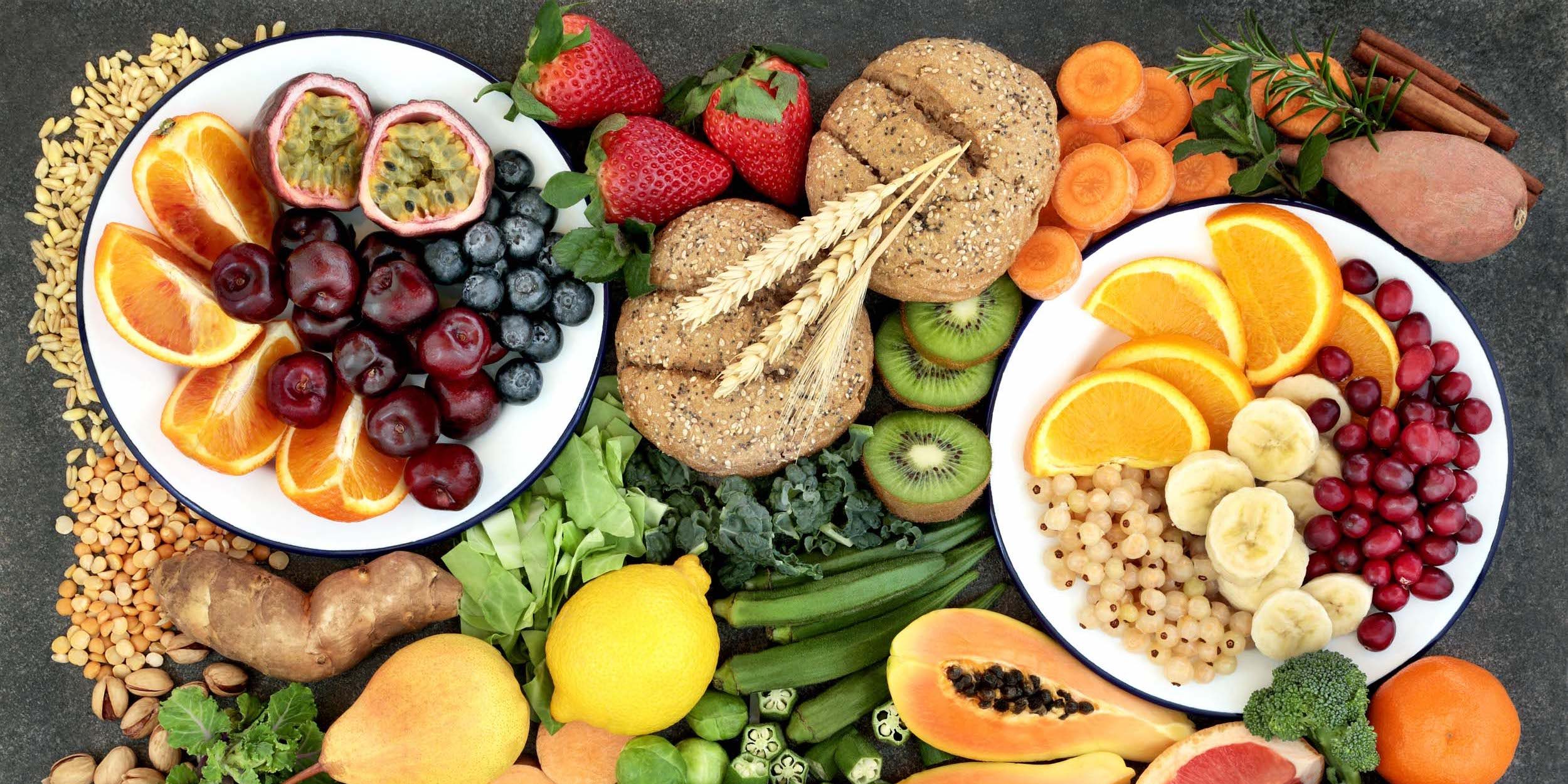
Whole food fibre is found in foods that are as close to their natural state as possible. Think brown rice, wholegrain oats, legumes, fruits, raw nuts and seeds, and vegetables. These foods should be your go-to sources for a naturally high-fibre diet.
What Does 30 Grams of Fibre Look Like?
Getting enough fibre might seem daunting, but it’s easier than you think! Here’s an example of a day’s meals that add up to over 30 grams of fibre:
- Breakfast: 1/2 cup of wholegrain oats with milk plus 1 banana = 6.6 grams of fibre
- Snack: 1 apple and 30 grams of raw nuts = 6.6 grams of fibre
- Lunch: Tuna salad wrap = 5.8 grams of fibre
- Snack: 2 apricots and 4 pieces of dark chocolate = 1.4 grams of fibre
- Dinner: 1/2 cup mashed kumara, 1/4 cup broccoli, 1/4 cup carrot, 1/4 cup cauliflower, and 100 grams of chicken = 10 grams of fibre
Total: 30.4 grams of fibre
Top High-Fibre Foods to Add to Your Shopping List
- Fruits
- Vegetables
- Starchy vegetables like kumara and potato
- Wholegrain foods such as oats, corn, brown rice, quinoa, and millet
- Nuts
- Seeds
- Legumes (beans, chickpeas, lentils)
Stay Hydrated
Remember, when you’re increasing your fibre intake, it’s essential to drink plenty of water. Fibre absorbs water, keeping it in the bowel and helping to keep your bowels moving smoothly. So, make sure to stay hydrated throughout the day.
In conclusion, fibre is an incredible nutrient that offers a wealth of health benefits. By incorporating a variety of fibre-rich foods into your diet, you’ll be well on your way to a healthier, happier you! For more information on fibre, check out this authoritative guide from Harvard T.H. Chan School of Public Health.