The True Cost of Fashion: The Environmental Crisis of the 21st Century

The Dark Side of Fast Fashion
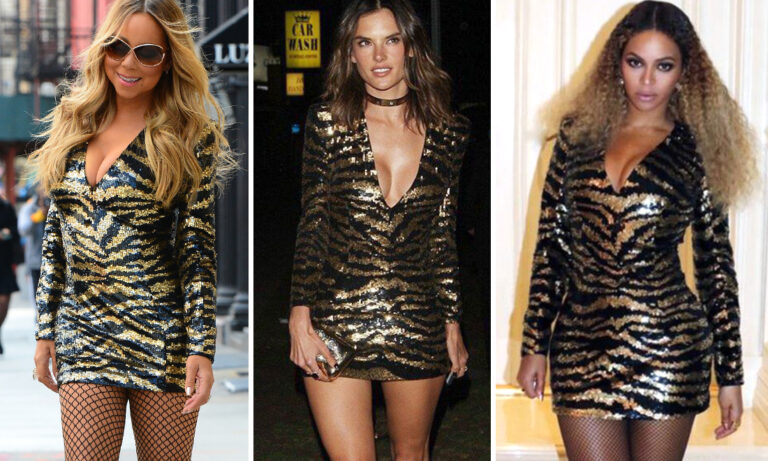
The rise of fast fashion has made trendy clothing accessible to everyone, but at a significant cost. The fashion industry is now the second-largest polluter globally, with its rapid production cycles and synthetic materials generating vast amounts of waste. This environmental crisis is exacerbated by the industry’s focus on cheap, low-quality garments that quickly end up in landfills.
The Fast Fashion Phenomenon
Fast fashion refers to the rapid production of inexpensive clothing by brands that frequently update their collections to reflect the latest trends. This model encourages consumers to buy more, wear less, and discard quickly. The result is a cycle of overconsumption and waste that is unsustainable for our planet.
Environmental Impact: Fashion’s Footprint
Water Consumption
The fashion industry consumes over 93 billion cubic meters of water annually, enough to meet the needs of five million people. Cotton, a primary material in clothing, is particularly water-intensive. Producing just one kilogram of cotton—enough for a single pair of jeans—requires approximately 9,000 liters of water. Additionally, the pesticides and insecticides used in cotton farming contaminate soil and water sources.
Toxic Waste
Only 1% of clothing is recycled, with the rest ending up in landfills. Synthetic materials, which can take up to 200 years to decompose, release methane—a potent greenhouse gas that accelerates global warming. Every second, an entire garbage truck’s worth of textiles is discarded or burned, contributing to the 53 million tons of textile waste generated annually.
Microplastics
Synthetic fabrics like polyester, nylon, and acrylic shed microplastics during washing, which then enter waterways and eventually the ocean. These microplastics are ingested by marine life and can even end up in our food chain. It’s estimated that 35% of the microplastics in the ocean originate from the fashion industry.
Conscious Consumption: How to Make a Difference
Less is More
Opt for fewer, higher-quality pieces that will last multiple seasons. Investing in timeless, durable clothing reduces the need for frequent replacements and minimizes waste.
Natural Materials
Choose clothing made from natural fibers, which are biodegradable and less harmful to the environment. However, be mindful of the resources required to produce materials like cotton.
Recycle and Upcycle
Recycling and upcycling clothing can give old garments new life. Many brands and organizations accept used clothing for recycling, and upcycling allows for creative reuse of materials.
Support Local
Buying locally made clothing reduces the carbon footprint associated with transportation. Supporting local brands also fosters sustainable practices within the community.
Second-Hand Shopping
Thrifting and buying second-hand clothing extend the life cycle of garments and reduce demand for new production. It’s also a great way to find unique, stylish pieces at affordable prices.
Mindful Purchasing
Before making a purchase, ask yourself if you truly need the item. Mindful consumption helps reduce impulse buys and encourages a more sustainable approach to fashion.
Our choices as consumers have a direct impact on the environment. By adopting conscious consumption habits, we can help mitigate the environmental damage caused by the fashion industry and preserve the planet for future generations. For more information on sustainable fashion, visit Vice.