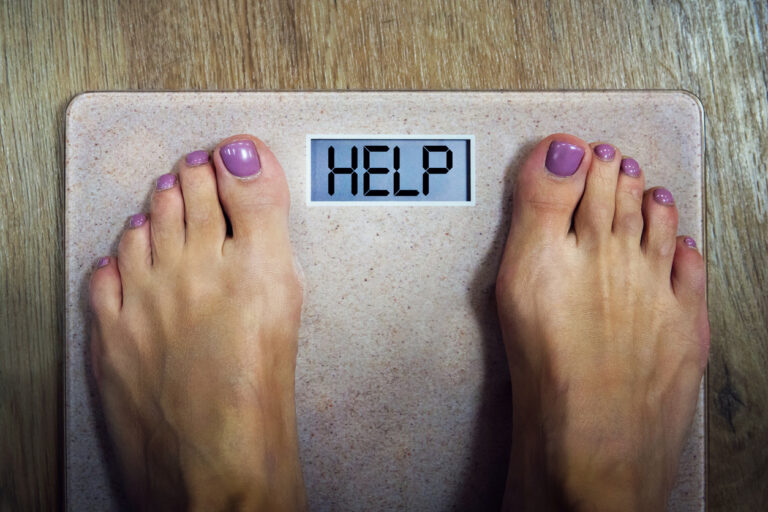
The Hidden Dangers of Your ‘Self-Care’ Diet: A Psychologist’s Insight

The Psychological Impact of Diet Culture
Does this scenario sound familiar? You look in the mirror and feel dissatisfied with what you see. You view your body shape as a problem that needs to be fixed, leading you into a relentless cycle of dieting and guilt. Rocio Rodriguez, a renowned psychologist, author, and specialist in body image and psycho-nutrition, encounters this struggle daily in her practice.
Understanding the Root Cause
The belief that our bodies are problematic stems from the beauty ideals that dominate our society. These ideals, rooted in thinness, are unattainable for most women. Failing to fit this mold leads us to believe that there is something inherently wrong with us, driving us to change our bodies at the cost of our health, finances, and well-being.
Conforming to this ideal is often seen as essential for being desirable, successful, or worthy of love. However, the issue lies not with our bodies but with a society that judges and stigmatizes those who fall outside the norm, conditioning us to believe that we are less valuable without a certain physique.
The Challenge of Recognizing the Real Issue
It is incredibly challenging to realize that the body isn’t the problem that needs to be resolved. We are constantly bombarded with messages that convince us otherwise. Everywhere we look, from advertisements to social media influencers, we see ‘before and after’ transformations, weight-loss injections, and fad diets.
Living in a culture where the desire to lose weight is normalized and socially praised makes it difficult to see that the urge to change our bodies might be a symptom of a deeper struggle. Many behaviors celebrated today could actually be warning signs of an eating disorder.
The Emotional Toll of Dieting
The cycle of restriction, guilt, hunger, binge eating, and further guilt profoundly erodes mental health. Food becomes the absolute focal point of one’s life, leading to obsessive thoughts about what to eat, how much, when, and whether a certain food is ‘allowed’.
This constant vigilance generates high levels of anxiety, stress, and frustration. When a diet is eventually broken (which is inevitable, as the human body is not designed to survive under constant restriction), guilt sets in, triggering a sense of personal failure that severely damages self-esteem. This dynamic can become extremely destructive and limit the life of the person experiencing it.
Breaking Free from the Diet Cycle
Many people, particularly women, seem to be on a permanent diet. The message to them is clear: stop believing that you lack willpower. The fault does not lie with you but with the diets themselves. Diets are not the solution they promise to be; if they truly worked, we wouldn’t feel the need to start a new one every year.
Constant dieting is like being trapped in an invisible prison that robs you of energy, joy, and freedom. Your body does not need to be modified to deserve respect; it is already valuable exactly as it is. True self-care is not about counting calories but about nurturing your body and mind.
Adopting Intuitive Eating Habits
To break free from the diet cycle, it’s essential to adopt more intuitive eating habits. This involves listening to your body’s hunger and fullness cues, eating foods that you enjoy and that make you feel good, and letting go of the guilt associated with eating certain foods.
Intuitive eating is about building a healthy relationship with food, one that is based on trust and respect for your body. It’s about understanding that food is not the enemy but a source of nourishment and pleasure.
Confronting the Fear of Weight Gain
Confronting the fear of gaining weight is a crucial step in this journey. It’s important to understand that weight is just a number and does not define your worth or health. Focusing on how you feel rather than how you look can help shift your perspective.
Remember, the goal is not to achieve a certain body shape or size but to feel good in your body. This involves taking care of your physical health through balanced nutrition and regular physical activity, as well as your mental health through self-compassion and positive self-talk.
Seeking Professional Help
If you find yourself struggling with these issues, it may be helpful to seek professional help. A psychologist or a registered dietitian can provide guidance and support as you work to improve your relationship with food and your body.
For more information, you can visit the National Eating Disorders Association.