The Heart’s Journey: From Ancient Symbolism to Modern Metaphors
The Heart’s Journey: From Ancient Symbolism to Modern Metaphors
In our daily conversations, we often use the word “heart” to express a wide range of emotions and sentiments. This small but mighty organ has become a powerful metaphor in our language, symbolizing love, courage, sadness, and much more. But how did the heart become such a significant symbol in literature and culture? Let’s explore the fascinating journey of the heart’s imagery, from ancient times to the present day.
The Heart in Ancient Greek Philosophy
For the ancient Greeks, the heart did not hold the same importance as it does today. Their society was deeply rooted in the concept of blood—familial blood, blood shed in battle, and sacrificial blood. The more blood involved, the higher the status, the greater the achievements, and the more abundant the offerings to the gods. In Homer’s epics, for instance, the heart is rarely mentioned in connection with emotions. Instead, it is described as a physiological mechanism that beats or stops, is pierced by a spear or arrow, and is even deemed less appetizing than the liver by scavengers.
Plato’s ideas about the dualistic nature of humans, separating the mind and the soul, gradually took root in people’s consciousness. This led to the establishment of the “heart/soul – head/mind” dichotomy. The ancient Greeks viewed the heart as a mere organ, while the soul was considered the center of emotions and intellect.
Viking Valor: The Heart as a Symbol of Strength
The Vikings, on the other hand, believed that the heart held a warrior’s true strength. In their lexicon, there were no expressions like “big heart” or “soft heart”—only “stone heart.” A heart as strong as stone was the ultimate compliment for a Viking, recognizing their prowess and achievements in battle. How different this is from the modern interpretation of a “stone heart,” which we use to describe someone who is cold, ruthless, and unmerciful.
Medieval Romance: The Heart as a Symbol of Love
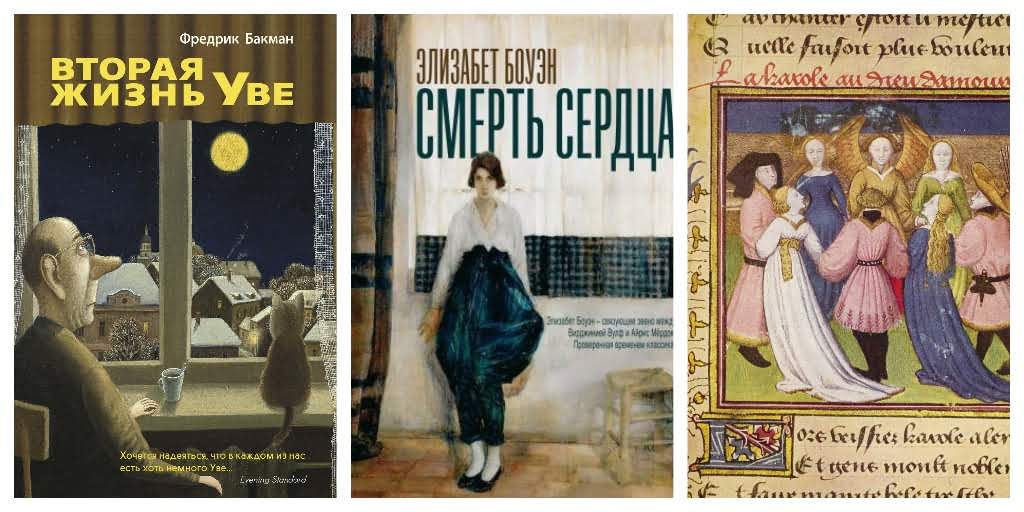
During the Middle Ages, the heart began to take on a new meaning in literature. The concept of the “lady of the heart” emerged—a woman to whom a knight would pledge his service. These relationships were purely platonic, with the knight often admiring his lady from afar, never even touching her. Poetry and songs were exchanged through servants, further emphasizing the heart’s role in love and devotion.
In Romantic literature, the heart became the center of human life. Hearts would ache with love, skip a beat in anticipation, break with sorrow, tremble with joy, and overflow with happiness. Everything related to the relationships between men and women became a matter of the “heart,” a sphere of the irrational and the emotional.
Famous Authors and Their Heartfelt Stories
Many renowned authors have used the heart as a central metaphor in their works. For example, in Fredrik Backman’s “A Man Called Ove,” the protagonist appears to have a “stone heart” at first glance. However, as the story unfolds, we discover that Ove possesses a “big heart,” even if he doesn’t show it to everyone. In the end, Ove’s heart is literally too big, leading to his demise and beautifully merging the metaphorical and medical aspects of the heart.
In Elizabeth Bowen’s “The Death of the Heart,” sixteen-year-old Portia experiences the loss of innocence and youthful hopes in the emotionally cold and detached environment of her guardians. Her sincerity and purity, as well as her first love, are perceived as threats to the stability of their carefully planned, traditional world. Realizing the reality she must face, Portia experiences the “death of the heart,” yet it continues to beat within her chest. How can one live with a “dead heart” inside?
Mikhail Bulgakov’s “Heart of a Dog” is another notable example. In this story, a dog receives a human’s pituitary gland and testicles, transforming into a human-like creature. However, the title suggests that having the right organs is not enough to become truly human. The character’s social immaturity and moral instability prevent him from fully integrating into human society. Some interpret the “heart of a dog” as a metaphor for the immaturity of Soviet society, blindly following even the most tyrannical leaders.
Lastly, we cannot forget the legendary Danko from Maxim Gorky’s “Old Izergil.” Danko tears out his heart to light the way for his people, leading them out of darkness. This act of sacrifice symbolizes the power of love and the pursuit of knowledge. Here, the heart intertwines with both emotions and intellect, as it provides both light (knowledge) and love.
The Heart in Modern Culture
The semantics and imagery of the heart in world culture are immeasurable. The heart is a central theme in novels, cinema, sculpture, and even architecture. When we say “the heart of the city,” we refer to the center where all life’s arteries converge—traders, transport, tourists—the place that gives the city its pulse and vitality. Without a heart, there is no center, and we cannot imagine life any other way.
So, is it worth protecting our hearts? In every sense, yes. We must guard our hearts from becoming callous and from physical ailments like heart attacks. After all, how else will we be able to read and appreciate all the wonderful books that celebrate the heart’s journey?
In conclusion, the heart’s journey from ancient symbolism to modern metaphors is a testament to its enduring significance in literature and culture. As we continue to use the heart as a powerful metaphor in our language, let us also remember to cherish and protect this vital organ that symbolizes our emotions, our love, and our very essence.